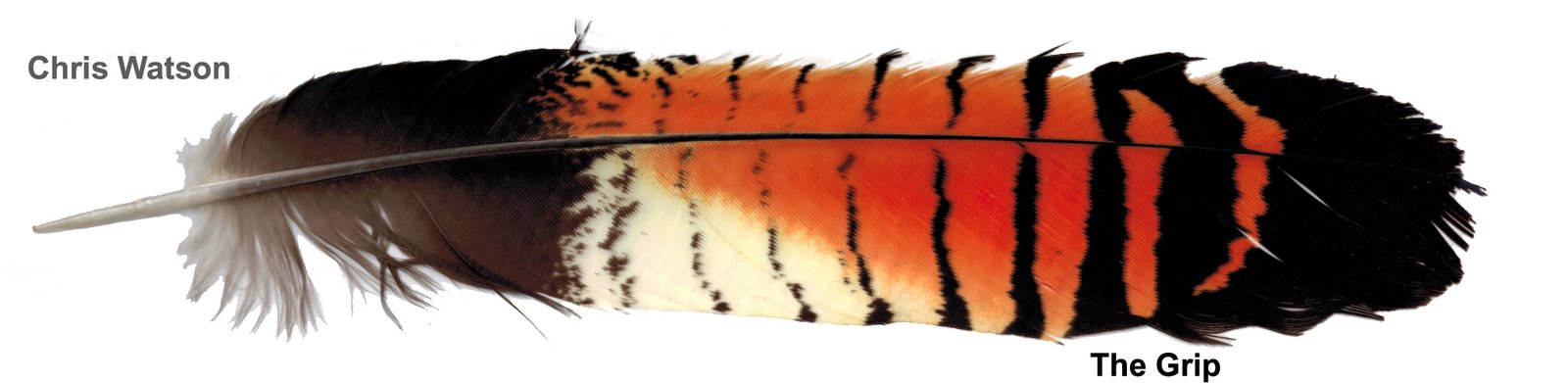
Chris Watson

birds

Flying Dinosaurs: how fearsome reptiles became birds by John Pickrell

ReviewChris Watson

NB: There is an analogue of Godwin’s Law that operates in vertebrate palaeontology. It is enacted whenever someone begins to speak or write about feathered dinosaurs. It states that that person will eventually use a form of the phrase ‘ruffled feathers’. In writing a review of a book that deals, primarily, with our not-entirely-recent knowledge of feathered dinosaurs, it seems particularly pertinent to get this out of the way in case I ruffle some feathers myself. Ruffled feathers. There.

*****

When Jurassic World director Colin Trevorrow decided to go to his Twitter account to say something about the pending fourth instalment of the Jurassic Park franchise, he may not have appreciated how many feathers he would ruffle. More likely though, it was a crudely-veiled marketing ploy and ruffling feathers was precisely his aim.

In a tweet that will live in infamy, on the 21st of March 2013, @colintrevorrow stated simply, “No feathers. #JP4”.  I needn’t go into the myriad reasons this decision was a load of old bollocks, as zoologist, writer and Tetrapod Zoology blog/podcast/conference impresario, Darren Naish covered the “No feathers” tweet nonsense more adeptly in his article for CNN Online, than I could here. But it’s a fitting reminder that the things you see in the media and even in some books, don’t necessarily have anything to do with scientific consensus. Anthropogenic climate change, the theory of evolution, and the living appearance of dinosaurs are just some of the topics that most scientists have reached an agreement on some time ago, but which are apparently still fair game to be drawn before the court of the masses and debated by the uninformed for the consumption of the unaware (to the chagrin of whoever’s left).

Jurassic World's dinosaurs lack authenticity - and feathers - John Pickrell in the SMH

But, unlike climate change and evolution (which I’d go as far as saying are common knowledge), you could be forgiven for not being bang up-to-date with your reading of vertebrate palaeontology over the last 45 years. Unless you foster a particular interest in birds or dinosaurs or both (not unusual), the advances in our understanding of the fossil record and origins of these groups of animals may have slipped past unnoticed. And if you missed this, then the 'Dinosaur Renaissance', in our understanding of how they appeared in life, may have passed you by also. It certainly passed me by. My childhood obsession with dinosaurs in the 1980s was fed by books full of (even then) erroneous depictions of dinosaurs as lumbering, ‘shrink-wrapped’, pachydermic beasts whose extinction, perhaps even without the benefit of hindsight, seemed inevitable.

Artistic Depictions of Dinosaurs Have Undergone Two Revolutions - Darren Naish on his Tetrapod Zoology blog at Scientific American

How handy then, to have a single source, John Pickrell’s Flying Dinosaurs, which offers us the ultimate catch up on modern perceptions of dinosaurs. Released in June 2014, this book takes the reader through the many discoveries of fossilised feathered-things to date. From the first find of Archaeopteryx lithographica in 1861 to the numerous feathered fossils that have been uncovered in China since 1996, we get the story behind each discovery and illumination of their significance to the bigger story… and what a story.

The big news, and the story that Flying Dinosaurs really seeks to tell, is that… [SPOILER ALERT] … dinosaurs never truly went extinct at all and are still among the most commonly encountered animals living among us.

Yes, there was a mass-extinction around 66 million years ago, associated with the massive impact at Chicxulub on the Yucatán Peninsula (and I was warmed to see that Australia's impact crater at Tnorala [Gosse Bluff] near Alice Springs even gets a mention on p. 169). But among the animals that survived the cataclysmic Cretaceous-Palaeogene boundary were the theropod dinosaurs that are the direct ancestors of modern birds; ergo, birds are dinosaurs.

Tnorala - the 142.5 million years old comet impact crater west of Alice Springs, Northern Territory

In fact, this is not particularly new knowledge. The close relationship between birds and dinosaurs was postulated by Thomas Huxley shortly after the first Archaeopteryx discovery in 1861, and it has been the generally accepted consensus that birds descended from some kind of dinosaur since the 1970s. The exact nature of the evolution of flight in birds is still being tossed back and forth between a few schools of thought, but the science of the theropod dinosaur ancestry of modern birds is as settled as it can be.

UK-based zoologist and author Darren Naish does a good line in t-shirt designs spreading the word. All the coolest birders buy them online at the Tet Zoo Red Bubble store - image by Darren Naish

Pickrell writes engagingly about sometimes technical scientific subjects. This won’t surprise anyone who has read his work as editor of Australian Geographic or in numerous other journals and magazines before that. It’s one thing to write well about a topic you understand yourself, but it’s another talent altogether to bring the layperson to a level of understanding that might allow them to enjoy the elegance of hard-won scientific knowledge. Flying Dinosaurs navigates the specialised terminology and mind-bending complexity of phylogenetic systematics (cladistics), without lapsing into unintelligible jargon or languishing too long on esoteric concepts. This is an achievement in itself. In the popular science genre there is a fine line trod between patronising the reader and skimping on crucial facts. While I wouldn’t class myself as a layperson in this field necessarily, I found my own knowledge being constantly revised, updated and deepened.

Flying Dinosaurs does for avian evolution what Carl Sagan’s Cosmos did for cosmology. It takes a large and complex subject and streamlines decades of technical work by specialists in a variety of disciplines into a well-crafted story, more easily comprehended by the rest of us. It loses none of the authority of a peer-reviewed paper as every claim and proposition is referenced. In many ways this is the finished product of science; the field work has been reported on, the technical work completed, the laboratory tests and models confirmed, the knowledge verified and the key conclusions are finally rendered plain for the rest of us to appreciate. Surely there can be no higher aim for science writing, popular or otherwise, than to bring all of us to a higher level of understanding of the nature of our universe and the world we live in.

Flying Dinosaurs certainly delivers on this aim. This is science communication at its best, and deserves to be widely enjoyed.

Flying Dinosaurs is published by Newsouth Publishing

You can follow the author on Twitter @john_pickrell

Buy it from Andrew Isles

Related Links

http://phenomena.nationalgeographic.com/2013/03/20/a-velociraptor-without-feathers-isnt-a-velociraptor/

http://edition.cnn.com/2015/06/11/opinions/naish-jurassic-world-missed-opportunity/

http://blogs.scientificamerican.com/tetrapod-zoology/aristic-depictions-of-dinosaurs-have-undergone-two-revolutions/

http://m.nzherald.co.nz/entertainment/news/article.cfm?c_id=1501119&objectid=10876135
The Princess & Lady Luck

Herping, birding, Tourism, Citizen ScienceChris Watson

“Remember it’s all luck.

… understanding that you can’t truly take credit for your successes, nor truly blame others for their failures will humble you and make you more compassionate.”

Tim Minchin, UWA graduation address, September 2013. Watch the entire thing on Speakola.

Congratulations. Well done. Great work. The sorts of things that birders say to each other all the time. But what do we mean by these things?

I’m just back from co-leading and driving for Mark Carter Birding & Wildlife’s Princess Parrot Expedition into the deserts west of Alice Springs. I’ve driven countless hundreds of thousands of kilometres through these deserts over the years, and I love it. The driving that is. A lot of people see driving as the unfortunate chore that must be endured to get to the places we go to look for birds, but I’ve always found it as much a part of the appeal of birding as the cheese scones and coffee-breaks. Driving, particularly, I would argue, in the desert, is cathartic. It’s great time to ruminate on things. If you’re fortunate enough to have pleasant travelling companions, it is the perfect opportunity to chew over ideas and hear a few stories from other peoples’ lives.

So I got a lot of thinking done on this trip.

The stark honesty of outback road signage.

Mostly, I got to thinking about luck. There’s something in Tim Minchin’s shared nugget of wisdom that I think birders, all of us at one time or another, tend to gloss over. Despite the hackneyed image of the conventional birder as something of a swot – studious, scholarly, minutely researched – there is a central role for luck in the pursuit of wild things. Good fortune, malesh, kismet; call it what you like. It can’t be denied.

Perhaps we tend to put it to one side because when we find a bird, we want to be able to suggest that it was our superior understanding of the bird’s relationship to its habitat that led us to it. Or perhaps it was our peerless vision, knowledge of bird behaviour and plumage characters that enabled us to pick it from a vast flock of similar birds. Without a doubt, that is certainly the case some of the time. Perhaps even most of the time.

There are some species that are site faithful and fussy about the type of habitat they will occupy and foods they will consume. So if you’ve done your reading and have the chops to distinguish healthy habitat from disturbed in the field, then maybe you really can target and track down a bird. If you’ve got the eyes and the experience behind a scope to pick a lone Little Stint from a flock of 10,000 Red-necked Stint, you have my admiration and it would be only a curmudgeonly fool that would deny your skill. But even then… if there isn’t a vagrant Little Stint in the flock you can look all day and see nothing but Red-necked Stint, so there is still an element of luck. We can all agree, however, on the clear difference between that scenario and some duffer walking into his mate’s back yard to stumble on a Forest Wagtail. Whatever that duffer’s knowledge of the species may be, he didn’t truly find the bird did he? If anything, the bird found him; or perhaps they met each other halfway. Such is the nature of many vagrant ‘finds’. While the above scenarios might fairly be described as great finds, the latter is probably more accurately termed a ‘discovery’.

Where does that leave other species that aren’t vagrant, may not even be rare, but are yet nearly impossible to find? Perhaps a species that might be nomadic? What about a species that has a massive possible (or actual) home range that exists entirely within remote and difficult terrain? By now you can see where I’m headed with this.

Just for once, I’m not on about the Night Parrot either. But as you bring it up, it illustrates the point about luck quite neatly doesn’t it? Very few people have had anything but the most profuse praise for John Young’s tenacity, skill, patience, and hard work in tracking down that bird. But in acknowledging that, we also have to acknowledge (and John has said as much in his many talks) that there were numerous strokes of luck along his journey of discovery as well – feathers on the wire, the dead specimens, being in the right spot to hear and record that historic first call. It’s the ultimate intersection of skill and good fortune.

But the other side of that coin is just as undeniable. There were several, if not dozens, of similarly talented, highly skilled and educated researchers, bushmen and ornithologists out in the field and poring over maps and papers at home or in museums and laboratories, across the outback and around the country, looking for the Night Parrot and what did they come up with?

Zero. The centre of a doughnut.

"There's no grip here; just a dip that'll make you wish you were born a herper."

Are they all just hacks and duffers? All of them? Surely not. In fact, among them are some of our most senior arid-zone ecologists, including some who are now in the thick of it, participating in the ongoing research into that species. Despite all their experience, study, bushcraft and years spent scouring the bush, they just didn’t have luck on their side.

But before we disappear up our own fundaments in a maelstrom of epistemology, there's a piece of wisdom that Mr. Minchin failed to pass on. For every neat aphorism there is an equally tidy and contradictory platitude. Some of you will already have thought of a pertinent one here. You make your own luck. Yes indeed. Through hard work, diligent study, astute networking and imaginative connection of apparently disparate data, you may increase the likelihood of success in various endeavours. But, again, we’ve covered this. Life isn’t fair. History is filled with talented, hard-working, deserving people who had all the facts and still just missed out.

So we have to acknowledge the role of luck in our successes and our failures.

This is a concept we need to popularise in birding. Despite the swaggerish title of this blog, anyone who has met me will vouch that it was chosen in the most ironic spirit of self-deprecation. The whole idea of the birding grip off is, I hope, clearly farcical and best reserved for use only amongst the very best of friends. You can scour your Dolby & Clarke and pick apart your Thomas & Thomas but in the end, with a nod to the caveats discussed earlier about identification of healthy habitat and the like, finding birds has as much to do with good fortune as your knowledge of the field guide. If you’re prepared to contest this, you should take care; you may be leaving yourself wide open to public ridicule every time you dip. And there will be many dips. Oh yes. There will be dips.

A natural born Dipper.

What has any of this got to do with Princess Parrots, I hear you ask? I’m glad you brought it up. My central thesis is this: nobody finds Princess Parrots.

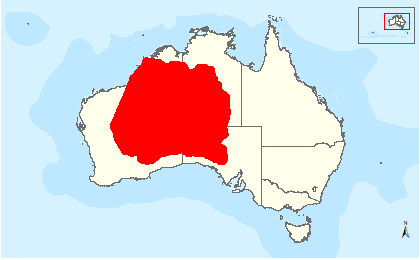
The distribution map for Princess Parrot from the Department of the Environment. Easy, just look in the red bit right?

The distribution map for Princess Parrot from the Department of the Environment. Easy, just look in the red bit right?

There’s a pernicious rumour that the Princess Parrot falls into that class of birds that, with the right knowledge, equipment and your jaw set at the right angle to depict heroic and imperturbable single-mindedness, you may go forth into the wilderness and find. Furthermore, there is a wild fantasy harboured by some in our midst, that one can just nip out to Neale Junction or Jupiter Well and catch them dozing in the Desert Oaks. It's a simplistic 'just add water' approach to arid land birding. To the more sober among you, this is as ludicrous as it sounds. Nonetheless, I feel I would be remiss if I didn’t attempt to disabuse you of this illusion.

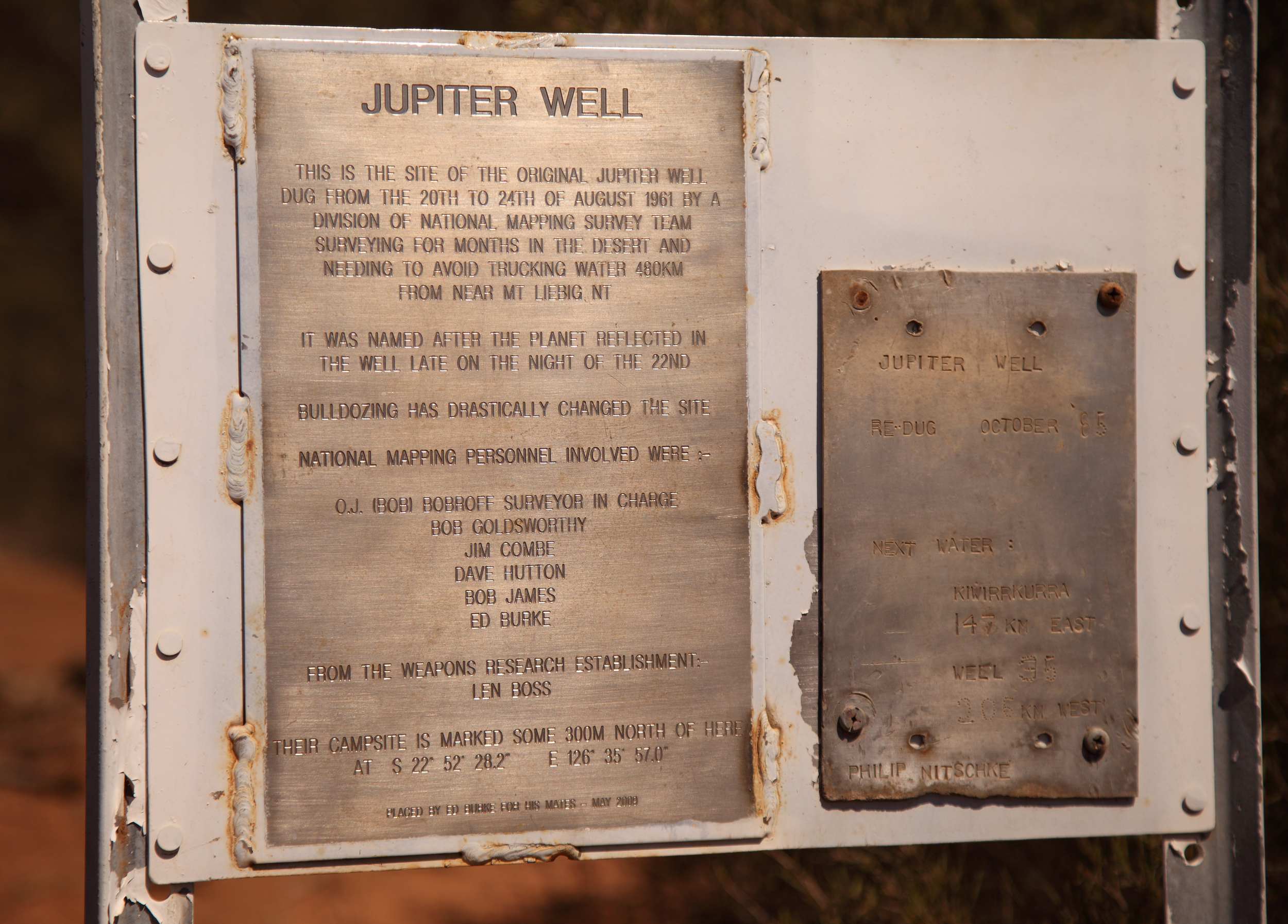
As I wrote earlier, I recently ‘nipped out’ to Jupiter Well with Mark Carter and a small party of Australian listing heavy-hitters to give them a chance at ticking off this Australian-breeding mega. Truman Capote once wrote that, “…failure is the condiment that gives success its flavour”. If that’s so, then this was a tasty trip, and not just because of Mark’s form at the camp oven. (The man lived two years in North Africa and evidently picked up a thing or two about knocking together a fierce lamb tagine.) The abridged version: in 7 days ex-Alice Springs, spent fudding about Jupiter Well, Lake Mackay and parts west, we didn’t see a single Princess.

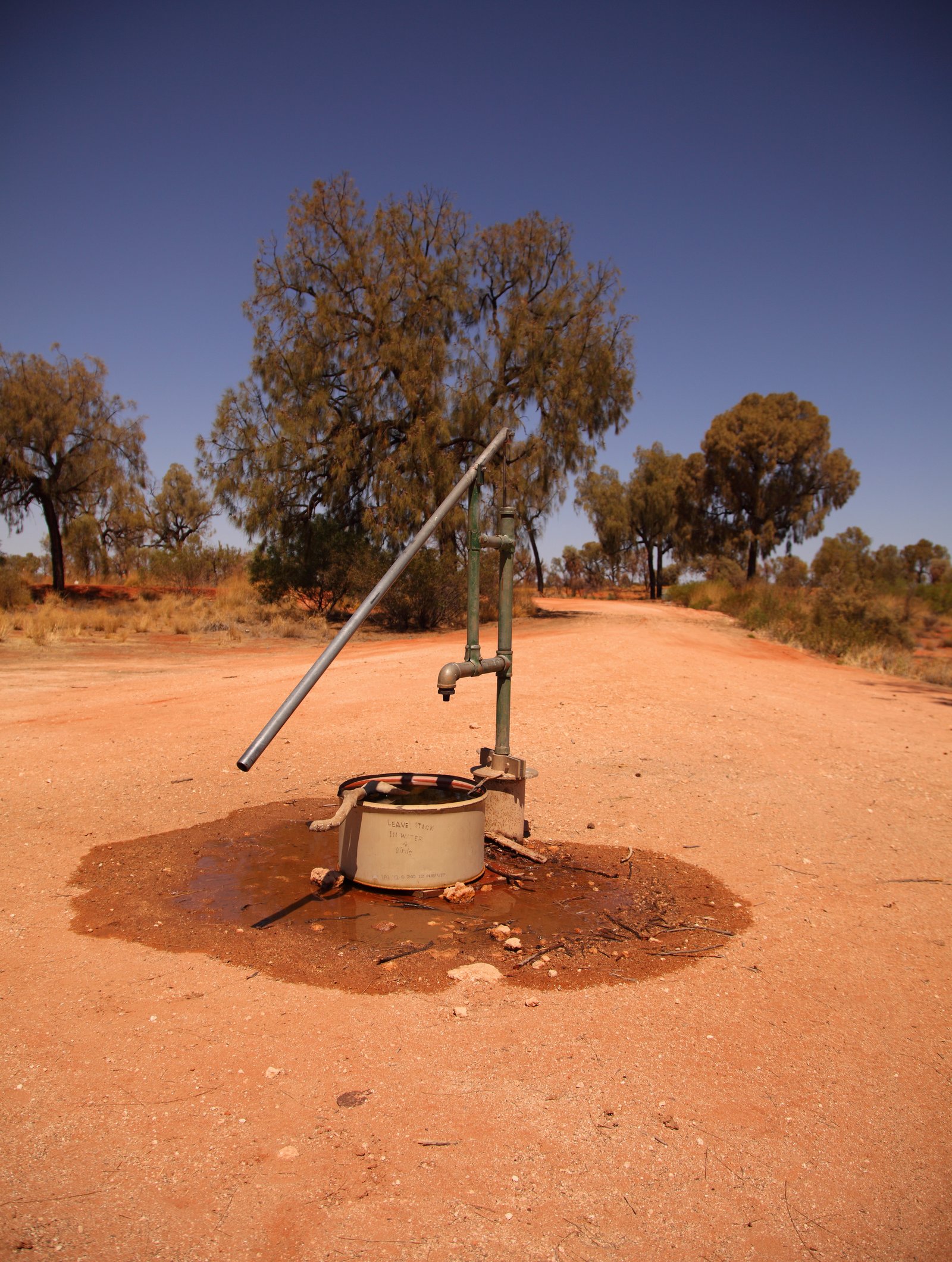
The trip was meticulously planned. As the mad bastard who conceived of this trip in the first place, all credit for that planning has to go to Mark. We received exceptional permits to camp in the region and head off-track to get up to Lake Mumu (freshwater) and Lake Mackay (salt and at the time, dry). These permits were a critical difference between this trip and most other visits to the area, and took a good deal of organising. A transit permit is required to traverse the Gary Junction Road, but this is precisely as it sounds – a permit to pass along the road corridor and nothing else. Technically, stopping for anything other than answering the call of nature is against the conditions of the permit. Certainly it doesn’t permit camping anywhere along the road. So, the Gary Junction Road transit permit limits you to a single crack at Princess Parrots in the vicinity of Jupiter Well, then you have to continue on your way.

We also had permission to head off the Gary Junction Road to investigate the localities of other recent sightings of the species, away from Jupiter Well. The most recent sighting that we were aware of was Richard Waring’s encounter with 19 birds on the Gary Junction Road near Walangurru (Kintore, NT) in April 2015.

Other than that, there really wasn’t a lot more to go on. It was a bold move by Mark to put on a trip seeking such a notoriously unreliable bird. Everyone on both sides of wildlife tourism knows full well that there are never guarantees, but from the guide’s perspective there is still an immense amount of pressure and a deep sense of obligation to show people everything they hope to see.

From fairly early on in the trip it was clear that conditions were dryer than we had anticipated. Insectivores were everywhere. We saw some very large mixed flocks of Masked and White-browed Woodswallow in association with a moth emergence. In the same area we were counting White-winged Triller by the hundred as they passed through following abundant swarms of insects. We saw groups of Varied Sittella, usually a very unreliable bird in Central Australia, at almost every place we stopped to bird. But granivores were all but absent. A few Zebra Finch flitted here and there if water was at hand, the occasional small mob of Budgerigar ripped through overhead, but that was about all we saw from the seed-eating guild.

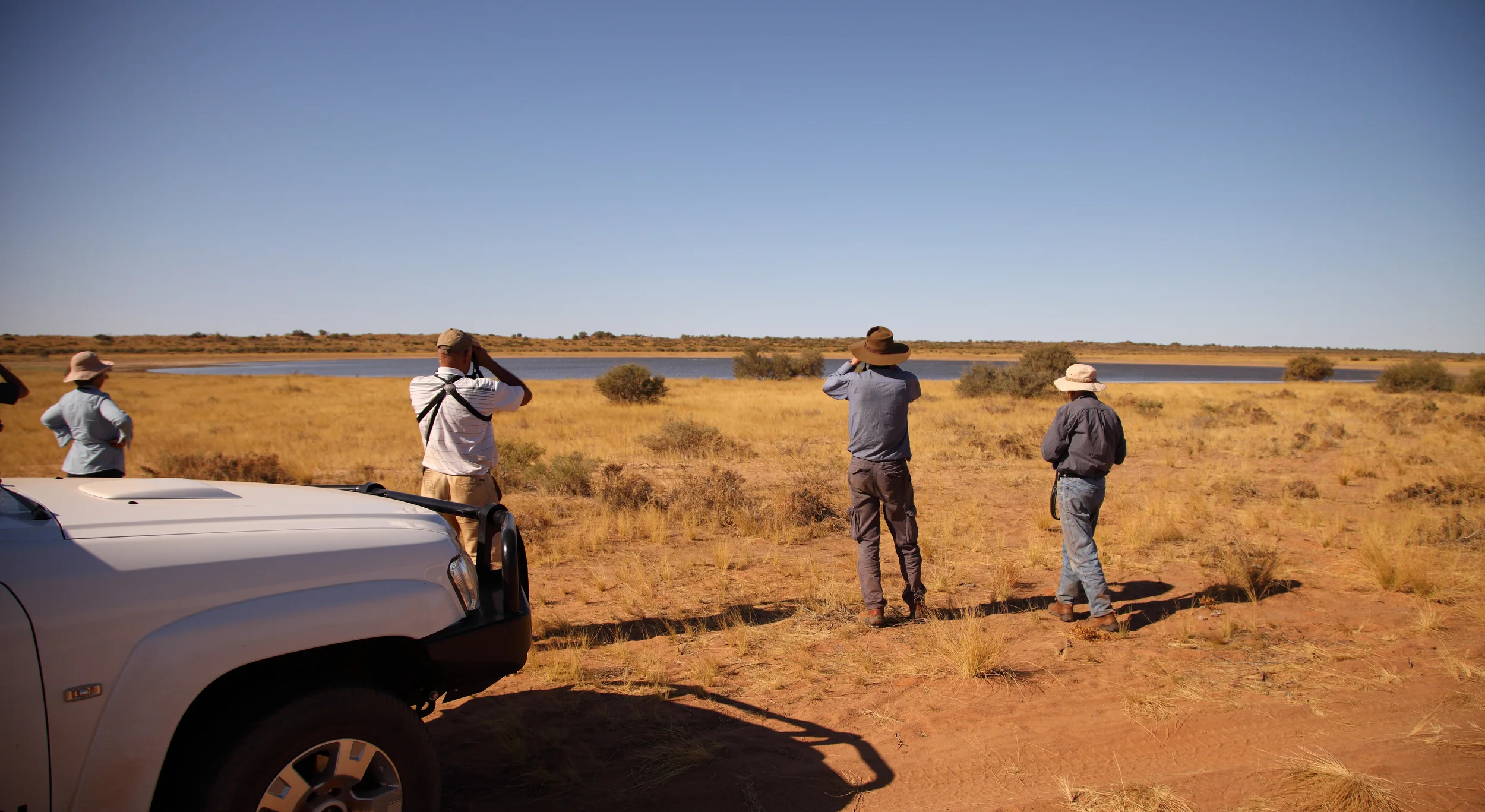
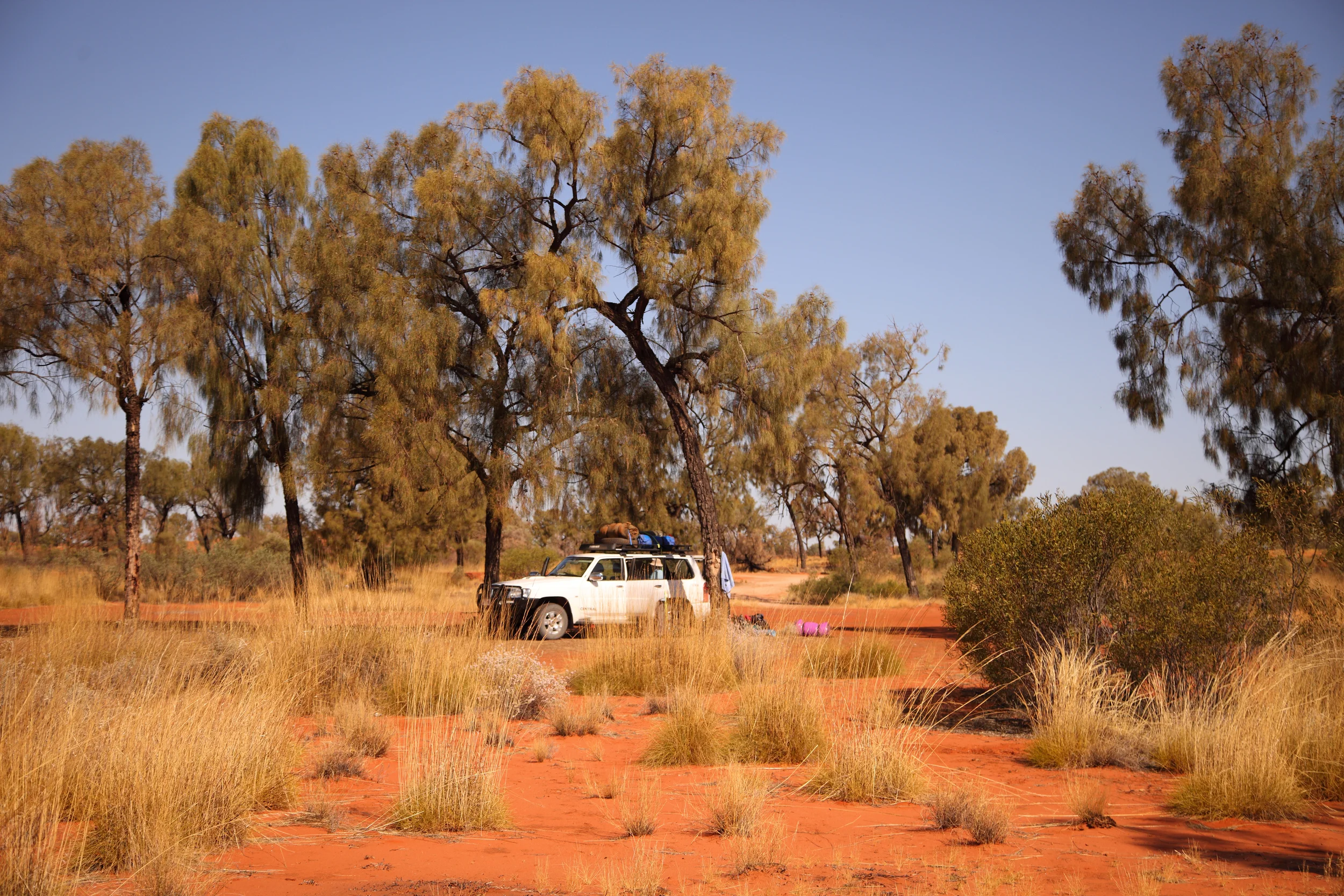
Despite passing through some of the most extraordinarily well-managed spinifex sandplain that Mark or myself had ever seen, there was just nothing eating seed. It didn’t bode well for parrots. The mornings and late afternoons were spent at listening posts hoping to pick up the distinctive sounds of The Princess, or slow-cruising tracks interrogating every Desert Oak and Bloodwood. During the warmer part of the day we covered more distance and investigated a few different habitats. We walked some dune fields, checked out leaky water tanks and open water sources and scoured the horizon until we went cross-eyed. If there were Princess Parrots in the area, I’m confident we would have seen something. With so much time in the area, with so many pairs of eyes and ears set to the task – we’d have seen them if they were there. My own feeling is that they just weren’t in the area.

So to the painfully obvious question – where are they?

If they were out there, they certainly weren't showing themselves.

If anybody knows, they aren’t saying. If you look on a map you’ll see that Jupiter Well and Neale Junction, the two most routinely cited ‘occasionally reliable’ locales for the bird, are not actually that far to go. The usual precautions for remote travel in desert regions apply, but with the right car, communications gear and the right attitude you actually almost can ‘nip out’ from Alice Springs to Jupiter Well. It’s really only one big day of driving to get out there (and a similar trip from Kalgoorlie to Neale Junction in WA). It’s by no means a doddle but it’s within the capabilities of any birder with outback driving experience. If there were birds out at Jupiter Well with anything approaching the reliability that the birding grapevine might suggest, there would be carloads of birders departing Alice Springs every single weekend. The fact that there isn’t, says everything we need to know.

It’s no exaggeration to say that, with the wild ecology of the Night Parrot all but ‘in the bag’ thanks to John Young and the ongoing research being conducted by the team at “The Queensland Site”, the movements of the Princess Parrot is a strong contender for the title of Australian ornithology’s new holy grail. How you go about researching a bird that moves with apparent ease across such a large chunk of the continent will be decided by someone smarter than me, but if I had to guess I suspect it’ll come down to another John Young-style effort. There are few hi-tech approaches that seem likely to yield results. An individual or small team driving the country confirming presence or absence at various points and making feeding and breeding observations seems as good an approach as any. The literature on the species is sparse and we can only hope that an individual or institution will step up soon to fill in the blanks.

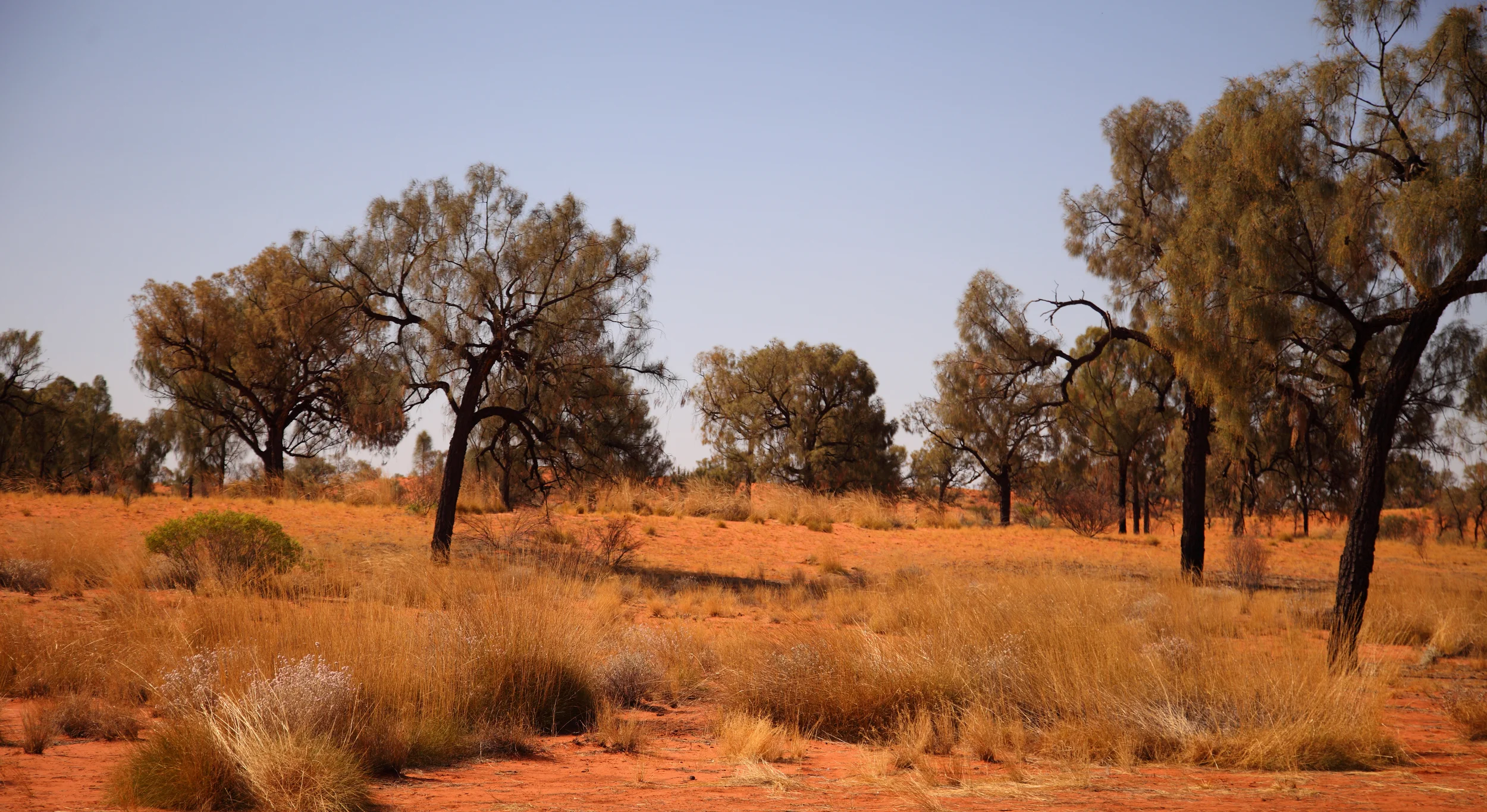
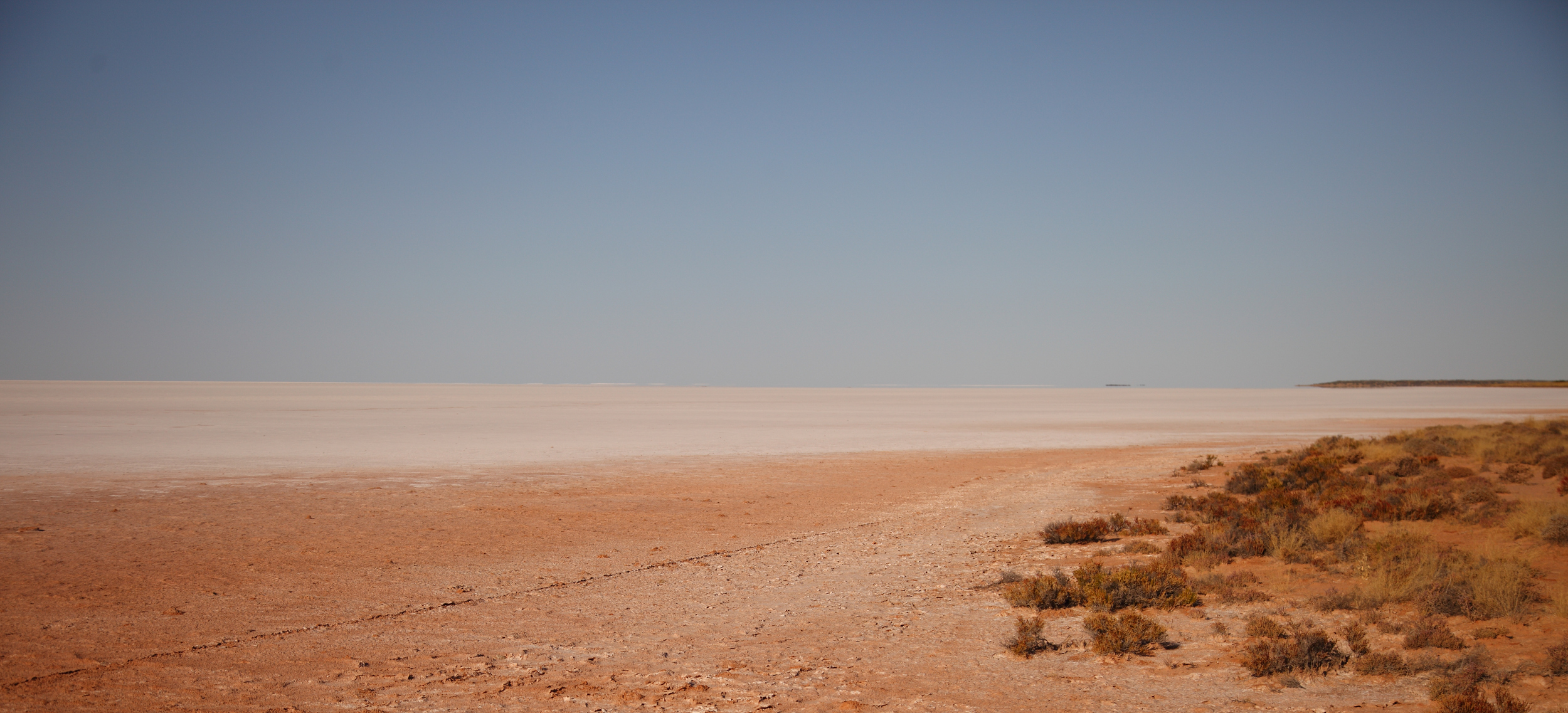
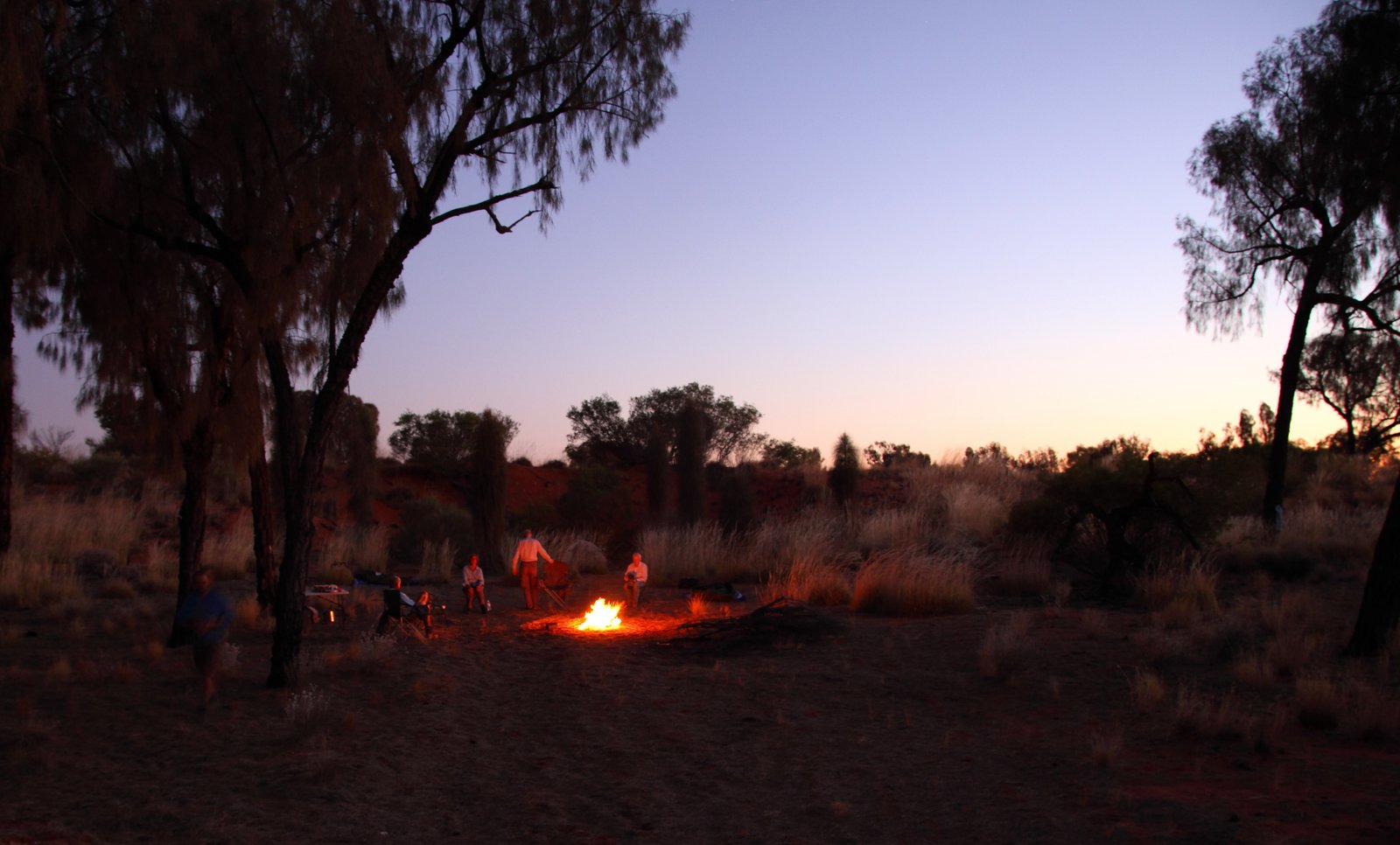
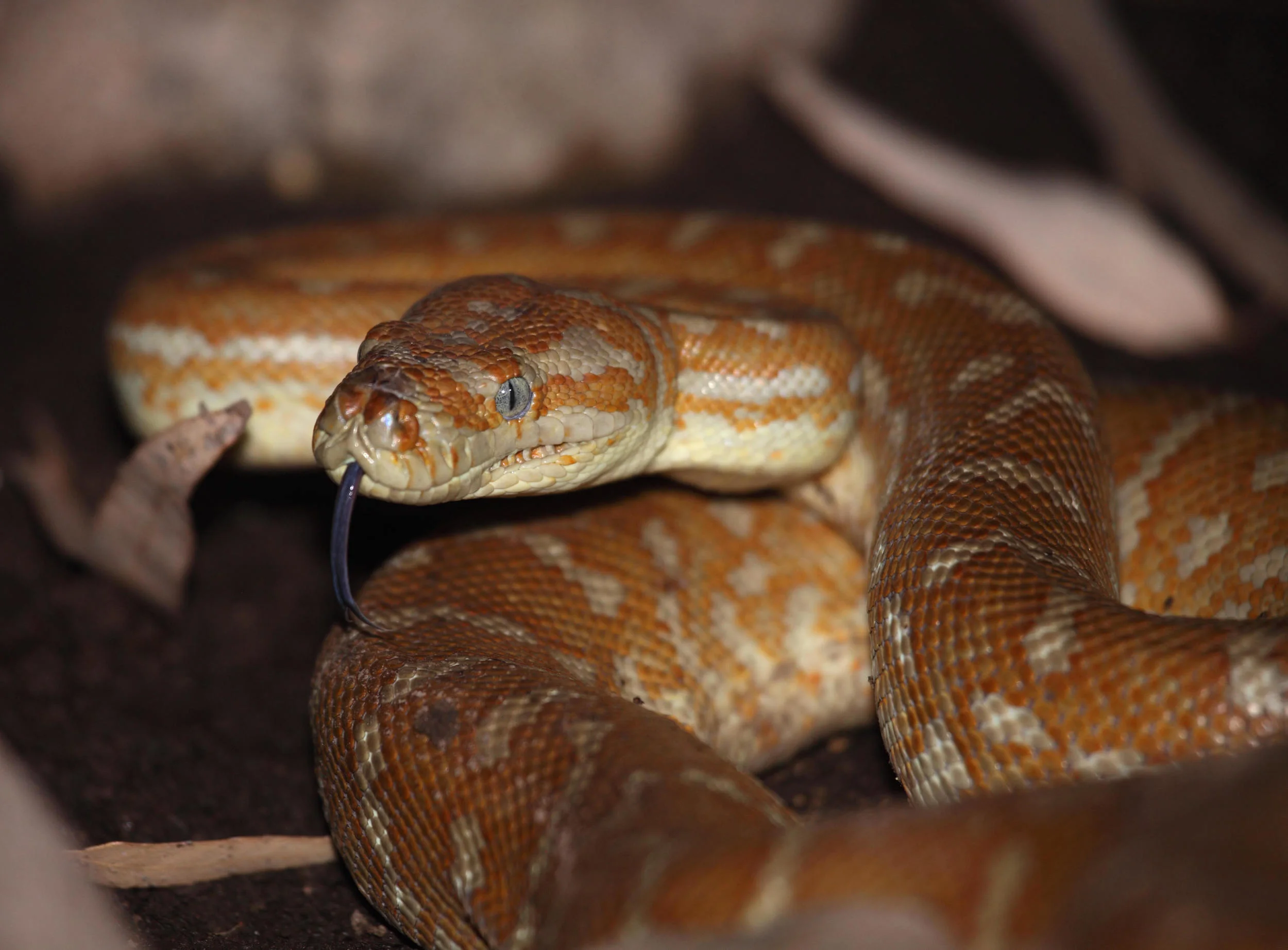
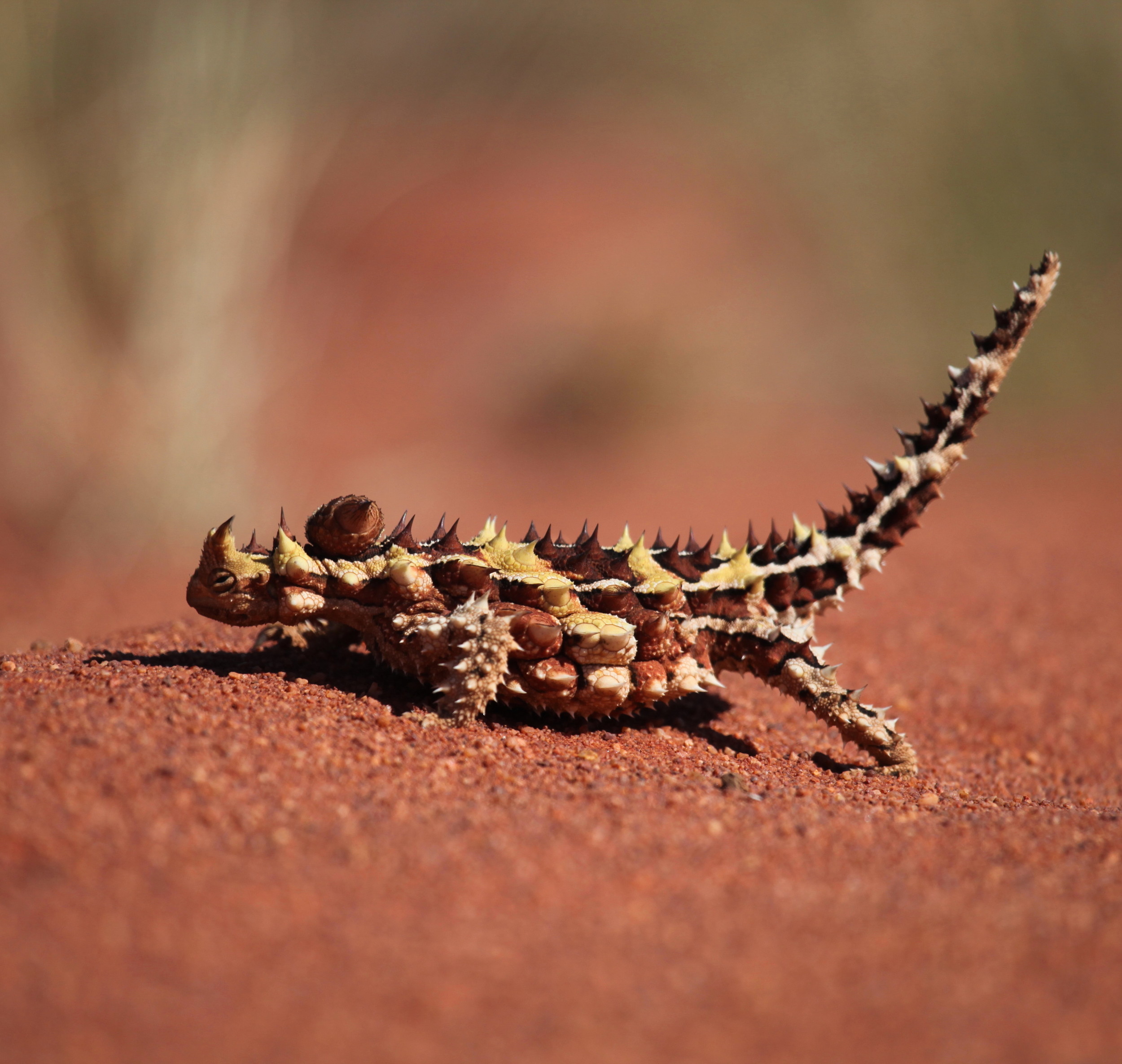
So we missed The Princess, but as Jack Black’s character in The Big Year says at the end of the eponymous travails, “…we got more. More… everything”. It was extraordinary and life-affirming just to be out there amongst it. It’s a very new-age, Dennis Denuto sort of sentiment, but it really is the vibe of the thing. Setting off into the desert on a wildly ambitious adventure of pure discovery, could hardly have been more exciting and the results more edifying. Only the cold and dead of heart could have felt otherwise. We saw parts of the desert that even seasoned travellers of the arid lands have never visited. We slept in the soft sand amid whispering Desert Oaks – the wind harps of the Western Desert. We spent perfect, still mornings birding among thronging flocks of feeding woodswallows, chats, and trillers. We saw Brolga reflected in the disc of a freshwater lake between red sand dunes with the sun setting on our backs. We stood on the shores of Lake Mackay, an expanse of salt rivalled in size by few others on the continent and seen by few non-indigenous visitors since the days of Warburton, Giles and Beadell. We tracked the wanderings of innumerable nocturnal mammals across the sand in the crisp mornings. We encountered iconic desert wildlife like Thorny Devil and the endangered Centralian Carpet Python.

Atop all of this, during a fairly dry and quiet period in the desert life-cycle, we still managed to see more than 100 species of bird including cripplers like Banded Whiteface, Sandhill Grasswren, Chiming Wedgebill, Crimson and Orange Chats, Painted Finch, and Major Mitchell’s Cockatoo.

It’s a big list, with a lot more than just a parrot-shaped hole.  

It’s a list to be proud of, despite the parrot-shaped hole.

*****


A short, meandering postscript. In seven days of driving there are a lot more thoughts that can be neatly summarised in just a few hundred words.

As well as the nature of luck and its relationship with birding, another common topic of energetic conversation in my car was the obvious, but rarely mentioned, relationship between scientific discovery and commerce. Exploration has often been funded by wealthy benefactors or sponsors. Increasingly, we can cast wildlife-seeking tourists in this role without fear of overstating things.

There was a time, not all that long ago, when pelagic trips leaving Australian shores were a pretty specialised and exceptional event. In recent decades this has been changing gradually and now there is barely a weekend that goes by without pelagic trip reports from one or more trips reaching our inboxes. While these trips are still mostly costed so they reach the break-even point rather than generating serious profit, it is the patronage of birding tourists that keeps them going. Our understanding of seabird diversity in Australian waters has increased along with the frequency of pelagic birding trips. Anyone who has been on these trips can attest that the organiser/leader is usually someone with a deep knowledge of pelagic wildlife and a keen interest in the collection of data. This is as clear an example as you could want of tourism directly providing the means for data collection and scientific research. We pay to get out to the shelf and see some albatross and petrels and an inquiring mind is provided with the means to get into the field and access the populations they need to observe and sample to further our collective understanding. It’s a beautiful thing.

It’s not limited to pelagics either. Anyone who has birded in Africa or Central or South America is likely to have encountered numerous examples of local communities supplementing (and even replacing altogether) sometimes destructive subsistence industries with the income provided by wildlife tourists to see preserved habitat and the specials animals within it. Angel Paz and his extraordinary knack for habituating various species of Ecuadorian antpitta, springs immediately to mind. Whatever your stance on feeding wild birds, Angel has become deservedly famous for rendering once near-invisible birds, accessible and easily-viewed for paying visitors to his cloud-forest reserve, which may otherwise have been levelled long ago for crop-farming. How would you go about seeing lekking Andean Cock-of-the-Rock if it weren’t for the numerous protected stake-outs of known lekking sites for this astonishing species?

It’d be good to see an elevated and enlightened discourse develop around professional bird and wildlife guiding in Australia. Professional bird guides in Australia have often been on the receiving end of some fairly thoughtless and small-minded criticism in the past. This is by no means prevalent, but common enough to be troubling. Just as pelagic trips have drawn back the curtain on pelagic wildlife in Australian waters, there are a number of exceptionally talented and highly-skilled individuals who have been doing the same on terra firma.

Whether it's pelagics on the blue paddock or expeditions inland, someone has to go looking or we never learn anything.

Particularly to those who have pioneered the difficult business of inland birding, we owe a great deal of thanks. The birds are hard and the country even harder but the rewards are obvious. It’s a staggeringly large continent that we live on and there are still many, many blanks on the map. Mark Carter is by no means the only guide offering birding trips in our vast deserts, but it took chutzpah to take on a bird like the Princess Parrot – the sort of chutzpah that will inevitably pay dividends. Diamonds owe their value to their scarcity and this is just as true for birds like this. An encounter with the bird is priceless, but even to search for it brings ineffable rewards. If I had my way, Mark would be rewarded with a flood of inquiries for subsequent trips. Trips like this are the beginning of understanding. In an age where dedicated research funding is as elusive as some of the animals it might be spent studying, citizen science and tourist-funded expeditions are where we will get our baseline data.

SPECIAL THANKS

No expedition of this nature comes together without help from many quarters. The country we visited looked fantastic and credit must go to Traditional Owners and ranger groups for their efforts managing this large area. The country is administered by the Ngaanyatjarra Council and their staff were helpful at every step of the permit application process. The wonderful folks running the store at Kiwirrkurra were always smiling and welcome, despite our regular demands for fuel and service at irregular times - thanks a million, you should all know how important you are to regional tourism. And the same goes to the friendly folks at the store at Watiyawanu (Mt. Leibig).

Thank you all - your blood's worth bottling. 

Species Lists

Birds (in roughly the order seen)

  1. Magpie-lark
  2. Galah
  3. Spiny-cheeked Honeyeater
  4. Little Crow
  5. Black-faced Cuckooshrike
  6. White-plumed Honeyeater
  7. Yellow-throated Miner
  8. Willie Wagtail
  9. Pied Butcherbird
  10. Zebra Finch
  11. Black Kite
  12. Black-breasted Buzzard
  13. Whistling Kite
  14. Rock Dove
  15. Australian Ringneck
  16. Crested Pigeon
  17. Singing Honeyeater
  18. White-winged Triller
  19. Peregrine Falcon
  20. Brown Falcon
  21. Collared Sparrowhawk
  22. Black-faced Woodswallow
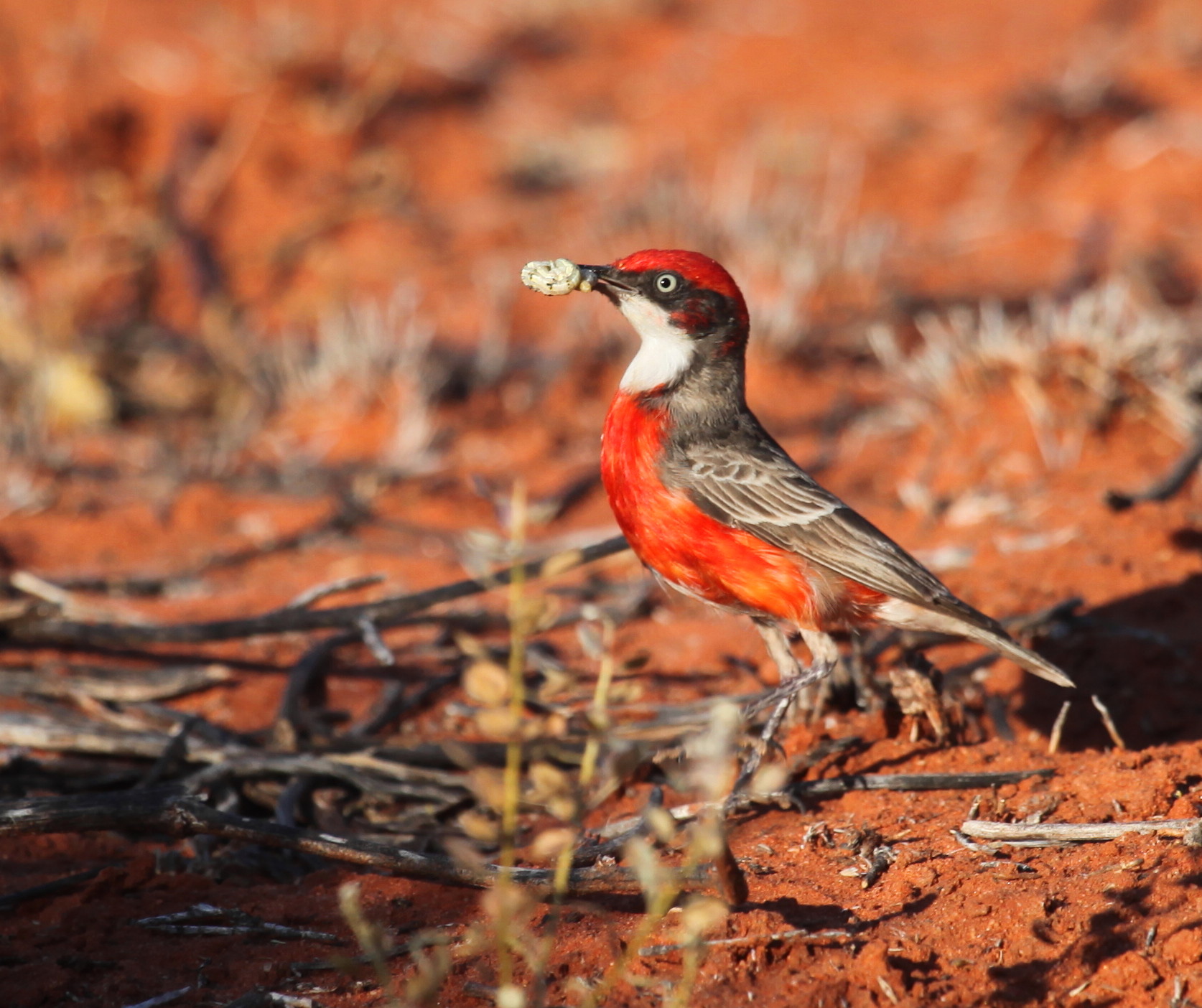
  23. Crimson Chat
  24. Black-chinned Honeyeater
  25. Grey-headed Honeyeater
  26. Australian Hobby
  27. Western Gerygone
  28. Red-backed Kingfisher
  29. Rainbow Bee-eater
  30. Australian Magpie
  31. Crested Bellbird
  32. Rufous Whistler
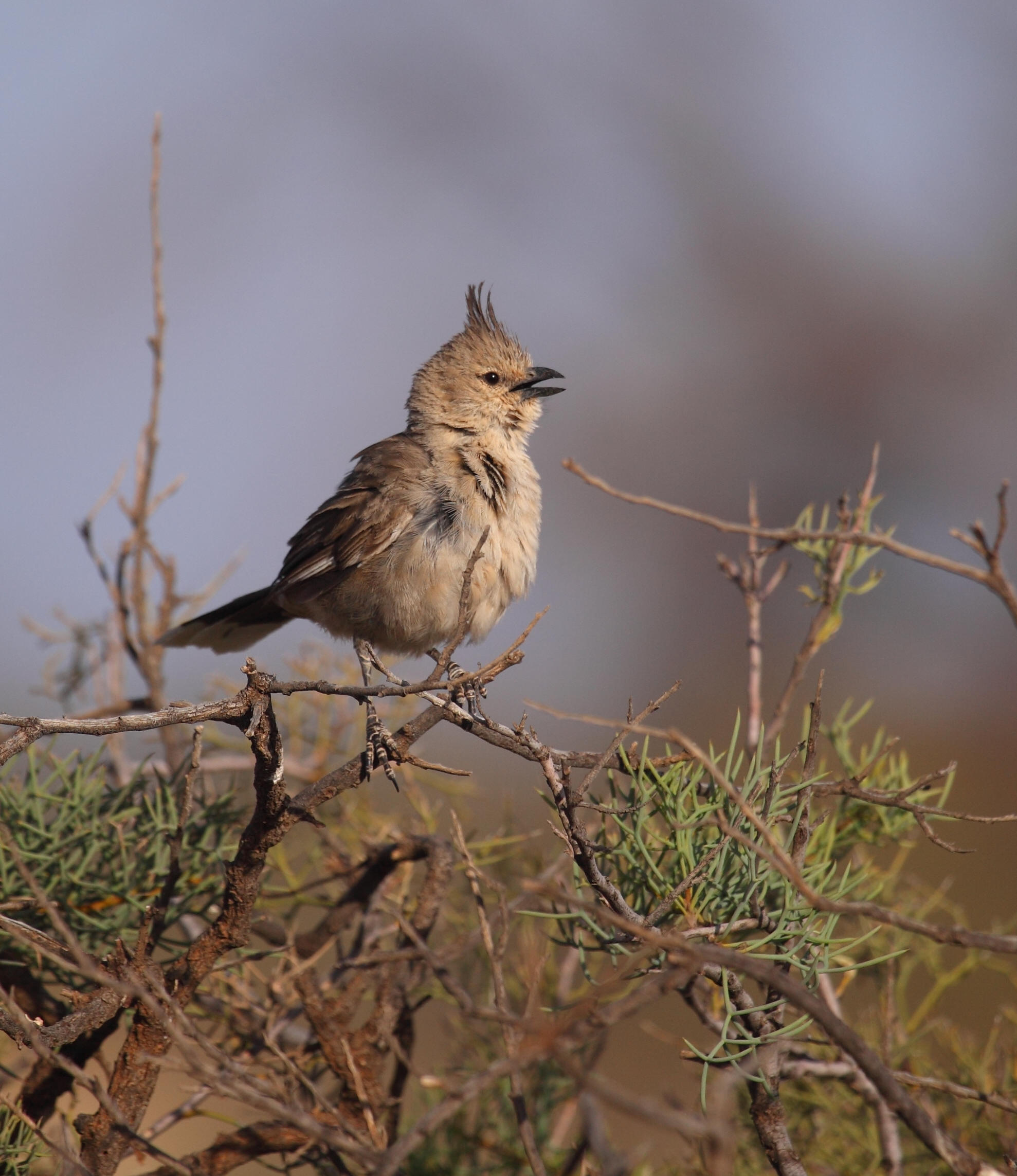
  33. Chiming Wedgebill
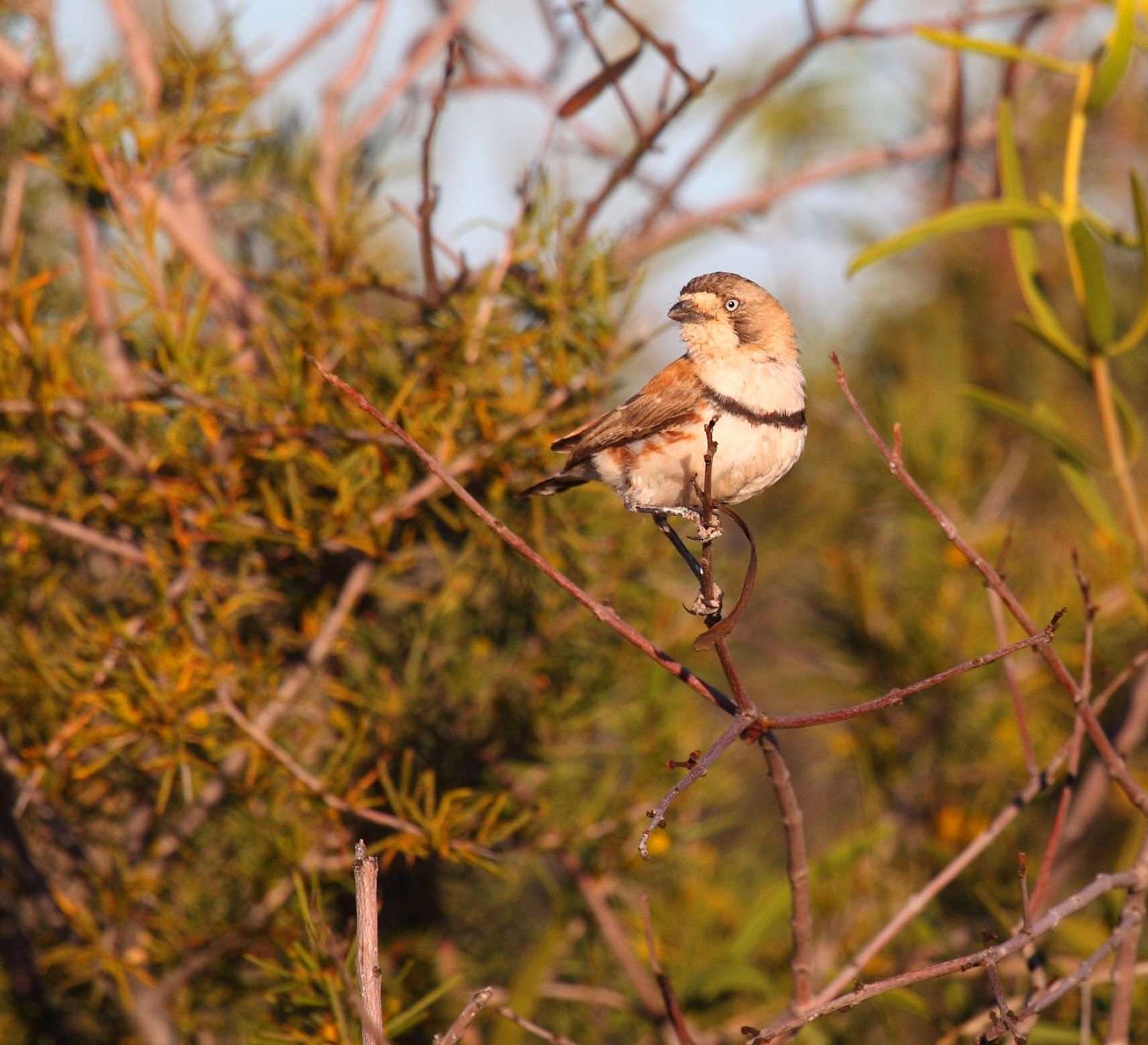
  34. Banded Whiteface
  35. Australasian Pipit
  36. Red-browed Pardalote
  37. Little Button-quail
  38. Variegated Fairy-wren
  39. Australian Bustard
  40. Striated Pardalote
  41. Black-shouldered Kite
  42. Budgerigar
  43. Varied Sittella
  44. Rufous Songlark
  45. Weebill
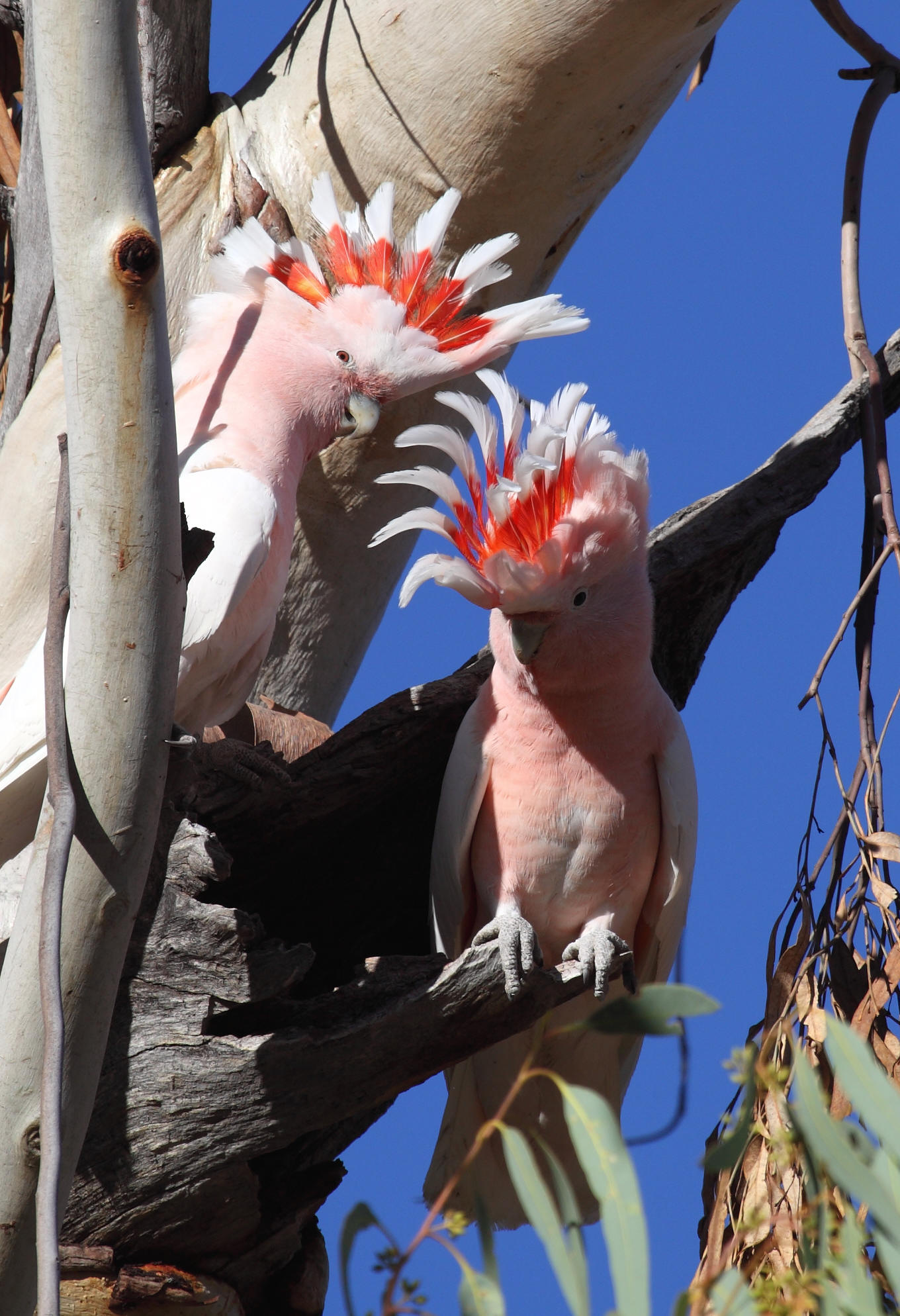
  46. Major Mitchell's Cockatoo
  47. White-backed Swallow
  48. Masked Woodswallow
  49. White-browed Woodswallow
  50. Diamond Dove
  51. White-necked Heron
  52. Mistletoebird
  53. White-fronted Honeyeater
  54. Black Honeyeater
  55. Little Eagle
  56. Brolga
  57. Red-necked Avocet
  58. Sharp-tailed Sandpiper
  59. Orange Chat
  60. White-winged Fairy-wren
  61. Sandhill Grasswren
  62. Brown Goshawk
  63. Red-capped Plover
  64. Nankeen Kestrel
  65. Spotted Harrier
  66. White-faced Heron
  67. Australian Reed Warbler
  68. Black-fronted Dotterel
  69. Grey Teal
  70. Wedge-tailed Eagle
  71. Great Egret
  72. Tree Martin
  73. Ground Cuckooshrike
  74. Hooded Robin
  75. Little Grassbird
  76. Hoary-headed Grebe
  77. Australasian Grebe
  78. Tawny Frogmouth
  79. Little Pied Cormorant
  80. Australian Spotted Crake
  81. Australasian Swamphen
  82. Southern Boobook
  83. Eurasian Coot
  84. Southern Whiteface
  85. Grey-crowned Babbler
  86. Yellow-rumped Thornbill
  87. Mulga Parrot
  88. Pink-eared Duck
  89. Grey Shrike-thrush
  90. Dusky Grasswren
  91. Painted Finch
  92. Western Bowerbird
  93. Inland Thornbill
  94. Slaty-backed Thornbill
  95. Red-capped Robin
  96. Splendid Fairy-wren
  97. Spinifex Pigeon
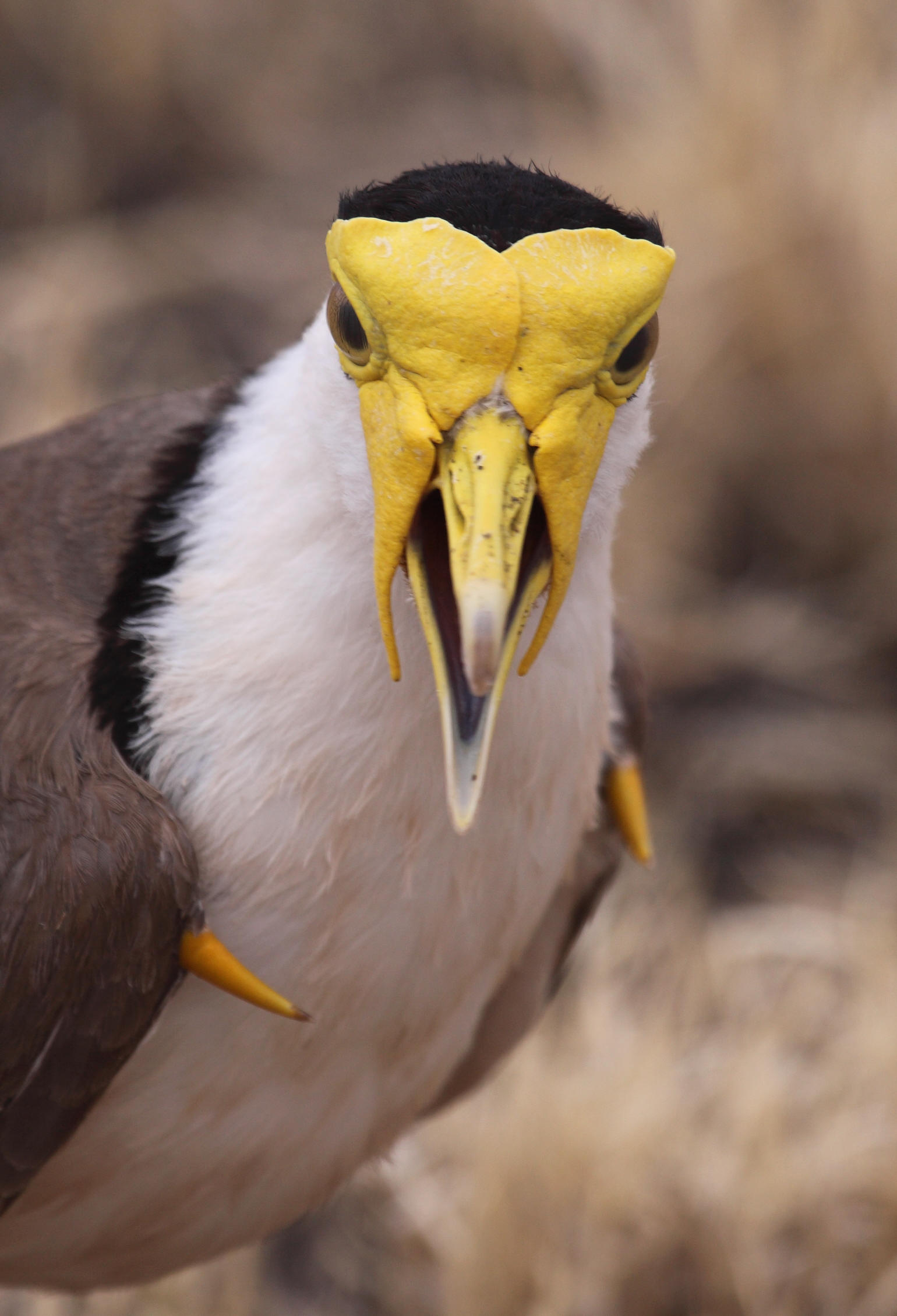
  98. Masked Lapwing
  99. Australian Owlet-nightjar
  100. Sacred Kingfisher
  101. Brown Honeyeater
  102. Little Woodswallow
  103. Grey Fantail
  104. Fairy Martin

Reptiles

  1. Gehyra purpurascens
  2. Bynoe's Gecko
  3. Sand-plain Gecko
  4. Carlia triacantha
  5. Blue-tailed Ctenotus
  6. Centralian Blue-tongue
  7. Long-nosed Dragon
  8. Central Military Dragon
  9. Central Netted Dragon
  10. Thorny Devil
  11. Central Bearded Dragon
  12. Spiny-tailed Monitor
  13. Pygmy Desert Monitor
  14. Gould's Sand Monitor
  15. Centralian Carpet Python

Review: Birds & Animals of Australia's Top End - Darwin, Kakadu, Katherine and Kununurra by Nick Leseberg & Iain Campbell

ReviewChris Watson

Here at the Box Hill Laboratory of Ornithology we love books and we love getting mail. This being the case, there is no more welcome kind of mail than fresh-from-the-press bird books. So it was a wonderful augment to a slightly overcast Wednesday to find this new book in the mail box.

Straight off the bat, it’s worth noting the technical redundancy in the title. This guide covers birds AND animals of the Top End. This has attracted comment elsewhere along predictable lines so I should deal with this before moving on – yes, birds ARE animals. Thanks professor. Seriously though, this is a redundancy that many of us have difficulty avoiding. Just do a search for tour operators offering birding AND wildlife tours and you’ll get an idea of the magnitude of the problem.

To describe yourself as a birder, birdwatcher, or ornithologist, at each level glosses over a good portion of your other interests and skills. Many birders also keep lists of mammals, reptiles, butterflies and moths. It would be a rare birdwatcher that didn’t derive as much pleasure from an encounter with a possum or goanna as the birds that share the same habitat. Any qualified ornithologist will almost certainly have passed through training in general zoology before specialising, so has skills and interests beyond the world of feathered things. So we often feel compelled to explicitly state that our interests and skills extend to furred, scaled and even spineless things also. As I’m known to say perhaps too often, birds are a ‘gateway drug’.

So yes, the title is somewhat redundant, but it points to something you’ll enjoy; there’s a good deal more than birds within.  

Just one of the glorious frog plates.

Nick and Iain (who together produced the recent Birds of Australia: A Photographic Guide with Sam Woods covered here) have gathered around them a ‘who’s who’ (or should it be ‘whom’s whom?’ – I can never work it out) of esteemed wildlife photographers to deliver this new guide. Up front, it is acknowledged that this is a guide targeted specifically at beginners. The experienced birder will find a fragmented and incomplete account of the region’s birdlife here, but the authors state as much in many parts of the book. The novice will find plenty within its pages to keep them busy and set the hook for further explorations, but if you’re looking for a comprehensive treatment of Top End fauna, other more complete books are readily available and, if you’re that way inclined, you probably already know what they are.

With that out of the way though, there is still plenty within this guide to recommend it to more experienced birders. The introductory section gives a good grounding in the geology, climate and habitats of the Top End. There is also a brief guide to some of the more popular wildlife-watching sites.

The layout of the images is up there with the best I’ve seen and, for a few tricky confusion pairs, it provides some neat comparisons. (If you’ve never sat on the beach at Lee Point, beset by sandflies, sweat lashing off you, trying to convincingly separate Greater and Lesser Sand Plover, then you have yet to truly earn your Top End birding stripes. In December it can feel like even your fingernails are sweating.) For novices, the plates for herons and egrets will be handy too, as will the section covering terns in breeding and non-breeding plumage, at rest and in flight. The notorious LBJs of the tropical mangroves (Green-backed, Mangrove and Large-billed Gerygone) would be intimidating to the new-comer but they are beautifully compared on the one page allowing quick assessment of the salient field marks. Again, though obviously handy for the beginner, there will be experienced birders breathing a sigh of relief quietly to themselves. These species don’t always appear together so neatly to offer clean comparisons when you’re ankle-deep in black mud out the back of Palmerston sewage works! This is a great reference.

One of the finch pages: flawless images with simple, beautiful presentation.

The layout of the images has been done with great care and the result is effective and very easy on the eye. Multiple species from similar habitats are blended into the one scene to allow easy comparison. There is only one drawback with this approach – when the same care isn’t applied to the scale of images. There are a couple of obvious examples, neither drastic, where this might cause some difficulty for a novice birder. In one example I think the size of the Australasian Grebe is too close to the Green Pygmy-Goose it is depicted beside. This is not a great problem as they are distinctly different-looking birds. A greater challenge for an inexperienced observer is that Great-billed Heron, a monster among wetland species, is depicted beside the dainty White-faced Heron with their sizes being far too similar on the page to suggest the significant difference in bulk that will greet the observer in the field. Putting the massive size difference to one side, these two species look similar enough that a first time observer might easily be confused. But this is the only potentially negative aspect of this approach that is otherwise user-friendly, accurate and beautiful.

Mostly the scale of the images is spot on as in this page of Top End doves.

So what of the other animals sections? The book reflects the fact that when we go in search of wildlife, it is mostly birds that we see. Birds fill the first three quarters of the book, with other fauna treated at the back. All of the pictures are of a similar high quality to the bird section. The difficulty of finding mammals is reflected in the slim coverage but this is fair enough. Again, this book is targeted at the novice and probably at the international visitor, so identifying the many different macropods is a priority over mice, rats and dunnarts. Even the ardent and trained observer will be lucky to see these animals at all, let alone well. But there is much more than just kangaroos and wallabies for the fur-lovers. I’m particularly glad that there are a few microbats treated, as I always see these charismatic little creatures as the unsung heroes among mammals. They make up almost a quarter of our mammal list but are often relegated to the too hard basket by recreational wildlife seekers; this needn’t be the case. Acoustic detection gear is now quite affordable and user-friendly for the amateur enthusiast and the Top End offers many locations for observing bats leaving and returning from roosts; a situation where they are quite identifiable to species level with a bit of practice.

Herpers too will be satisfied with the tremendous imagery of frogs. There are more than enough confusion species among Top End frogs to trip up even a practised observer. I was emphatically reminded of this fact during a recent stint on the Arnhem Land Plateau. But having the likely candidates laid on a single plate in gloriously sharp colour is a great help. Sadly, the snakes and lizards of the Top End have fared pretty badly since the arrival of the Cane Toad, with many species noticeably more difficult to find now than they were even 5-10 years ago. The obvious snake species are covered, a few of the agamids, skinks and happily, a good variety of the geckos; once again, with some excellent comparison plates presented.

There is only one major typographical error that got past the editors and I suspect the authors will have been mortified as soon as the book was in print and they found it. It’s nothing that can’t be fixed with a sharpened HB pencil. On page 225, both accounts for the two turtle species presented are headed “Northern Long-necked Turtle Chelodina rugosa”, despite the images and the body of the text depicting different animals. A quick check of the Australian Reptile Online Database (AROD) website, which is actually the source for one of the photos here, quickly clears up any confusion: the bottom species is Northern Long-necked Turtle Chelodina rugosa. The top species is Northern Yellow-faced Turtle Emydura tanybaraga. No problem.

The only other puzzling references I found are as likely to result from my ignorance as actual errors. I’ve never heard of Intermediate Egret referred to as “Plumed Egret Ardea plumifera”. I understood plumifera to be a subspecies of Intermediate Egret Ardea intermedia. Similarly, I’ve never heard of Pacific Emerald Dove being referred to as “Brown-capped Emerald Dove”. But this could just be the authors singing from a taxonomic songbook that I’m unfamiliar with. While we’re being pedantic, sharp-eyed birdos will spot on page 113 that the scientific binomial of Little Shrikethrush is incorrectly given as Colluricincla harmonica, which is actually Grey Shrikethrush – just a typo.

All in all, this is another high quality production from these authors. As with Birds of Australia: A Photographic Guide, the images are a testament to the dedication of the talented photographers who have contributed their work.

This will be a tremendous introduction to wildlife-watching in the Top End for first time visitors – authoritative, clear, attractive and small enough to go in a camera bag or day-pack. Although this is openly targeted at novice wildlife seekers, I’d suggest that there will still be many experienced naturalists and locals out there who will find this a useful reference.

The essentials:

Soft cover, 272 pages

Published by Princeton University Press

Price varies between sellers from around $18 up to $50

Happy reading.

CBW

Support a local and buy it from Andrew Isles.

The birds and other wildlife of the Top End won’t watch themselves; it’s time to start planning your trip.

The NT is blessed with numerous experts who can assist with the planning and execution of your ultimate Top End birding trip. Get in touch:

Mick Jerram in Katherine at Gecko Canoeing and Trekking

Mike Jarvis in Darwin at Experience The Wild

Luke Paterson in Darwin at NT Bird Specialist

Night Parrot – a possible sight record from the Northern Territory

Twitching, ResearchChris Watson

Sunset over the Wakaya Desert, Northern Territory in the vicinity of the report. A varied landscape.

The phone went off early the other morning (12 Feb) with the new email tone. Only the subject line of the email was visible on the screen but it was enough to take me from bleary-eyed and recently woken, to bolt upright and running, screaming downstairs to the office.

Probable Sighting of Night Parrot Pezoporus Occidentalis [sic] Qld-NT border.

The mainframe of the Moonee Ponds Laboratory of Ornithology slowly came to life and the email continued (excluding salutations and other niceties):

Driving West on the Barkly Highway near Kiama Creek, at approximately 07.00 hrs N.T. time with sun rising behind me, I saw, what at first I identified as a Ground Parrot scuttle out of thick 30cm high growth on the edge of the bitumen, stopping 40 cm onto bitumen. I was able to swerve onto centre of road avoiding the parrot.

It is only now as I log my sighting that I realise that there is every chance that I saw a Night Parrot Pezoporus Occidentalis [sic]. Sighting was perfectly clear, brightly lit by full morning light.

I processed the information and its possible import. Then I sought permission to post it straight to Birdlines and Facebook groups to get the report as widely known as possible. (My next thought was to contact Taxonomy Hulk to smash the mortal who doesnt always use lowercase for species name, but I let it go.)

The report went out on the various social media and Birdlines and some busy threads of discussion rapidly got going. These mostly fell into one of two categories that will be entirely predictable for anyone familiar with birding groups on Facebook: a) over-the-top congratulations, or b) forensic analysis. Theres often not much grey area in these instances. There is a third category which may be described as c) oh-yes-I-used-to-see-those-all-the-time-and-have-an-extensive-video-collection-of-them-at-my-bird-bath-here-would-you-like-to-see-them-oh-it-seems-that-I-cant-find-them-just-now-but-I-will-look-them-out-and-get-back-to-you. Its not quite a grip-off; I like to call it the crank-off.

The Night Parrot is a bird that is held up to exceptionally, and uniquely, high evidentiary standards. Beyond a certain level of diligence this can be counterproductive. Sight records of Buff-breasted Button-quail are regularly accepted despite not a single photograph of this species existing. But if you see a Night Parrot, youd better be ready for a grilling; just ask John Young and he had photos.

The Wakaya Desert is a landscape of extensive native grasslands with immense fire scars, ephemeral swamps, chenopod, and gibber. 

The observer in this case, Steve McKenna, is unknown to me. The email he sent came via the organisational account for BirdLife Central Australia rather than directly to my personal email. Steve would later join the Australian Twitchers Facebook group and contribute several further comments to the discussion. It seems safe to assume from the tone of many comments, that no-one involved in the thread knew the observer either.

To the original details in the email report above, the observer added the following details during the Facebook conversation:

Further to my possible sighting of Night Parrot. The terrain was flat and poor soil with dense herb growth of samphire and or saltbush growing to about 40cm high. Herbs grew to very edge of bitumen. The road was a straight stretch on a heading of 255 degrees. I suspect the bird was chasing a grasshopper when it can only be described as scurried out from under cover. With its plump body and head low to the ground, stopping as if it was surprised to have a run into the clear. Even giving a comic had turn in my direction. Fortunately it did not attempt to fly. The N. Day illustration is very accurate with my specimen having more distinct mottling on the cheek clear in the bright morning light. Definitely a Pezoporus. If not night parrot must be ground parrot. Pale dusty green with distinct mottling, no other colouration. Size about 1.5 times the size of a budgy. provided here exactly as written including errors.

So there you have it; a fairly confident claim.

As usual, the Facebook audience offered everything from outright dismissal to high pronouncements of congratulations and everything in between. The communitys response also offers an instructive example of how, I think, our responses to reports of this species have gone wrong in the past and how they might improve.

The Wakaya is exceptionally flat with local relief changing only a few meters over hundreds of kilometres. Periodic rains can flood extensive areas for weeks at a time.

We know next-to-nothing about the observer. In another post, Steve felt the need to explain that he is a trained investigator, but without any other details to suggest what sort of training he has had. Its unclear whether Steve has birded this part of the outback before, or even if he is a regular birder. One thing that we have some basis to assume about the observer is that he is probably not a keen twitcher. He doesnt appear among the rankings on Tony Pallisers birders totals page, nor does he seem, prior to this report, to have been active on any of the national or state-based Facebook groups devoted to birding or twitching despite being active on Facebook for some time. Perhaps most importantly, he saw what he describes as definitely a Pezoporus on the Barkly Highway and didnt think it worthwhile stopping for a closer look. Any bird from the genus Pezoporus in this part of the country is almost equally extraordinary, albeit for very different reasons.

Despite all birders understanding that vagrancy is a very real phenomenon, we all know that it has its limits as well. A Forest Wagtail in Alice Springs, while extraordinary, is conceivable in the sense that it is a migratory species that routinely covers long distances. If such a bird encounters extraordinary weather its plausible that it might end up somewhere unusual, and by a further, ridiculous stroke of luck, it might be found and identified by a birder. But for an Eastern or Western Ground Parrot to appear at Kiama Creek NT, a minimum of 2100km from the nearest known population requires a complete re-assessment of the species habits, habitat requirements, movements, and distribution. Considering that there are known populations of Night Parrot only a few hundred kilometres from Kiama Creek, this seems the more likely possibility, if it was indeed a Pezoporus species.

Which brings us to confusion species. There are a number of contenders, but knowing very little of the observers experience and skill level renders this activity entirely speculative and not very helpful. We can spend all day tossing up whether the observer had the skill to discern the difference in size between a Budgerigar and a Night Parrot, but it doesnt really contribute much to the assessment of the sighting.

The little we do know about the Night Parrot, suggests a readjustment of the standards of evidence for reports of the species. John Youngs search for the bird shows that even a highly-skilled naturalist can be foxed for many years before successful detection. Johns story also demonstrates that even once the presence of the bird is confirmed at a particular site, it is still highly unlikely that you will be able to observe it in the open. The possibility of obtaining photographic evidence of a sighting, especially a chance sighting while driving, is so remote that it neednt even be considered.

The outback remains one of the world's largest and most pristine wilderness areas. Helicopter and even camel are sometimes an ecologist's only hope of getting to surveys sites. 

The outback maintains its sense of mystery and remoteness. But despite this, it is now comparatively well-travelled and regularly birded by tourists, very few of whom dont carry camera equipment. Indeed Steve McKenna had a dash-mounted camera recording his journey through the windscreen for posterity but it stopped recording (it is not clear whether he turned it off or it ran out of batteries) before he saw this bird; a salutary lesson for all those driving outback routes with dashcams and GoPros. If Night Parrots were regularly out and about we would have more photos of them.

Now that we have proof that Night Parrot persist in at least a few pockets of the outback, it is time to start mapping its contemporary distribution. This will only be possible if we lower the bar slightly and encourage people to come forward with their reports. This doesnt mean opening the floodgates to every crank report and throwing aside all diligence, but it might mean recognizing that this is no longer a yowie were chasing. We need to be cautious of treating people like bunyip-hunters or Nessie researchers when they might have seen one. Its a real bird, its really out there and, thanks to John Young, we may soon have the survey methodologies to detect their presence much more effectively. We know the bird exists, we know something about the habitat it prefers, and we know that its habits make it very hard to observe. Sight reports in recent years have come from as widely scattered localities as western Queensland, north-western Victoria, the Pilbara in WA and now the NT.

If we only accept, and follow up on, reports by expert observers accompanied by photographs then I suspect we will be waiting a very long time before someone finds another population.

 CBW

NB: If youre interested in hearing about the Night Parrot from the man who knows it best (and seeing the only photographs and moving footage of a live bird ever produced), John Young will shortly be visiting Melbourne to deliver a talk about his historic 2013 re-discovery of the Night Parrot. This event is at 6:45pm on Sunday the 1st of March at the Deakin Edge auditorium at Federation Square. Tickets are $40 and are available at the shop page of this website or you can simply click this link.

John Young presents: Rediscovering the Night Parrot. Get your tickets while they last.


Nhulunbuy (NT) Black-headed Gull Makes Headlines

Chris Watson

Black-headed Gull (back) with Silver Gull on the shore at Nhulunbuy (NT). Image with kind permission of Karen Rose.

Australia’s ninth Black-headed Gull Chroicocephalus ridibundus, has been re-found near the remote East Arnhem Land town of Nhulunbuy.

First reported by Chris Wiley on the 2nd of February around the old alumina refinery’s export conveyor, this got everyone’s attention. This is a bird still absent from some of our top twitchers’ lists. Sadly Chris didn’t manage any photographs of the bird and failed to re-find it the following day. At a remote locality like this a report with no pictures just doesn’t cut the mustard to get most twitchers booking flights.

So it was all the more exciting on the 11th of February when Karen Rose poked her head above the virtual parapet to post a distant phone-through-scope photo of the bird. Distant and grainy though the shot was, it was sufficient to establish a good identification of the bird which (STBA*) will be our ninth record of the species. Both Birdline reports can be viewed here.

Black-headed Gull preening. Image with kind permission from Karen Rose.

Even better news was that Karen had first noticed the bird on the 9th of February, so it seems to be at least briefly site-faithful most days, apparently at low tide. This is a fairly out-of-the-way spot so the question that remains now is… who’s going to twitch it?

PS: ABC weren’t slow to pick up the story and you can read James Purtill's article here. Before anyone jumps in, Sean Dooley (@twitchathon) was quick to correct himself on Twitter; it was a Javan Pond Heron, not a Chinese.

*Subject To BARC Approval – a phrase this writer employs so often it warrants the abbreviation.