Chris Watson

birding

Scaly-breasted Lorikeet: a wild hybrid

birdingChris Watson

A hybrid Scaly-breasted Lorikeet with its mate, a Rainbow Lorikeet in the background.

My encounters with wild hybrids have been few. Back in Alice Springs a local friend put me onto a tree hollow that was used for a year by a Long-billed Corella holed-up with a Galah but I never saw the outcome of that pairing. Then there are the more usual hybrid Pacific Black Ducks that are pretty common here and there.

Flashback to Alice Springs: a Long-billed Corella and a Galah as unconventional homemakers.

But I've never before seen wild lorikeet hybridisation. It's not uncommon to hear about it and it's rampant in aviculture. Scaly-breasted Lorikeet is not a species that I've seen around Melbourne before but I'm aware that they're about. They have a patchy distribution and are only present in small numbers but a quick search on eBird reveals the areas where they are most regularly spotted.

The more usual presentation of Scaly-breasted Lorikeet - this is a bird in Brisbane. The head colour conforms to the green of the rest of the plumage and the yellow scaling across the breast is a more uniform bright yellow when compared with the hybrid bird.

Ricketts Point in Beaumaris is one of these places. Scaly-breasted Lorikeets are recorded pretty regularly and have been observed (and photographed) pairing with Rainbow Lorikeets here in the past. Large flowering Banksias (Banksia integrifolia) provide abundant nectar as well as numerous breeding hollows. The regular pedestrian traffic means birds are accustomed to human incursion so this presents a good opportunity for observation. 

Fellow Manky Shearwater Sean Dooley had spied some Cattle Egret (an uncommon visitor) earlier in the day so I'd popped down to see if they were still lurking; no luck on that count. Seeing the scaly breast flash past and land on a tree trunk beside my head was what first singled the bird out as different to the dozens of Rainbow Lorikeets. In stalking the bird for a better look it quickly became obvious that it didn't look quite right for a pure Scaly-breasted Lorikeet. The head had a a definite streaky bluish tint and the scaly breast was a deeper golden orange rather than a bright yellow. All doubt left me when it perched beside a Rainbow Lorikeet and a lot of mutual preening and noisy chatter ensued. 

The Ricketts Point bird immediately caught my eye as being out-of-the-ordinary.

So it would appear to be a pretty clear-cut case of natural hybridisation between Rainbow and Scaly-breasted Lorikeet. There was nothing else unusual around the reserve but it was still a beautiful day, plenty of Australian Pelicans, Pacific and Silver Gulls about and this unusual bird was a pleasant surprise.
The heart of the Never Never

TourismChris Watson

This piece was first published in Great Walks' Annual Bumper Edition in January 2016.

Mick Jerram from Gecko Canoeing &Trekking led us clear across the Top End's two famous national parks.

Great Walks spent a week hiking in Arnhem Land and came back the wiser.

Halfway up a precipitous scramble in the Northern Territory’s Kakadu National Park, a foot slips somewhere above me.

“All good Mick?!” I call up the cliff face. A pebble bounces past and into the dark pool at the base of Motorcar Falls, 30 metres below. The reply comes quickly, “YEP! No worries. Come on!” Mick has found a way. Mick Jerram is the nuggety former Royal Australian Air Force PT instructor leading us on a walk that will take us across some of the most spectacular and rarely seen parts of the Arnhem Land Plateau.

We eventually strain and scramble our way to the top of Motorcar Falls to be rewarded with views across the entire region known to Jawoyn traditional owners as Yurmikmik – named in onomatopoeic homage for the call of the White-throated Grasswren which calls this area home.

From Motorcar Falls we trek along Yurmikmik ridge, stopping just once to evade an aborted charge by four Water Buffalo. We retreat to the safety of a nearby rock pile and the buffalo vanish into the scrub as quickly as they had appeared. Further on, a hiker’s boot disturbs a rock. From underneath, a harmless Children’s Python makes off to avoid the disturbance. Bird song surrounds us, and the trees are alive with movement. We count the number of different birds we can identify as we go along and the list tops fifty species before we arrive at our first camp on Kurrundie Creek.

Heading upstream

We can swim in the pools surrounding the falls here; we are above the level at which Saltwater Crocodiles may occur following the wet season.  Walking upstream takes us onto the terraced sandstone plateau. We pass bemused denizens of the sandstone like the prehistoric-looking Chestnut-quilled Rock Pigeon. Small groups of these plump, pin-headed birds scatter from the terraces as we approach.

We pause to scrutinise rock art galleries. Mick proves here to also be adept at interpreting the ancient daubs of Jawoyn ancestors. He identifies animals and ancestral beings for us, while leaving silence enough for our imaginations to travel. It’s impossible not to make comparisons between our journey, and the journeys of those people who have walked this country in eons past. The temptation to label such places as wilderness, denies the clear reality that, as wild as it is, this is a cultural landscape; a human place.

Continuing deeper into the sandstone country, the terraces erode to minarets and the fissured rock becomes a labyrinth capable of absorbing and disorienting the unwary navigator. We cross the watershed and camp by the flowing waters of Dinner Creek.

The landscape transforms here. Water cascades down sandstone falls every hundred metres or so. The sound of moving water is the constant soundtrack to life. This is remote country, and it feels it. By starlight we search the riverbanks for wildlife. Euros (bulky hill kangaroos) bound along the rocks. In a crevice, again adorned with ancient artwork, we encounter another endemic inhabitant of this region, a Northern Giant Cave Gecko.

Northern Giant Cave Gecko

Timeless landscape

Setting off in the morning it seems logical to assume it’ll be an easy walk from here on; a simple matter of following the watercourse down to its confluence with the South Alligator River. But walking in this landscape is rarely so straightforward. We skirt around ever larger falls until we’re stopped by the main falls on Dinner Creek; a 20 metre cascade with sheer rock on either side. We’re momentarily stupefied by the prospect of a lengthy walk to get around this barrier when Mick yet again finds a way. He spies a navigable scramble down a re-entrant to one side of the falls, and after a wary descent, we’re on the floor of a gorge straight out of Jurassic Park.

We pick our way along the river bed, and it feels as though few other people have had the privilege of visiting this magical hidden gem of a place. Ferns cover the water’s edge. Huge Black-banded Fruit Doves zip across the gorge overhead searching for ripe figs.

A regional endemic - Black-banded Fruit Dove

In due course we have to start taking care to avoid the dark waters that are now almost certainly home to salties. Having seen only 4 other hikers during our six day walk, it feels like we have emerged from a very special part, of one of the Northern Territory’s truly special wild places.

Just one of the extensive network of Top End routes that await discovery by keen hikers, Yurmikmik is only possible with permits and a talented, experienced and accredited guide. It connects the numerous trails within Kakadu NP with some of the lesser-known routes through Nitmiluk NP on its southern border. The walks here (the Jatbula Trail and many routes making their way up to the headwaters of the Katherine River) are rapidly earning a reputation for being among the best marked and “off-trail” walks in the country.

The permits required to complete these walks, far from being a troublesome barrier, should be seen for what they are: a welcome measure to protect an area of world-famous cultural and ecological significance and sensitivity. In every sense of the word, walking in such parts of the NT’s Top End is a privilege, and an experience never to be forgotten.

JATBULA TRAIL

The Jatbula Trail features magnificent waterfalls tumbling from the high sandstone escarpment. These feed into creeks surrounded by shady monsoon forests and the rock outcrops of the escarpment providing great opportunities to view ancient rock art, and cool off with great swimming spots. It’s a medium to hard walk and you’ll need to be able to carry a full pack over rough ground. The majority of people walk the trail independently however more people are starting to use guides. There are emergency call devices (ECD) and checkpoint book registers along the way. More info www.parksandwildlife.nt.gov.au

NEED TO KNOW

Kakadu National Park

Located 240km east of Darwin in Australia’s tropical north, Kakadu NP is Australia’s largest terrestrial national park. Kakadu covers almost 20,000 sq km and is a place of enormous ecological and biological diversity. It extends from the coast and estuaries in the north through floodplains, billabongs and lowlands to rocky ridges and stone country in the south. These landscapes are home to a range of rare and endemic plants and animals, including more than one third of Australia’s bird species and one quarter of its freshwater and estuarine fish species.

Nitmiluk National Park

This 292,800 ha national park is owned by the Jawoyn Aboriginal people and jointly managed with NT’s Parks and Wildlife Commission. Some of the park’s features include spectacular dissected sandstone country, broad valleys and numerous, significant cultural sites. The deep gorge carved through ancient sandstone by the Katherine River is the central attraction of the park. The park’s main entrance is 30km northeast of Katherine via a sealed road. Katherine is located 310km south of Darwin along the Stuart Highway. Leliyn (Edith Falls) on the western side of the park is reached by turning off the Stuart Highway 42km north of Katherine then following a sealed road for a further 19km.

Need to know

The walk was conducted by Mick Jerram from Gecko Canoeing & Trekking, Ph: 1800 634 319, gecko@nttours.com

Review: Understanding Bird Behaviour by Stephen Moss

ReviewChris Watson

“The Golden Eagle, which has universally been considered as a bird of most extraordinary powers of flight, is in my estimation little more than a sluggard, though its wings are long and ample.”

John James Audubon

The only times I've seen a Golden Eagle I've always gawped at its mastery of aviation. Clearly Audubon thought otherwise. But everybody looks for different things in the pursuit of birds. This is why there are so many different names for it: birding, twitching, ornithology, bird-watching. They are all subtly different, but there is a lot of overlap and most of us are practitioners of all of these at different times. This is why only a true birdo understands that you can be out for a day of birding and stop for a while to do some bird-watching; a statement that seems the height of nonsense to a muggle.

If birding can be loosely defined as noting all of the birds in a general area for the purpose of listing or census, bird-watching is a more immersive activity. Monitoring a sheltered pool of water and observing the birds interacting while bathing and drinking might be bird-watching. So might setting up in a patch of scrub to observe the behaviour of a mixed flock feeding in a bloodwood in heavy blossom. Bird-watching is what elevates a Willie Wagtail from merely another common bird on your day list, to a larger-than-life character, full of personality, staunch in defence of resources or territory, endlessly adaptive and innovative in its choice of nesting locations, tireless in its hawking of insects from its perch on a fence post and hilarious in its interrogation of its reflection in a car mirror.

Willie Wagtail Rhipidura leucophrys, a true bird-watcher's bird.

When everything on your patch has been ticked and listed, surely understanding what birds are doing when you’re watching them is the name of the game. More than this, interpreting the behaviour of the birds we seek also helps us find the birds more easily and ultimately become better birders overall.

With the acquisitive activity of bird photography gaining ground on the more inquisitive pursuit of bird watching, it’s crucial that people seeking wildlife, for any purpose, recognise the difference between restful, natural bird behaviour and a bird that is agitated, threatened or stressed by the observer’s encroachment. 

We've all seen a bit too much of this I think. Surely the point of having a long lens is that you don't have to stalk so close to birds in such an exposed situation? When the tired little birds that have just flown halfway around the world are looking up from their frenetic (and critically urgent) feeding and fluttering nervously just 10 metres from the glass on your 500mm lens, it's probably time to stop looking at the birds and have a good hard look at yourself. 

If birding is primarily about allocating a bird its correct identity, bird-watching is about observing and understanding birds’ behaviour.

Understanding Bird Behaviour then, is very much a book for the bird watcher in all of us. Well-known British naturalist and author, Stephen Moss, has produced a valuable, timely and exciting book here. For anyone interested in taking their birding beyond mere identification and listing, this book will provide the perfect jumping off point.

It is laid out superbly with god-tier photographs throughout. The main body of text is split into two parts, with part one taking the reader through the basic range of bird behaviours broken into six chapters: movement, feeding, breeding, migration & navigation, distribution & range and life & death. Part two addresses the birds by family and sets out the behaviours they share and those that make some species stand out from their close relations.

It’s an educative read, but it is not quite the comprehensive treatment of the behaviour of all groups of birds that you might surmise from the title; a better one might have been Understanding British Bird Behaviour. The book limits its treatment, for the most part, to species occurring in the British Isles. Despite this, the text provides ample coverage of all the more common examples of bird behaviour that most of us can expect to come across.

Understanding Bird Behaviour makes no claims of being an exhaustive reference but as an introductory text on the subject it covers a lot of ground. The information is clearly presented and perfectly accessible for beginners while still holding plenty to recommend it to experienced birders as well. The limited geographic treatment results in missing many fascinating examples of bird behaviour (nothing on flightless birds, nectarivores, bowerbirds, megapodes, hornbills, birds-of-paradise) but the interested reader will track down full accounts of these groups in other books easily enough.

Moss points out a recent decline in the activity of twitching (ticking rarities) and raises the possibility of an imminent “renaissance” in bird-watching. I’m sure many of us would welcome such a movement but I’m not sure I’d noticed the decline in ‘twitchiness’ – certainly not from this antipodean viewpoint.

But regardless of where you reside on the twitching spectrum we can surely all agree with Moss that, whether you’re in Galway or The Galapagos, alongside the Thames or on the shores of the Yarra, it is the behaviour of birds that encapsulates their fascination for all of us. To that end, this book should become a foundation text for all new birders and will be a welcome refresher for those of us who need to slow down and take more notice.

CBW

Buy it from Andrew Isles

To those about to bird hard - we salute you

birdingChris Watson

Twitchathon

It's a word to light a fire under any serious birder. This is an event in which strict temporal and geographic limits are placed on a birding attempt. Theoretically, this levels the playing field and makes the game a more genuine comparison of local birding nous. If you want to do a Big Year that’s fine but you’ll need some pretty solid funding if you plan to be competitive, not to mention a certain freedom from work commitments.

By narrowing the window down to 24 hours and confining the attempt to the borders of one of our smaller states, everyone is in with a chance. What counts more in a Twitchathon is how you plan your route and that ephemeral factor of luck. If you’ve been paying attention to the birding grapevine over the last year and have enough cash for a couple of tanks of fuel then you’re in the running.

'Thonning? Here, this may help.

In the US it’s called doing a “Big Day”, here we call it Twitchathon or just ‘Thon to the initiated. We race around in small teams for a day, trying to see and identify as many different species of birds as possible. The current Victorian record-holders are the Robin Rednecks (Matt Weeks, Mick Ramsay and Simon Starr) who tallied a blistering 225 species in 2011. For perspective, there are only 11 people on Earth who have seen 800 species in Australia in their entire life. So these three blokes went out and birded so hard that they saw more than a quarter of the all-time Australian list in 24 hours – without leaving Victoria and without setting foot on a boat. It’s impressive any way you slice it.

So it’s upon us again. Teams will be manning their spotting scopes from 4pm on Saturday the 7th of November and barely taking a break from the eyepiece to cram down a tepid roadhouse sausage roll until 4pm on the Sunday. In between, many will notch up over 1000 kilometres across the state, even with the compulsory 3 hour rest break. As I write this, the routes are being fine-tuned across the state. Nervous eyes are poring over weather forecasts and rainfall radars.  Caffeine-laced cheese scones are being baked.

Twitchathon regulations are yet to catch up with performance-enhancing scones.

As usual, this is a charity event as well. There is no prize money for winners but this year all teams are raising funds to support Birdlife Australia’s research in the Mallee IBA. The future of many species in this habitat hangs in the balance. One or two serious fires could spell imminent extinction for at least a couple of species and many of us barely realise how close they have already come.

All money is good... but the folding kind is best.

You can donate to The Manky Shearwater’s fund-raising effort at this link. Please consider tipping in a few dollars, but even if you can’t afford to contribute some cash you can help by sharing this link through your networks; telling your friends; writing a story for your local paper… just get the word out any way you can.

The Manky Shearwaters

Australian birding guide par excellence Steve Davidson AKA The Melbourne Birder, editor of Australian Birdlife, author, and previous Australian Big Year World Record holder Sean Dooley and journalist, author and 700+ Australian lister Andrew Stafford are joining with me to form The Manky Shearwaters.

Manky to the bone

Andrew is flying down from his home in Brisbane for the event and by his own admission Sean’s twitching activities these days are mostly limited to vicarious flights of fancy while putting together the magazine rather than tearing across the outback in a 4WD. But both these blokes have form. Sean and Steve are former winners (multiple winners actually) of the Vic ‘Thon back in the day and Andrew is one of the country's more experienced long-time birders. Steve is also a professional guide who spends the bulk of his time surveying bird populations across the state, so his credentials are unquestioned. Mine however are non-existent. I’ve been living in the Northern Territory for the last ten years. Perhaps my role in this can best be summarised as anchorman (or deadweight maybe?)

My old NT 'Thon team were The Gibberbirders... we never saw much.

Nonetheless we have the best of gen and a meticulously planned route, so with a bit of luck I’d say very tentatively, that we’re in with a chance.

Perhaps the biggest win is already locked in with Andrew set to cover the Victorian Twitchathon for The Saturday Paper. This is precisely the sort of front-and-centre media coverage that events like this are aiming to achieve. Keep your eye out for Andrew’s story in the coming week.

Thank you to everyone who has already contributed to our fund-raising, best of luck to all the teams, drive safely and if we see you on the paddock…. DON’T ASK! – we haven’t seen a thing all day.

The Princess & Lady Luck

Herping, birding, Tourism, Citizen ScienceChris Watson

“Remember it’s all luck.

… understanding that you can’t truly take credit for your successes, nor truly blame others for their failures will humble you and make you more compassionate.”

Tim Minchin, UWA graduation address, September 2013. Watch the entire thing on Speakola.

Congratulations. Well done. Great work. The sorts of things that birders say to each other all the time. But what do we mean by these things?

I’m just back from co-leading and driving for Mark Carter Birding & Wildlife’s Princess Parrot Expedition into the deserts west of Alice Springs. I’ve driven countless hundreds of thousands of kilometres through these deserts over the years, and I love it. The driving that is. A lot of people see driving as the unfortunate chore that must be endured to get to the places we go to look for birds, but I’ve always found it as much a part of the appeal of birding as the cheese scones and coffee-breaks. Driving, particularly, I would argue, in the desert, is cathartic. It’s great time to ruminate on things. If you’re fortunate enough to have pleasant travelling companions, it is the perfect opportunity to chew over ideas and hear a few stories from other peoples’ lives.

So I got a lot of thinking done on this trip.

The stark honesty of outback road signage.

Mostly, I got to thinking about luck. There’s something in Tim Minchin’s shared nugget of wisdom that I think birders, all of us at one time or another, tend to gloss over. Despite the hackneyed image of the conventional birder as something of a swot – studious, scholarly, minutely researched – there is a central role for luck in the pursuit of wild things. Good fortune, malesh, kismet; call it what you like. It can’t be denied.

Perhaps we tend to put it to one side because when we find a bird, we want to be able to suggest that it was our superior understanding of the bird’s relationship to its habitat that led us to it. Or perhaps it was our peerless vision, knowledge of bird behaviour and plumage characters that enabled us to pick it from a vast flock of similar birds. Without a doubt, that is certainly the case some of the time. Perhaps even most of the time.

There are some species that are site faithful and fussy about the type of habitat they will occupy and foods they will consume. So if you’ve done your reading and have the chops to distinguish healthy habitat from disturbed in the field, then maybe you really can target and track down a bird. If you’ve got the eyes and the experience behind a scope to pick a lone Little Stint from a flock of 10,000 Red-necked Stint, you have my admiration and it would be only a curmudgeonly fool that would deny your skill. But even then… if there isn’t a vagrant Little Stint in the flock you can look all day and see nothing but Red-necked Stint, so there is still an element of luck. We can all agree, however, on the clear difference between that scenario and some duffer walking into his mate’s back yard to stumble on a Forest Wagtail. Whatever that duffer’s knowledge of the species may be, he didn’t truly find the bird did he? If anything, the bird found him; or perhaps they met each other halfway. Such is the nature of many vagrant ‘finds’. While the above scenarios might fairly be described as great finds, the latter is probably more accurately termed a ‘discovery’.

Where does that leave other species that aren’t vagrant, may not even be rare, but are yet nearly impossible to find? Perhaps a species that might be nomadic? What about a species that has a massive possible (or actual) home range that exists entirely within remote and difficult terrain? By now you can see where I’m headed with this.

Just for once, I’m not on about the Night Parrot either. But as you bring it up, it illustrates the point about luck quite neatly doesn’t it? Very few people have had anything but the most profuse praise for John Young’s tenacity, skill, patience, and hard work in tracking down that bird. But in acknowledging that, we also have to acknowledge (and John has said as much in his many talks) that there were numerous strokes of luck along his journey of discovery as well – feathers on the wire, the dead specimens, being in the right spot to hear and record that historic first call. It’s the ultimate intersection of skill and good fortune.

But the other side of that coin is just as undeniable. There were several, if not dozens, of similarly talented, highly skilled and educated researchers, bushmen and ornithologists out in the field and poring over maps and papers at home or in museums and laboratories, across the outback and around the country, looking for the Night Parrot and what did they come up with?

Zero. The centre of a doughnut.

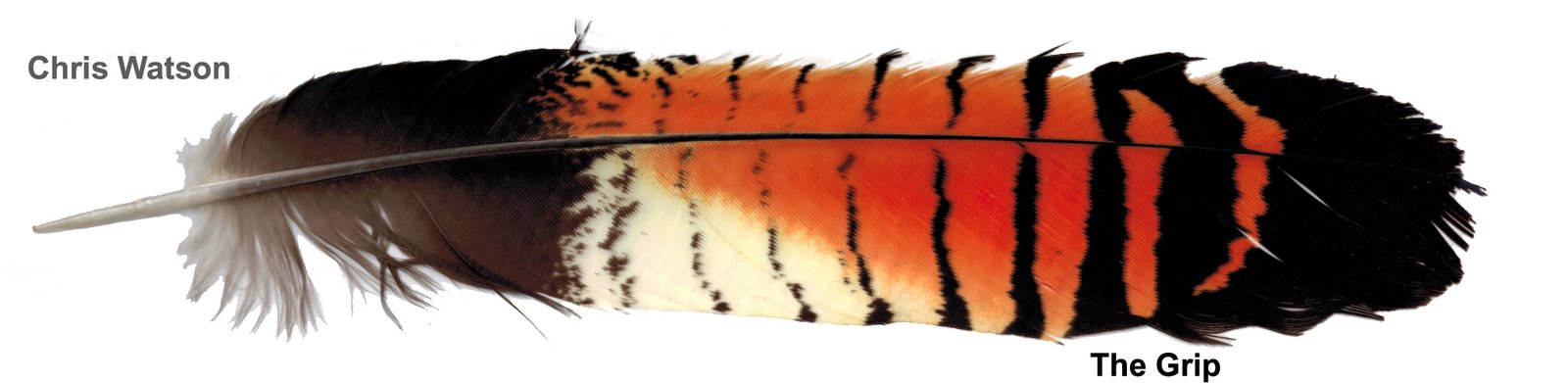
"There's no grip here; just a dip that'll make you wish you were born a herper."

Are they all just hacks and duffers? All of them? Surely not. In fact, among them are some of our most senior arid-zone ecologists, including some who are now in the thick of it, participating in the ongoing research into that species. Despite all their experience, study, bushcraft and years spent scouring the bush, they just didn’t have luck on their side.

But before we disappear up our own fundaments in a maelstrom of epistemology, there's a piece of wisdom that Mr. Minchin failed to pass on. For every neat aphorism there is an equally tidy and contradictory platitude. Some of you will already have thought of a pertinent one here. You make your own luck. Yes indeed. Through hard work, diligent study, astute networking and imaginative connection of apparently disparate data, you may increase the likelihood of success in various endeavours. But, again, we’ve covered this. Life isn’t fair. History is filled with talented, hard-working, deserving people who had all the facts and still just missed out.

So we have to acknowledge the role of luck in our successes and our failures.

This is a concept we need to popularise in birding. Despite the swaggerish title of this blog, anyone who has met me will vouch that it was chosen in the most ironic spirit of self-deprecation. The whole idea of the birding grip off is, I hope, clearly farcical and best reserved for use only amongst the very best of friends. You can scour your Dolby & Clarke and pick apart your Thomas & Thomas but in the end, with a nod to the caveats discussed earlier about identification of healthy habitat and the like, finding birds has as much to do with good fortune as your knowledge of the field guide. If you’re prepared to contest this, you should take care; you may be leaving yourself wide open to public ridicule every time you dip. And there will be many dips. Oh yes. There will be dips.

A natural born Dipper.

What has any of this got to do with Princess Parrots, I hear you ask? I’m glad you brought it up. My central thesis is this: nobody finds Princess Parrots.

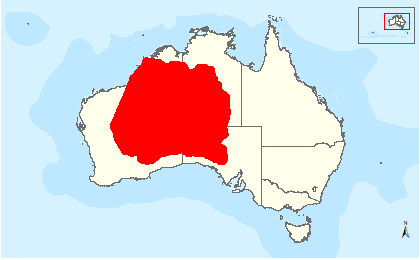
The distribution map for Princess Parrot from the Department of the Environment. Easy, just look in the red bit right?

The distribution map for Princess Parrot from the Department of the Environment. Easy, just look in the red bit right?

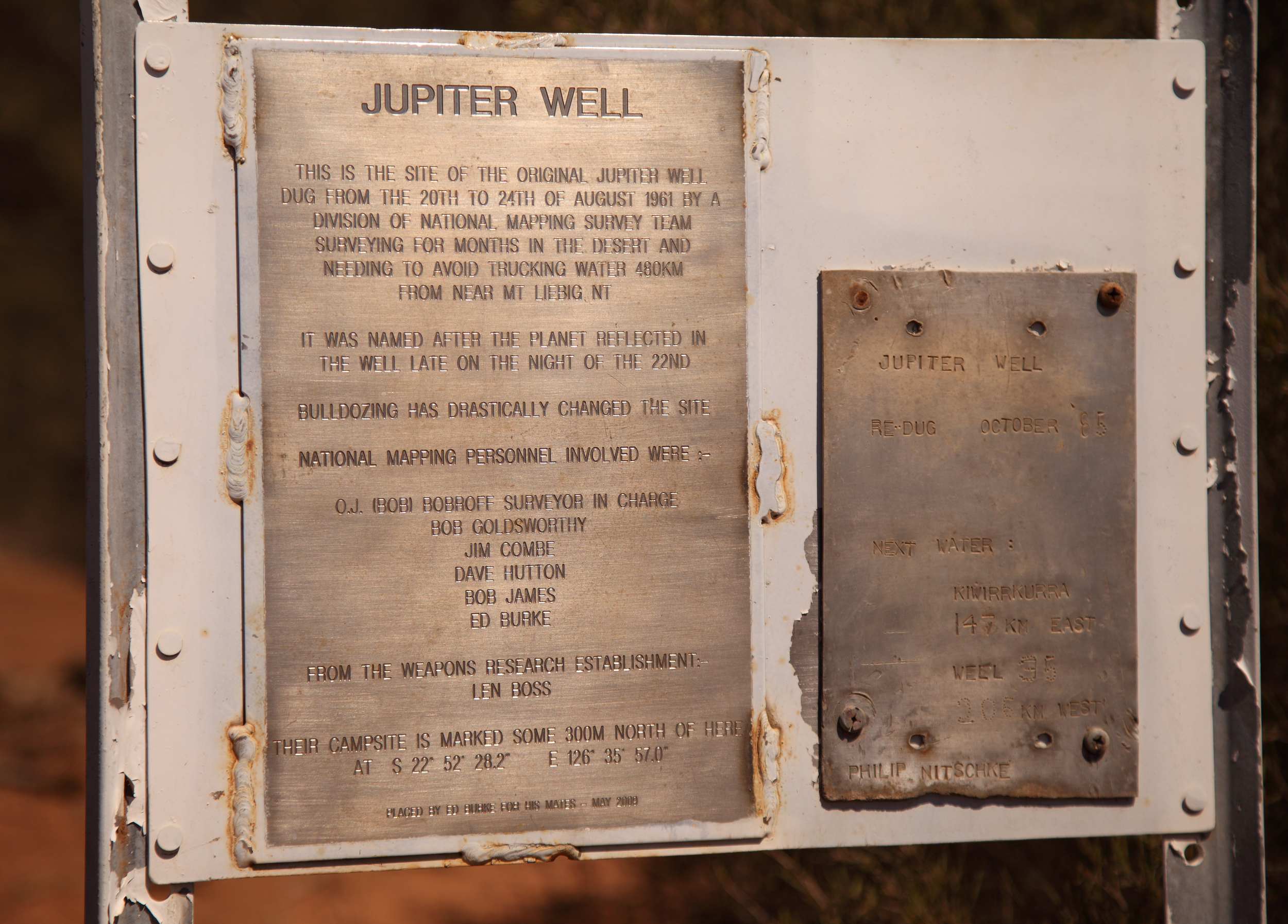
There’s a pernicious rumour that the Princess Parrot falls into that class of birds that, with the right knowledge, equipment and your jaw set at the right angle to depict heroic and imperturbable single-mindedness, you may go forth into the wilderness and find. Furthermore, there is a wild fantasy harboured by some in our midst, that one can just nip out to Neale Junction or Jupiter Well and catch them dozing in the Desert Oaks. It's a simplistic 'just add water' approach to arid land birding. To the more sober among you, this is as ludicrous as it sounds. Nonetheless, I feel I would be remiss if I didn’t attempt to disabuse you of this illusion.

As I wrote earlier, I recently ‘nipped out’ to Jupiter Well with Mark Carter and a small party of Australian listing heavy-hitters to give them a chance at ticking off this Australian-breeding mega. Truman Capote once wrote that, “…failure is the condiment that gives success its flavour”. If that’s so, then this was a tasty trip, and not just because of Mark’s form at the camp oven. (The man lived two years in North Africa and evidently picked up a thing or two about knocking together a fierce lamb tagine.) The abridged version: in 7 days ex-Alice Springs, spent fudding about Jupiter Well, Lake Mackay and parts west, we didn’t see a single Princess.

The trip was meticulously planned. As the mad bastard who conceived of this trip in the first place, all credit for that planning has to go to Mark. We received exceptional permits to camp in the region and head off-track to get up to Lake Mumu (freshwater) and Lake Mackay (salt and at the time, dry). These permits were a critical difference between this trip and most other visits to the area, and took a good deal of organising. A transit permit is required to traverse the Gary Junction Road, but this is precisely as it sounds – a permit to pass along the road corridor and nothing else. Technically, stopping for anything other than answering the call of nature is against the conditions of the permit. Certainly it doesn’t permit camping anywhere along the road. So, the Gary Junction Road transit permit limits you to a single crack at Princess Parrots in the vicinity of Jupiter Well, then you have to continue on your way.

We also had permission to head off the Gary Junction Road to investigate the localities of other recent sightings of the species, away from Jupiter Well. The most recent sighting that we were aware of was Richard Waring’s encounter with 19 birds on the Gary Junction Road near Walangurru (Kintore, NT) in April 2015.

Other than that, there really wasn’t a lot more to go on. It was a bold move by Mark to put on a trip seeking such a notoriously unreliable bird. Everyone on both sides of wildlife tourism knows full well that there are never guarantees, but from the guide’s perspective there is still an immense amount of pressure and a deep sense of obligation to show people everything they hope to see.

From fairly early on in the trip it was clear that conditions were dryer than we had anticipated. Insectivores were everywhere. We saw some very large mixed flocks of Masked and White-browed Woodswallow in association with a moth emergence. In the same area we were counting White-winged Triller by the hundred as they passed through following abundant swarms of insects. We saw groups of Varied Sittella, usually a very unreliable bird in Central Australia, at almost every place we stopped to bird. But granivores were all but absent. A few Zebra Finch flitted here and there if water was at hand, the occasional small mob of Budgerigar ripped through overhead, but that was about all we saw from the seed-eating guild.

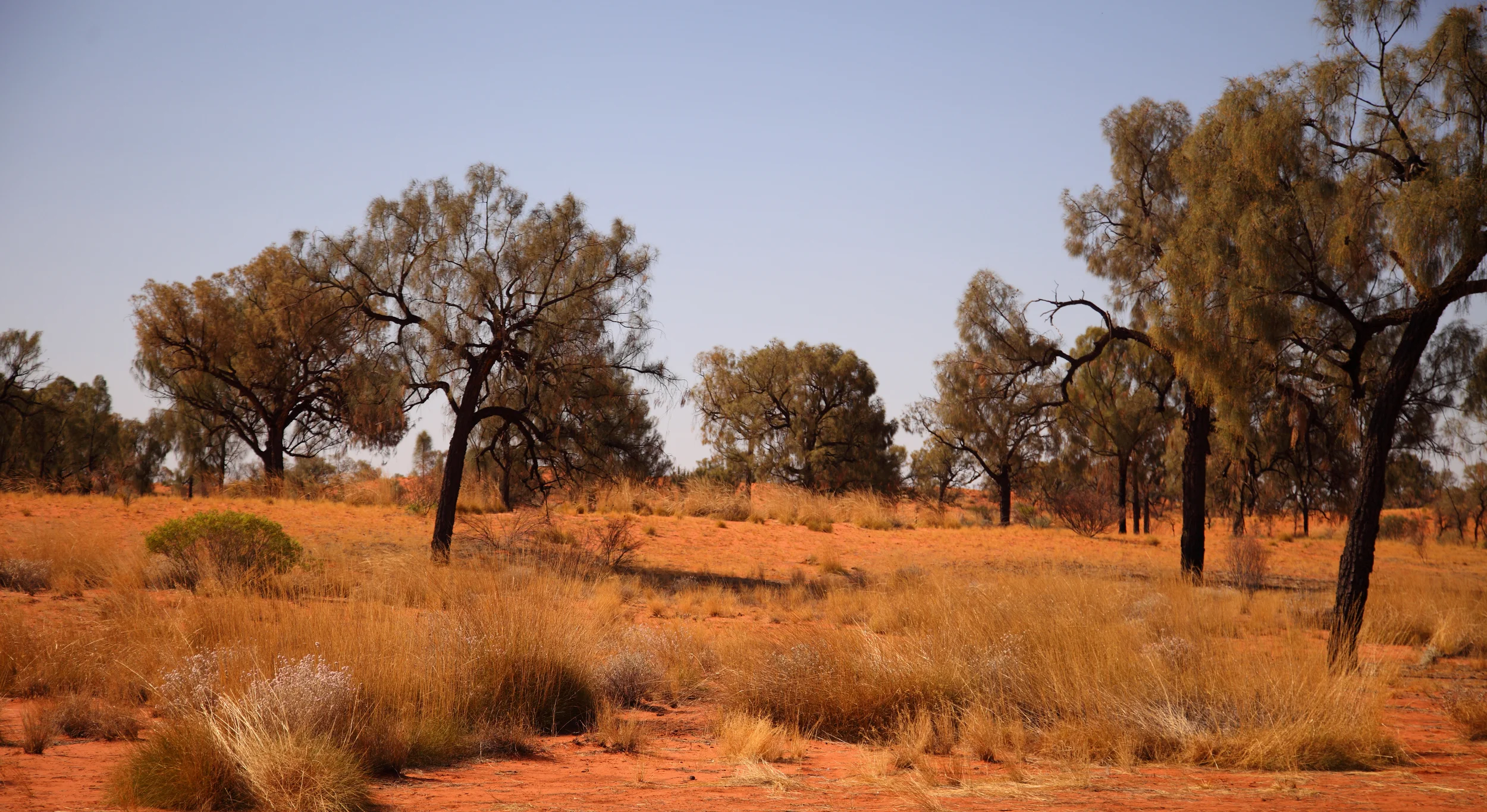
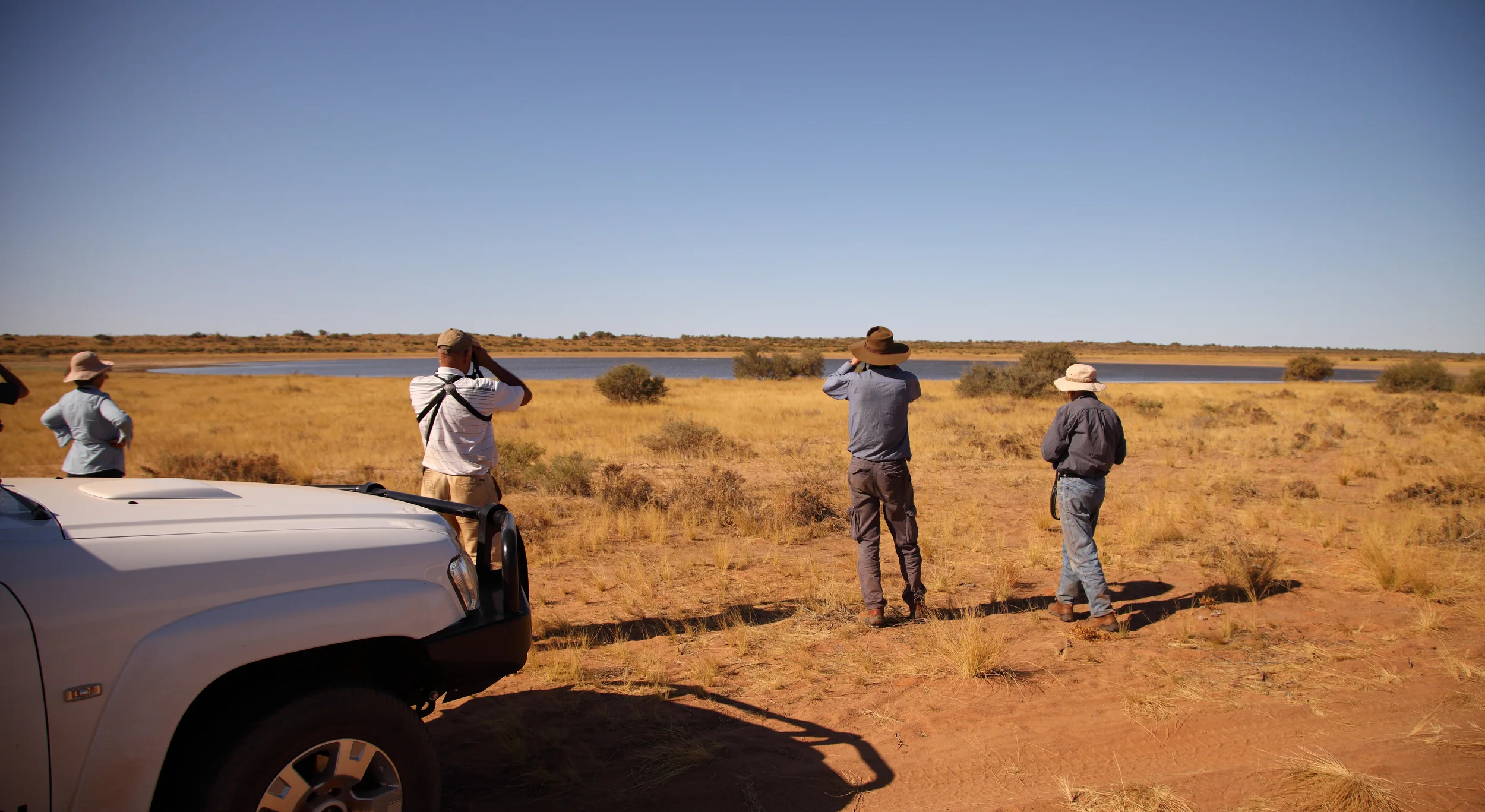
Despite passing through some of the most extraordinarily well-managed spinifex sandplain that Mark or myself had ever seen, there was just nothing eating seed. It didn’t bode well for parrots. The mornings and late afternoons were spent at listening posts hoping to pick up the distinctive sounds of The Princess, or slow-cruising tracks interrogating every Desert Oak and Bloodwood. During the warmer part of the day we covered more distance and investigated a few different habitats. We walked some dune fields, checked out leaky water tanks and open water sources and scoured the horizon until we went cross-eyed. If there were Princess Parrots in the area, I’m confident we would have seen something. With so much time in the area, with so many pairs of eyes and ears set to the task – we’d have seen them if they were there. My own feeling is that they just weren’t in the area.

So to the painfully obvious question – where are they?

If they were out there, they certainly weren't showing themselves.

If anybody knows, they aren’t saying. If you look on a map you’ll see that Jupiter Well and Neale Junction, the two most routinely cited ‘occasionally reliable’ locales for the bird, are not actually that far to go. The usual precautions for remote travel in desert regions apply, but with the right car, communications gear and the right attitude you actually almost can ‘nip out’ from Alice Springs to Jupiter Well. It’s really only one big day of driving to get out there (and a similar trip from Kalgoorlie to Neale Junction in WA). It’s by no means a doddle but it’s within the capabilities of any birder with outback driving experience. If there were birds out at Jupiter Well with anything approaching the reliability that the birding grapevine might suggest, there would be carloads of birders departing Alice Springs every single weekend. The fact that there isn’t, says everything we need to know.

It’s no exaggeration to say that, with the wild ecology of the Night Parrot all but ‘in the bag’ thanks to John Young and the ongoing research being conducted by the team at “The Queensland Site”, the movements of the Princess Parrot is a strong contender for the title of Australian ornithology’s new holy grail. How you go about researching a bird that moves with apparent ease across such a large chunk of the continent will be decided by someone smarter than me, but if I had to guess I suspect it’ll come down to another John Young-style effort. There are few hi-tech approaches that seem likely to yield results. An individual or small team driving the country confirming presence or absence at various points and making feeding and breeding observations seems as good an approach as any. The literature on the species is sparse and we can only hope that an individual or institution will step up soon to fill in the blanks.

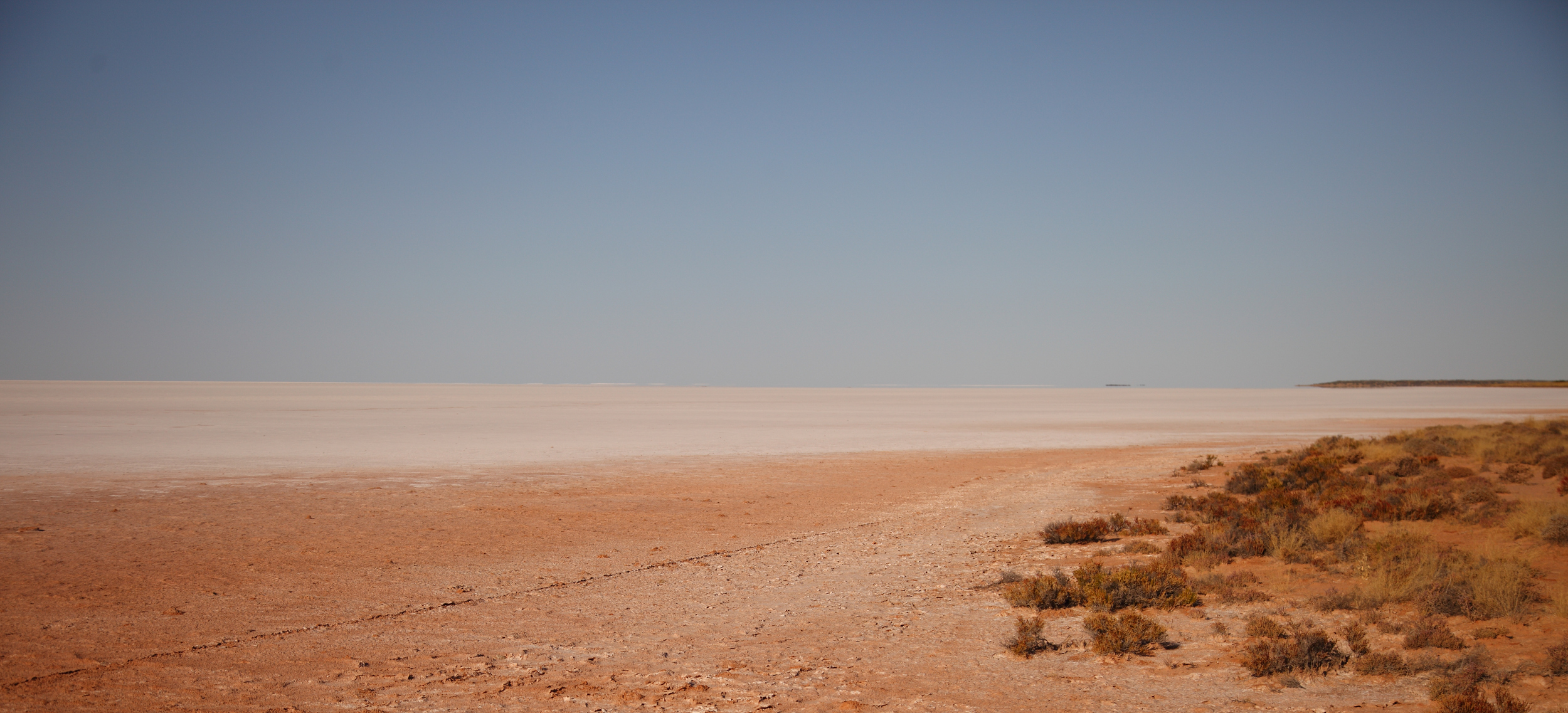
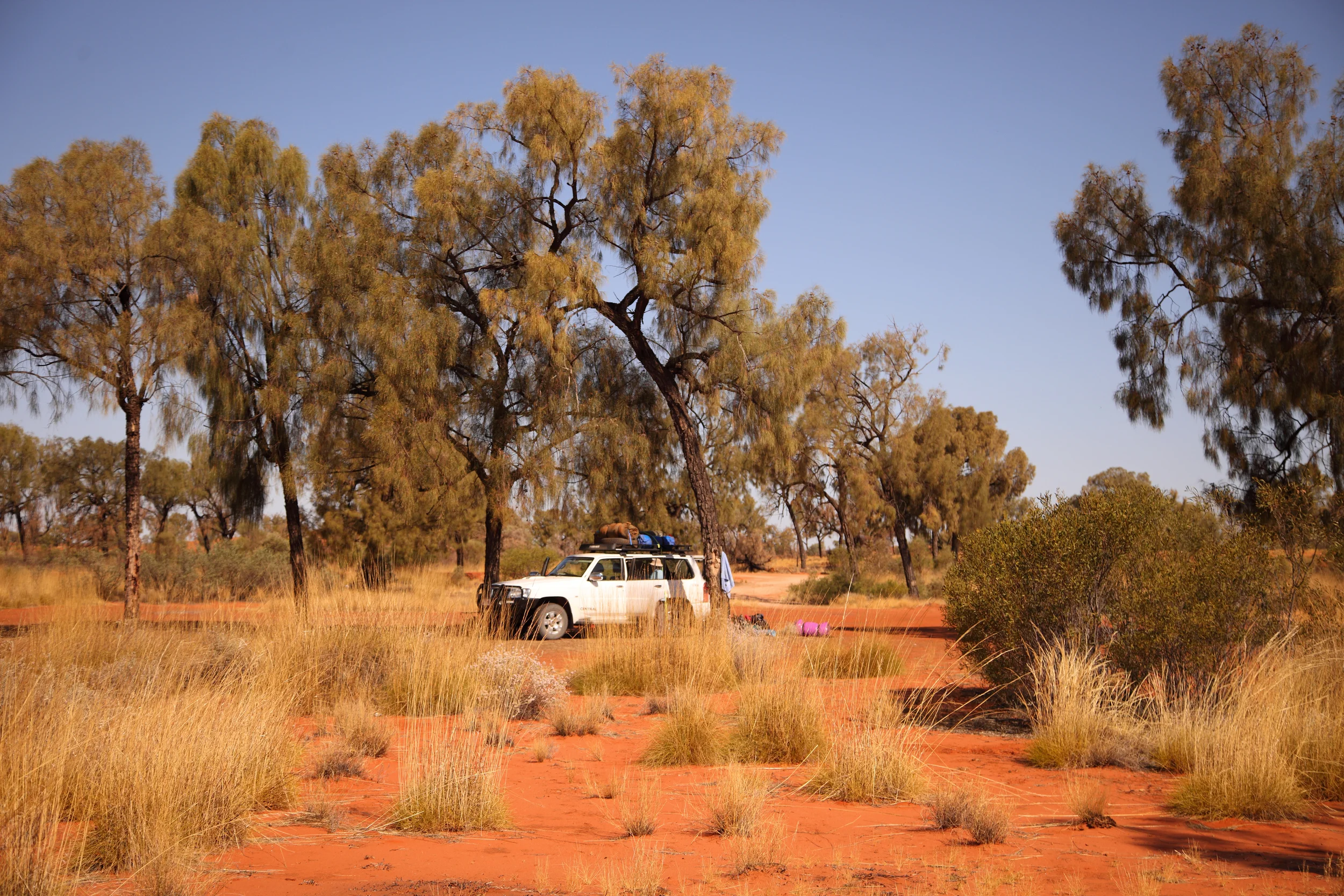
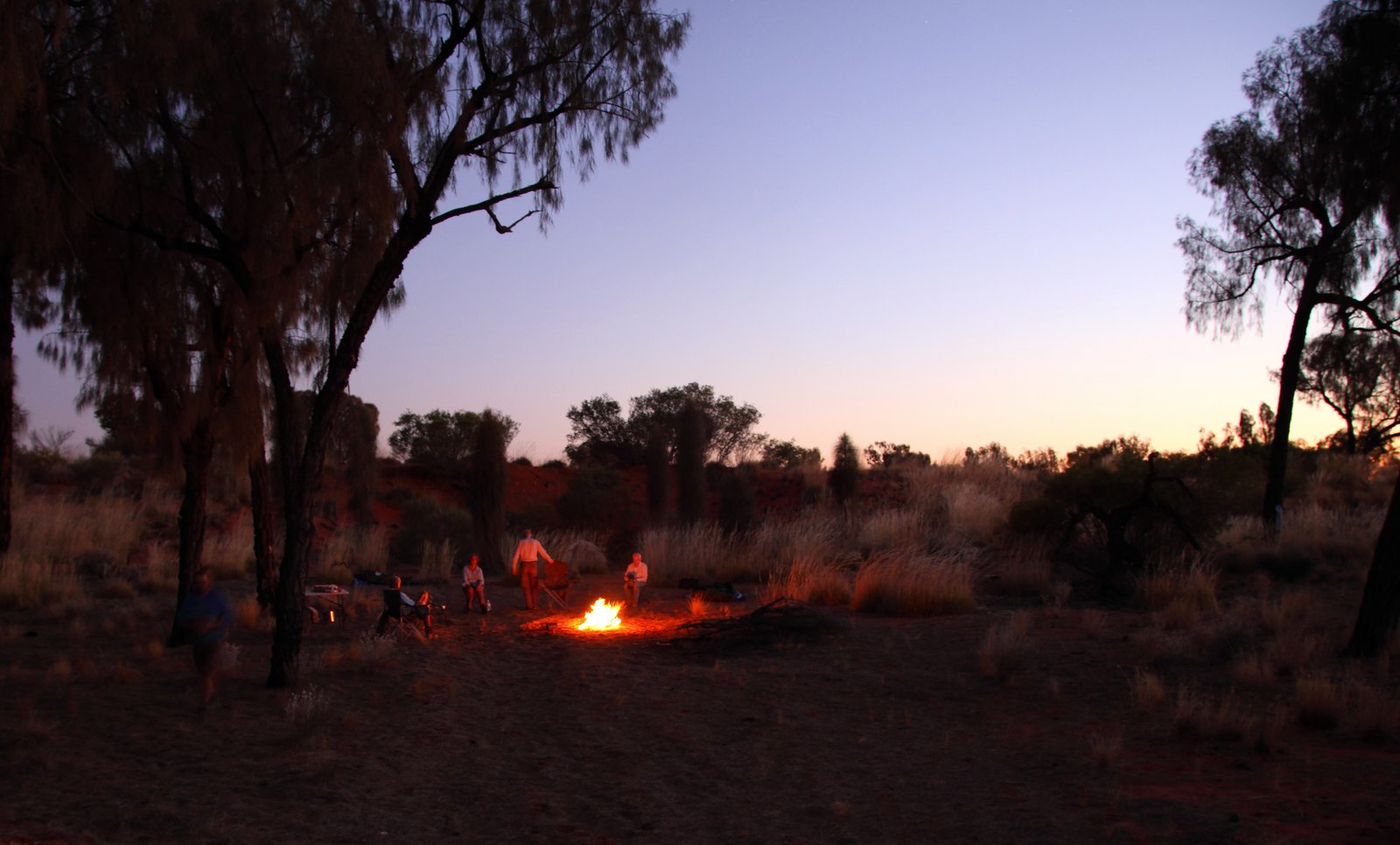
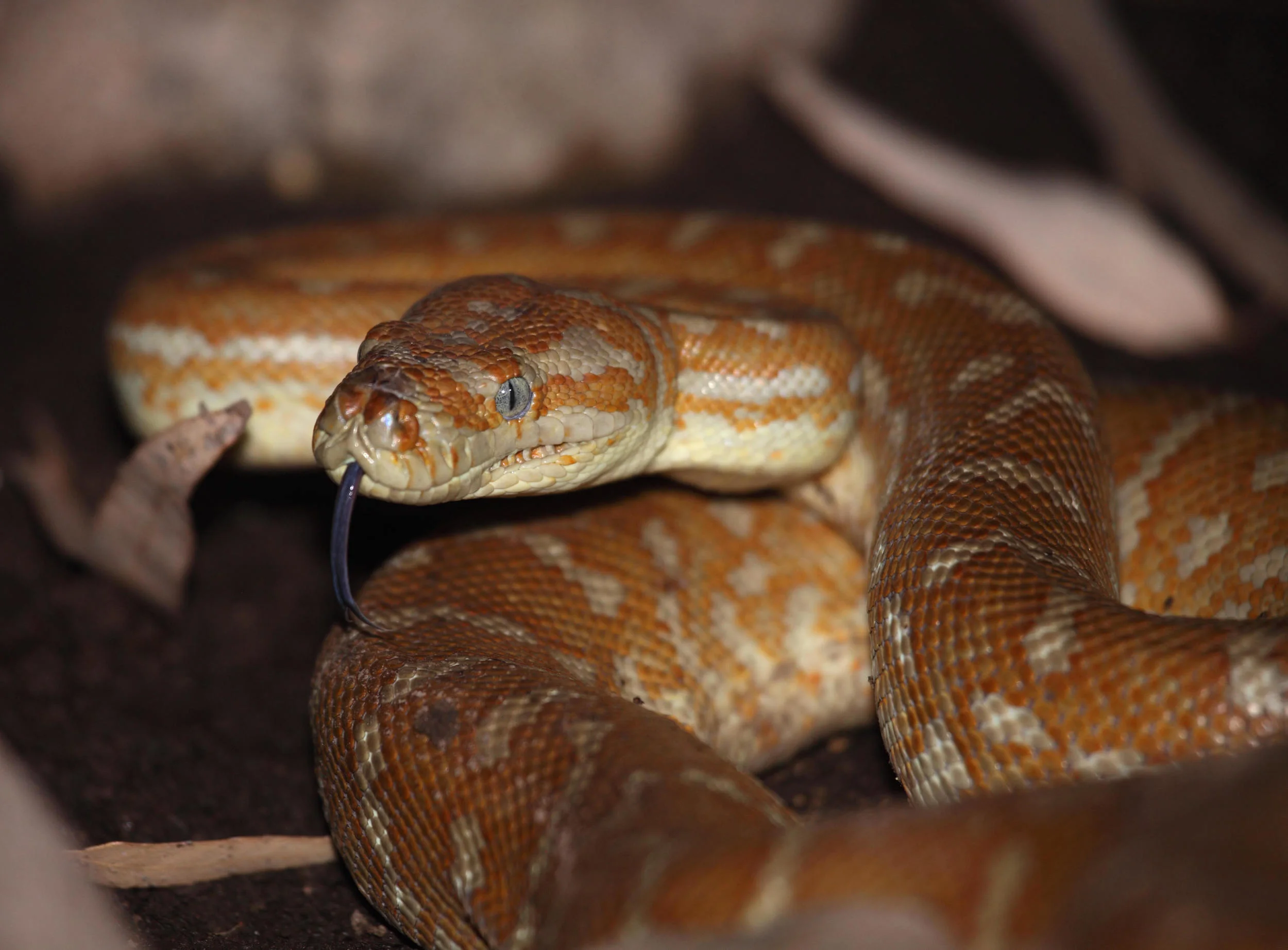
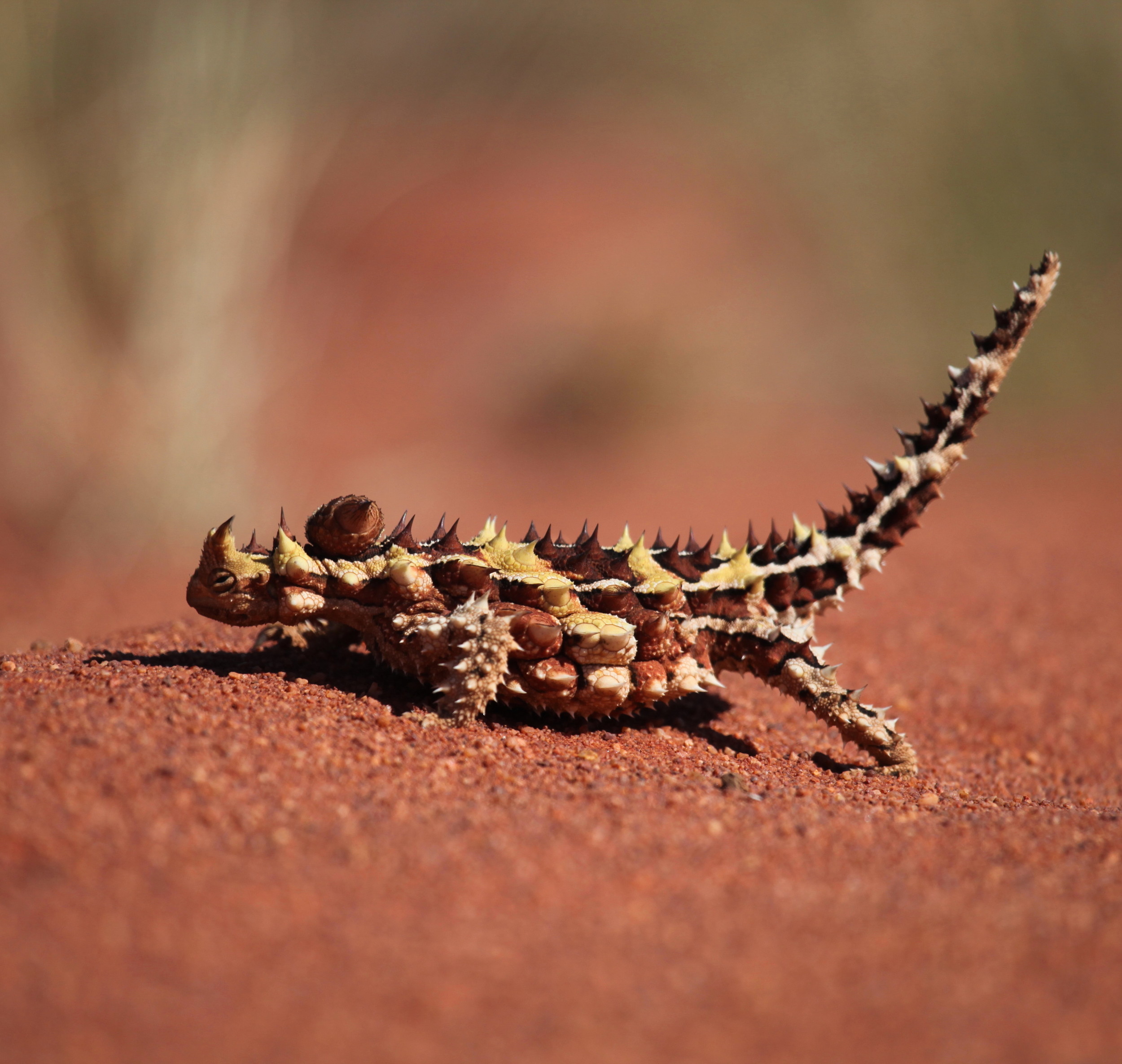
So we missed The Princess, but as Jack Black’s character in The Big Year says at the end of the eponymous travails, “…we got more. More… everything”. It was extraordinary and life-affirming just to be out there amongst it. It’s a very new-age, Dennis Denuto sort of sentiment, but it really is the vibe of the thing. Setting off into the desert on a wildly ambitious adventure of pure discovery, could hardly have been more exciting and the results more edifying. Only the cold and dead of heart could have felt otherwise. We saw parts of the desert that even seasoned travellers of the arid lands have never visited. We slept in the soft sand amid whispering Desert Oaks – the wind harps of the Western Desert. We spent perfect, still mornings birding among thronging flocks of feeding woodswallows, chats, and trillers. We saw Brolga reflected in the disc of a freshwater lake between red sand dunes with the sun setting on our backs. We stood on the shores of Lake Mackay, an expanse of salt rivalled in size by few others on the continent and seen by few non-indigenous visitors since the days of Warburton, Giles and Beadell. We tracked the wanderings of innumerable nocturnal mammals across the sand in the crisp mornings. We encountered iconic desert wildlife like Thorny Devil and the endangered Centralian Carpet Python.

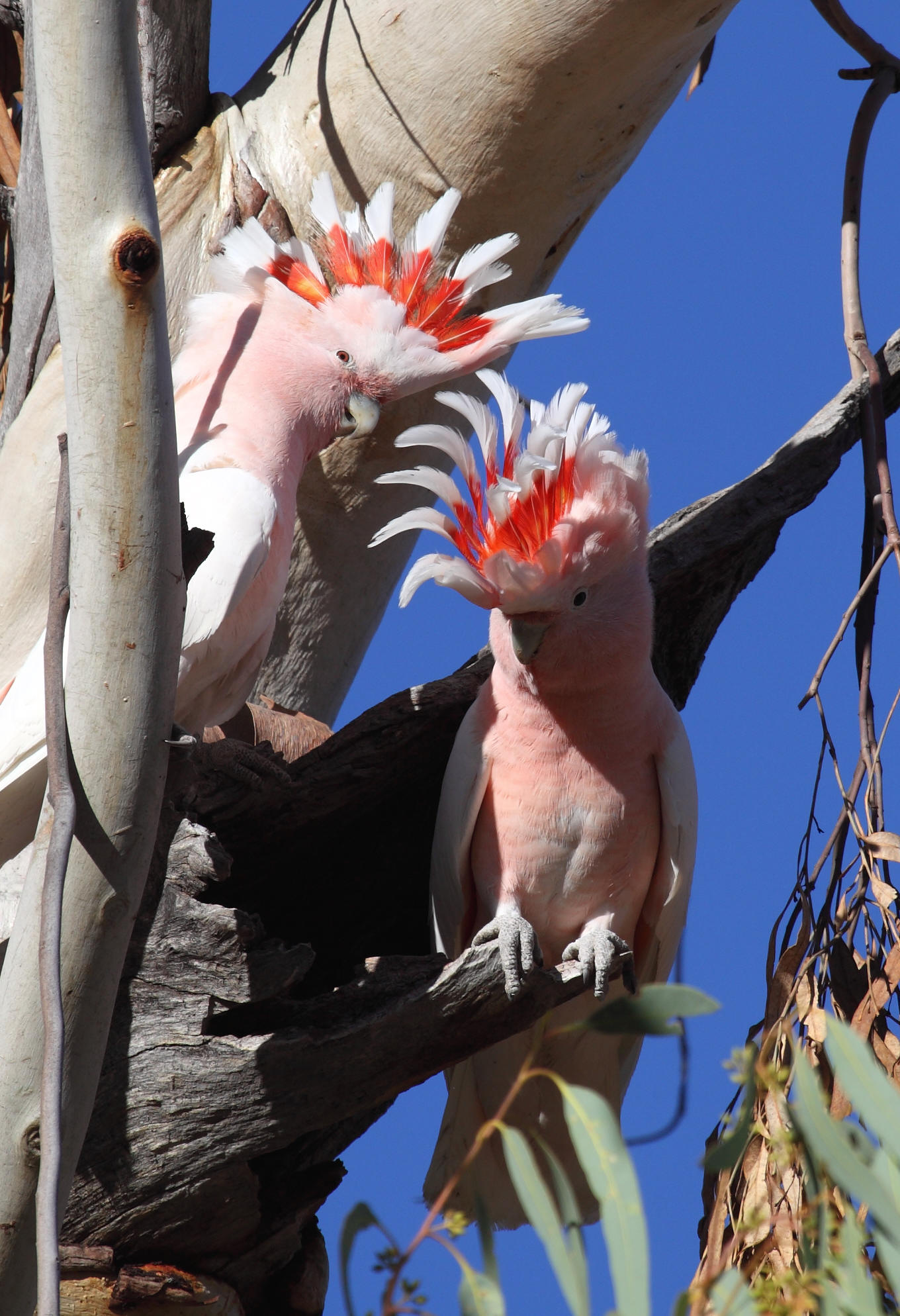
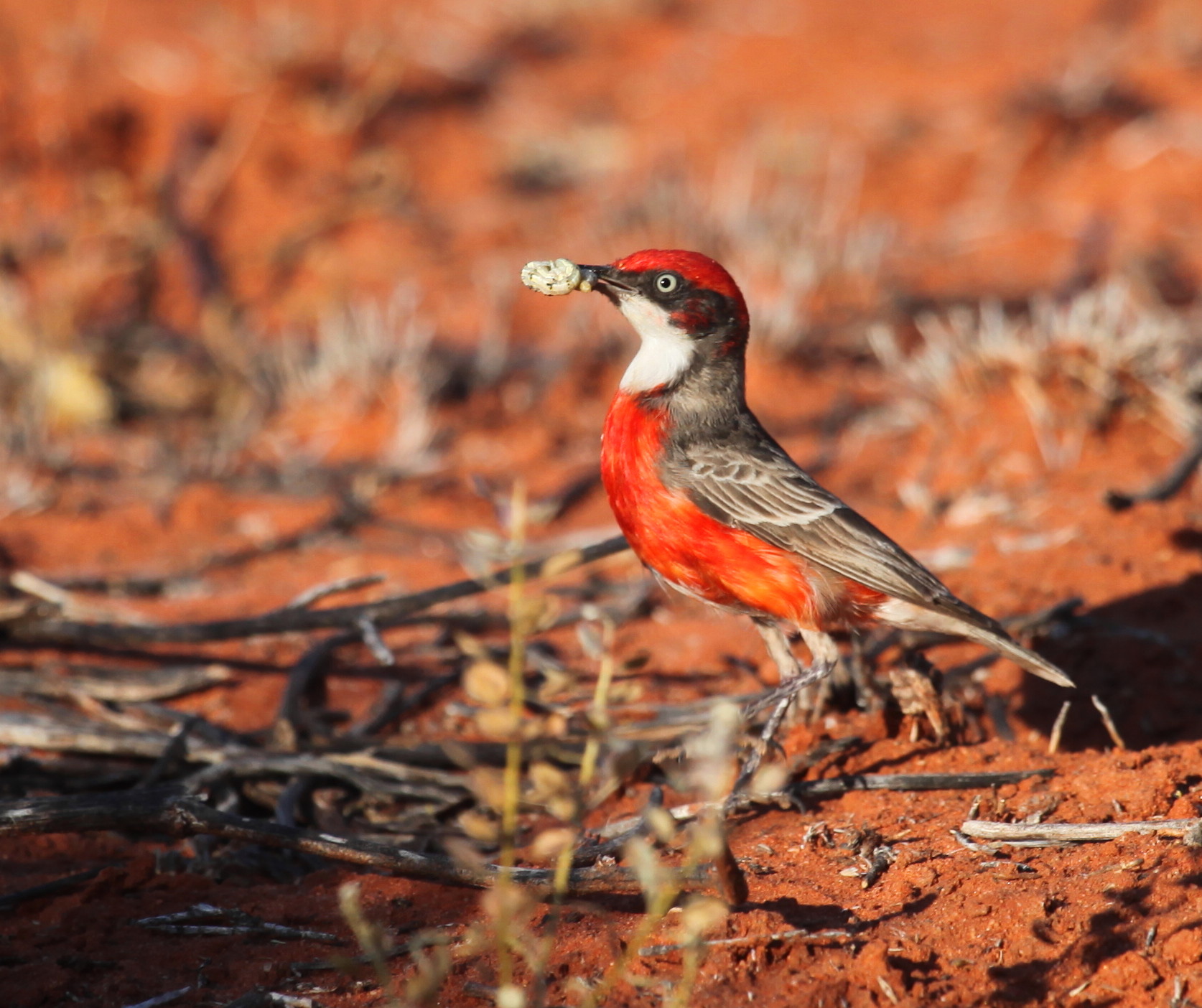
Atop all of this, during a fairly dry and quiet period in the desert life-cycle, we still managed to see more than 100 species of bird including cripplers like Banded Whiteface, Sandhill Grasswren, Chiming Wedgebill, Crimson and Orange Chats, Painted Finch, and Major Mitchell’s Cockatoo.

It’s a big list, with a lot more than just a parrot-shaped hole.  

It’s a list to be proud of, despite the parrot-shaped hole.

*****


A short, meandering postscript. In seven days of driving there are a lot more thoughts that can be neatly summarised in just a few hundred words.

As well as the nature of luck and its relationship with birding, another common topic of energetic conversation in my car was the obvious, but rarely mentioned, relationship between scientific discovery and commerce. Exploration has often been funded by wealthy benefactors or sponsors. Increasingly, we can cast wildlife-seeking tourists in this role without fear of overstating things.

There was a time, not all that long ago, when pelagic trips leaving Australian shores were a pretty specialised and exceptional event. In recent decades this has been changing gradually and now there is barely a weekend that goes by without pelagic trip reports from one or more trips reaching our inboxes. While these trips are still mostly costed so they reach the break-even point rather than generating serious profit, it is the patronage of birding tourists that keeps them going. Our understanding of seabird diversity in Australian waters has increased along with the frequency of pelagic birding trips. Anyone who has been on these trips can attest that the organiser/leader is usually someone with a deep knowledge of pelagic wildlife and a keen interest in the collection of data. This is as clear an example as you could want of tourism directly providing the means for data collection and scientific research. We pay to get out to the shelf and see some albatross and petrels and an inquiring mind is provided with the means to get into the field and access the populations they need to observe and sample to further our collective understanding. It’s a beautiful thing.

It’s not limited to pelagics either. Anyone who has birded in Africa or Central or South America is likely to have encountered numerous examples of local communities supplementing (and even replacing altogether) sometimes destructive subsistence industries with the income provided by wildlife tourists to see preserved habitat and the specials animals within it. Angel Paz and his extraordinary knack for habituating various species of Ecuadorian antpitta, springs immediately to mind. Whatever your stance on feeding wild birds, Angel has become deservedly famous for rendering once near-invisible birds, accessible and easily-viewed for paying visitors to his cloud-forest reserve, which may otherwise have been levelled long ago for crop-farming. How would you go about seeing lekking Andean Cock-of-the-Rock if it weren’t for the numerous protected stake-outs of known lekking sites for this astonishing species?

It’d be good to see an elevated and enlightened discourse develop around professional bird and wildlife guiding in Australia. Professional bird guides in Australia have often been on the receiving end of some fairly thoughtless and small-minded criticism in the past. This is by no means prevalent, but common enough to be troubling. Just as pelagic trips have drawn back the curtain on pelagic wildlife in Australian waters, there are a number of exceptionally talented and highly-skilled individuals who have been doing the same on terra firma.

Whether it's pelagics on the blue paddock or expeditions inland, someone has to go looking or we never learn anything.

Particularly to those who have pioneered the difficult business of inland birding, we owe a great deal of thanks. The birds are hard and the country even harder but the rewards are obvious. It’s a staggeringly large continent that we live on and there are still many, many blanks on the map. Mark Carter is by no means the only guide offering birding trips in our vast deserts, but it took chutzpah to take on a bird like the Princess Parrot – the sort of chutzpah that will inevitably pay dividends. Diamonds owe their value to their scarcity and this is just as true for birds like this. An encounter with the bird is priceless, but even to search for it brings ineffable rewards. If I had my way, Mark would be rewarded with a flood of inquiries for subsequent trips. Trips like this are the beginning of understanding. In an age where dedicated research funding is as elusive as some of the animals it might be spent studying, citizen science and tourist-funded expeditions are where we will get our baseline data.

SPECIAL THANKS

No expedition of this nature comes together without help from many quarters. The country we visited looked fantastic and credit must go to Traditional Owners and ranger groups for their efforts managing this large area. The country is administered by the Ngaanyatjarra Council and their staff were helpful at every step of the permit application process. The wonderful folks running the store at Kiwirrkurra were always smiling and welcome, despite our regular demands for fuel and service at irregular times - thanks a million, you should all know how important you are to regional tourism. And the same goes to the friendly folks at the store at Watiyawanu (Mt. Leibig).

Thank you all - your blood's worth bottling. 

Species Lists

Birds (in roughly the order seen)

  1. Magpie-lark
  2. Galah
  3. Spiny-cheeked Honeyeater
  4. Little Crow
  5. Black-faced Cuckooshrike
  6. White-plumed Honeyeater
  7. Yellow-throated Miner
  8. Willie Wagtail
  9. Pied Butcherbird
  10. Zebra Finch
  11. Black Kite
  12. Black-breasted Buzzard
  13. Whistling Kite
  14. Rock Dove
  15. Australian Ringneck
  16. Crested Pigeon
  17. Singing Honeyeater
  18. White-winged Triller
  19. Peregrine Falcon
  20. Brown Falcon
  21. Collared Sparrowhawk
  22. Black-faced Woodswallow
  23. Crimson Chat
  24. Black-chinned Honeyeater
  25. Grey-headed Honeyeater
  26. Australian Hobby
  27. Western Gerygone
  28. Red-backed Kingfisher
  29. Rainbow Bee-eater
  30. Australian Magpie
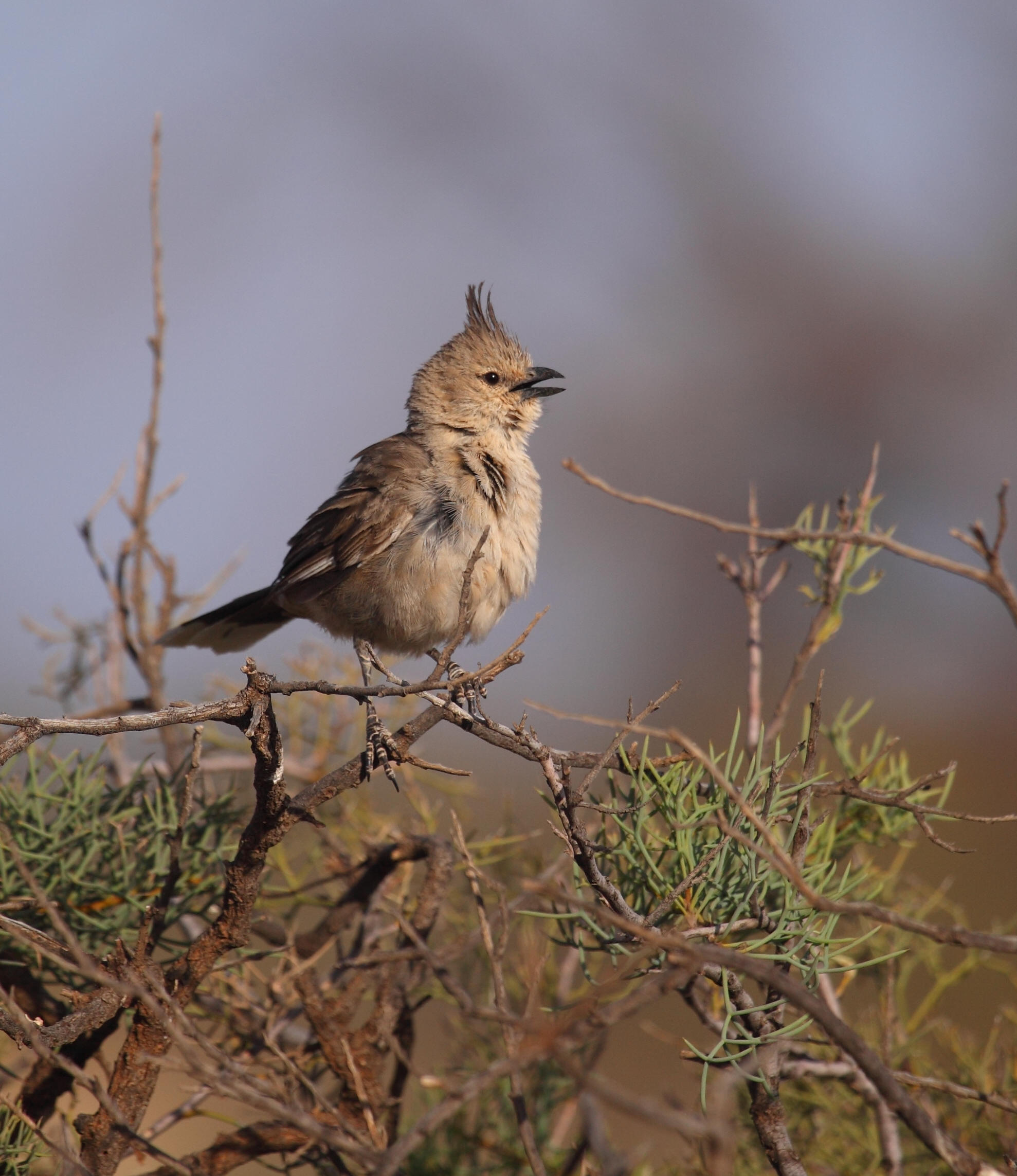
  31. Crested Bellbird
  32. Rufous Whistler
  33. Chiming Wedgebill
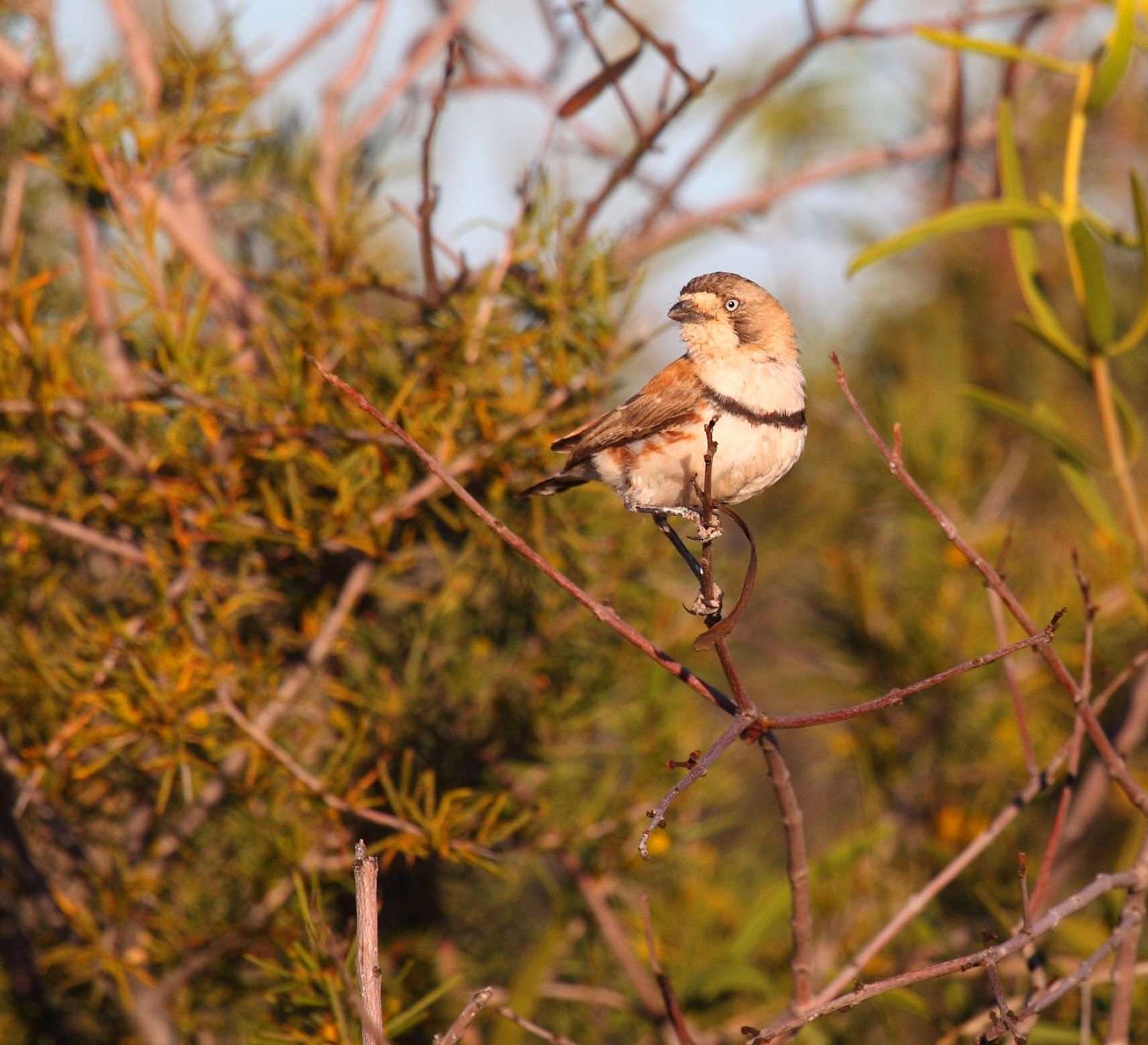
  34. Banded Whiteface
  35. Australasian Pipit
  36. Red-browed Pardalote
  37. Little Button-quail
  38. Variegated Fairy-wren
  39. Australian Bustard
  40. Striated Pardalote
  41. Black-shouldered Kite
  42. Budgerigar
  43. Varied Sittella
  44. Rufous Songlark
  45. Weebill
  46. Major Mitchell's Cockatoo
  47. White-backed Swallow
  48. Masked Woodswallow
  49. White-browed Woodswallow
  50. Diamond Dove
  51. White-necked Heron
  52. Mistletoebird
  53. White-fronted Honeyeater
  54. Black Honeyeater
  55. Little Eagle
  56. Brolga
  57. Red-necked Avocet
  58. Sharp-tailed Sandpiper
  59. Orange Chat
  60. White-winged Fairy-wren
  61. Sandhill Grasswren
  62. Brown Goshawk
  63. Red-capped Plover
  64. Nankeen Kestrel
  65. Spotted Harrier
  66. White-faced Heron
  67. Australian Reed Warbler
  68. Black-fronted Dotterel
  69. Grey Teal
  70. Wedge-tailed Eagle
  71. Great Egret
  72. Tree Martin
  73. Ground Cuckooshrike
  74. Hooded Robin
  75. Little Grassbird
  76. Hoary-headed Grebe
  77. Australasian Grebe
  78. Tawny Frogmouth
  79. Little Pied Cormorant
  80. Australian Spotted Crake
  81. Australasian Swamphen
  82. Southern Boobook
  83. Eurasian Coot
  84. Southern Whiteface
  85. Grey-crowned Babbler
  86. Yellow-rumped Thornbill
  87. Mulga Parrot
  88. Pink-eared Duck
  89. Grey Shrike-thrush
  90. Dusky Grasswren
  91. Painted Finch
  92. Western Bowerbird
  93. Inland Thornbill
  94. Slaty-backed Thornbill
  95. Red-capped Robin
  96. Splendid Fairy-wren
  97. Spinifex Pigeon
  98. Masked Lapwing
  99. Australian Owlet-nightjar
  100. Sacred Kingfisher
  101. Brown Honeyeater
  102. Little Woodswallow
  103. Grey Fantail
  104. Fairy Martin

Reptiles

  1. Gehyra purpurascens
  2. Bynoe's Gecko
  3. Sand-plain Gecko
  4. Carlia triacantha
  5. Blue-tailed Ctenotus
  6. Centralian Blue-tongue
  7. Long-nosed Dragon
  8. Central Military Dragon
  9. Central Netted Dragon
  10. Thorny Devil
  11. Central Bearded Dragon
  12. Spiny-tailed Monitor
  13. Pygmy Desert Monitor
  14. Gould's Sand Monitor
  15. Centralian Carpet Python