Chris Watson

Birding Central Australia #73 - Red-tailed Black Cockatoo

Chris Watson

Red-tailed Black Cockatoo Calyptorhynchus banksii

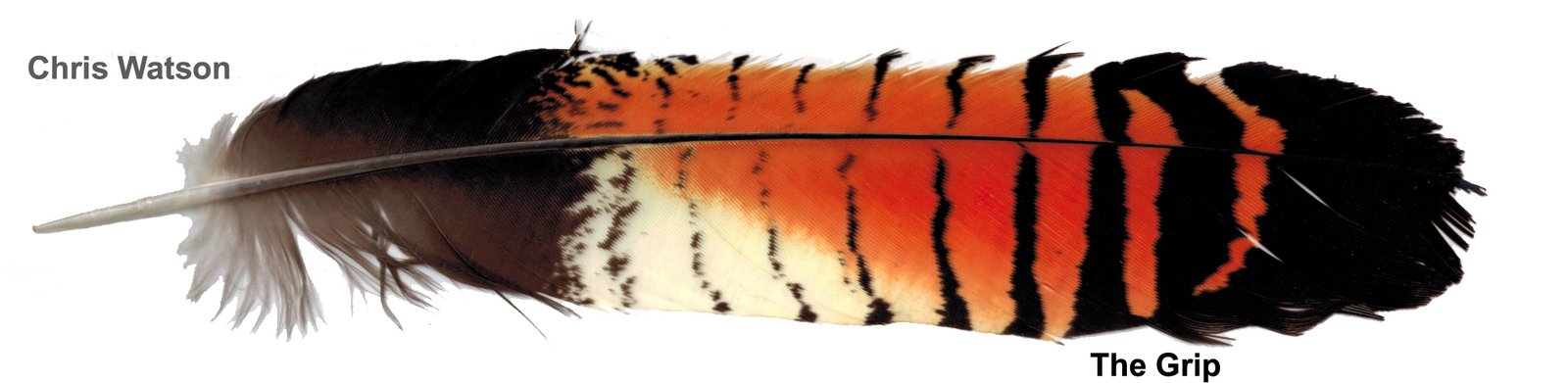
This week we’re looking at yet another species that we are fortunate to enjoy here in The Centre, but which is in steady decline in southern states. Cockatoos are obligate hollow nesters. This means that they can’t build a nest of sticks like other birds – they must find a suitably large tree hollow or they will not breed. In areas where there has been large scale clearing of forests and dead timber, these birds are becoming increasingly difficult to find. It’s a great lesson in the value of our old trees, including the dead ones. Dead timber provides vital refuge for whole communities of animals from tiny invertebrates, bats, and geckoes, to the spectacular cockatoos in the picture.

It seems we are heading into a great season for birds and all sorts of wildlife in The Centre. Many locals have been noticing birds like our Red-tailed Black Cockatoos in increasing numbers over recent weeks. Smaller parrots like Budgerigars and Cockatiels have also become a common sight and sound around Alice Springs. The resident flock of Little Corellas down at the sewage ponds has almost doubled in size from last year’s mob, and the black cockies are turning up everywhere.

Inland Dotterels have been reported from Rainbow Valley, and White-fronted Honeyeaters have been seen around the edges of town – both highly mobile species that spread out in response to favourable conditions. A Banded Stilt was handed in to wildlife carers in Coober Pedy, so perhaps this species is on the move from saline systems to our south. Raptors seem to have bred well this season, with sightings of young Spotted Harriers, Peregrine Falcons, and Black-shouldered Kites.

Happy birding!

Birding Central Australia #72 - Varied Sittella

Chris Watson

Varied Sittella Daphoenositta chrysoptera

Many Alice Springs residents might never have seen the bird in our picture before. This is the Varied Sittella – similar to a type of bird in Europe called a nuthatch. These birds are usually found foraging through woodland habitat in small family groups. They can be difficult to find, but you might bump into them on the trail up Mt Gillen or along the Simpson’s Gap bike path.

That dagger-like beak is used to pry the bark off trees and pick out small invertebrates. They’re a small bird, not particularly common, and so they are easily overlooked. Their foraging technique is very precise; they fly up to the top of a tree trunk and spiral their way down the trunk, picking and probing for food on the way down. Then they fly to the top of the next tree trunk and start all over again. This is notable for its contrast with the foraging technique of another central Australian bird, the White-browed Treecreeper. The treecreeper will fly to the base of a trunk and work its way upward in its search for food before flying to the base of the next tree.

Some interesting reports came in from Alice birders making the most of their long weekend. Angela Stewart and Jesse Carpenter found plenty of Gibberbirds on plains near Charlotte Waters. Great Cormorants were reported at Ormiston Gorge and along the Hugh River. The Tanami Road had several flocks of Banded Lapwings and, after sunset, plenty of Bourke’s Parrots and Common Bronzewings approaching any open water. Also to the north-west, a few large flocks of Masked Woodswallows had some White-browed Woodswallows among them.

Happy birding!