Chris Watson

Birding Central Australia #59 - Plumed Whistling-Duck

Chris Watson

Plumed Whistling-Duck Dendrocygna eytoni

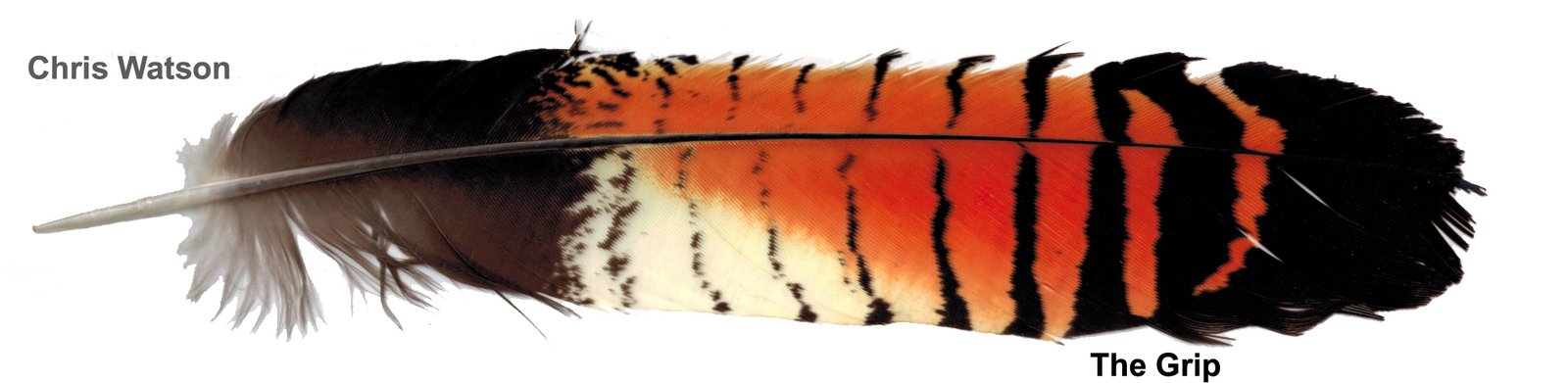
Just as many Centralians thrilled to the sight of the total lunar eclipse last weekend, many birdos have been delighted by the spectacle of some Plumed Whistling-ducks that have taken up temporary residence at the sewage ponds recently. They’re not usually resident around Alice Springs, but they are frequent visitors. This flock of about 15 birds have been showing their beautiful plumage around the sewage ponds and Ilparpa Swamp for the last few weeks.

These birds are more commonly seen in wetter parts of The Territory, but may be seen anywhere there is a decent body of open water like a dam, claypan, or ephemeral swamp. Apart from their distinctive plumage, they can be identified in flight by their whistling call which they often emit as they take off.

Another unusual visitor lobbed in during the week, in the form of a lone Australian Pelican that was sighted by contractors at the sewage ponds during the dog incurred closure to the public.

During a drive down south of town I was lucky enough to have an early morning ramble through a mulga wonderland of bush birds including the ever elusive White-browed Treecreeper, Inland Thornbills, Major Mitchell’s Cockatoos, Western Gerygones and a single Black Falcon.

More exciting vagrant news has arrived from Broome, where Adrian Boyle has reported a find of a Cinnamon Bittern being munched on by a Brown Falcon. The bird had been recently killed by the falcon and was still in excellent condition and has been sent to the museum as a specimen. This is a species usually found from Timor Leste up through SE Asia and now joins the Eurasian Hoopoe and Stejneger’s Petrel as another first record for the Australian bird list.

Happy birding!

Birding Central Australia #58 - Mistletoebird

Chris Watson

Mistletoebird Dicaeum hirundinaceum

Lots of folks around town are putting their decorations up so it made sense that our bird picture this week should be something a bit festive. This brightly coloured bauble is a Mistletoebird. This is the male bird, and with such bright colours and a piercing call, they are usually not too difficult to find.

As the name suggests, the bird has a strong association with the mistletoe plant. This is a partly parasitic plant that is very common in tree around Alice Springs. Have you ever noticed a clump of leaves in a tree that don’t seem to match the rest of the tree? That’s mistletoe. There are a few different species but they usually have these little berries that Mistletoebirds just can’t resist. In the action of expelling the undigested seed the bird leaves it lodged in the tree’s bark and propagates the next generation of mistletoe – a satisfying symbiosis.

Bit of bad news this week with feral dogs again appearing at the sewage ponds in Alice Springs. Power & Water have had to take the tough, but very wise, decision of closing this facility to birdwatching access until they can be removed. It is hoped that this may be within a couple of weeks, but it will depend on the success of the control program – I’ll keep you posted.

I was lucky enough to visit Helen Miller this week who has a very happy family – she has had as many as 7 Boobooks roosting in her yard at one time over the last few weeks. The Western Bowerbird around my place has taken to imitating a Channel-billed Cuckoo that has taken up residence in the area which has made for some interesting alarm calls. Lastly, Crimson Chats have been reported just 20kms down the Old South Road.

Happy birding!