Chris Watson

Birding Central Australia #78 - Princess Parrot

Chris Watson

Princess Parrot Polytelis alexandrae

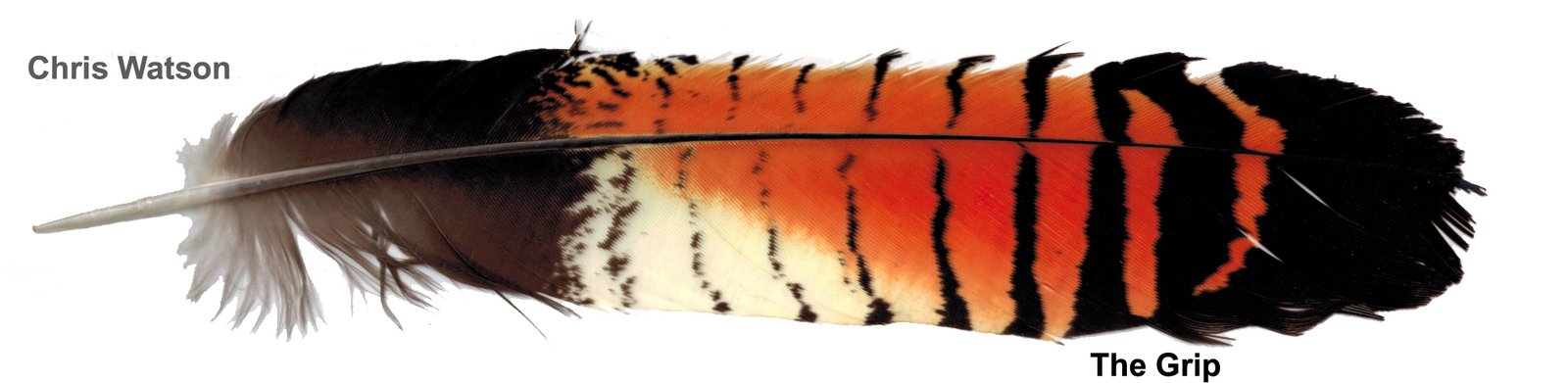
The birding year has reached an unexpected zenith this week with the announcement from Australian Wildlife Conservancy that flocks of fifty Princess Parrots have been seen for two weeks on Newhaven Sanctuary 350 kilometres north-west. Famed among birders, the Princess Parrot has the magical trifecta of qualities that cements its place in the highest circle of birding trophies; beauty, rarity, and near mythical elusiveness.

The Princess Parrot was first brought to the attention of ornithologists in the 1860s when Frederick Waterhouse brought back specimens procured during Stuart’s first expedition to Central Australia. It has taunted researchers ever since with its hit-and-run guerrilla-style approach to life in the western deserts. It is widely distributed across the drier western half of the continent, but exactly where to find it is a mystery that no-one has yet convincingly solved. It appears in the far reaches of the Great Victoria Desert, and then goes unseen for many months or even years – then it will appear along the Canning Stock Route. At least for now, the place to go is Newhaven.

AWC is managing visitation to ensure that there is no disturbance to the birds’ natural behaviour. Experienced birders and AWC volunteer wardens Peter Struik and Toni Marsh, are monitoring the birds and supervising all visits to the area where they have been seen. There is already a buzz in the birding community nationwide, with birders booking flights this week from as far away as Perth and Brisbane. If I was at Tilmouth Well, I’d start getting the Princess Parrot t-shirts printed!

 This is a species so seldom seen in the wild, that for most birders, this is a once in a lifetime chance.  If you’re lucky enough to be heading out to Newhaven, please call ahead to book a campsite – 8964 6000.

Happy birding!

Birding Central Australia #77 - Black-fronted Dotterel

Chris Watson

Black-fronted Dotterel Elseyornis melanops

The Black-fronted Dotterel is a small wader of shallow waterways. They forage in the open, along sandy or pebbled shores and will spy you coming from a long way off and move away to keep their distance from you. 

This species may already be breeding wherever it finds a bit of water. Rather than constructing a nest, these birds lay their eggs directly on the ground where they are perfectly camouflaged against the sand – when the chicks hatch they could also be overlooked as they have superbly cryptic plumage. The first sign that the bird has eggs or chicks in the area will be the “broken-wing” display. This is a well-known avian ruse. An adult bird flutters over to you and flaps around in a convincing imitation of an injured bird. It hopes that this attracts your curiosity, (especially if you are a potential predator of eggs and chicks) and it will stay just out of reach but continue to flutter and lead you away from the area where it is rearing its family.

So please take care if you are strolling beside our waterways at the moment – there may be hidden eggs underfoot.

Scarlet-chested Parrots an hour south of town trumped all other reports this week for sheer rarity, and the sewage ponds remain closed during feral dog control.

Happy birding!

Birding Central Australia #76 - Inland Thornbill

Chris Watson

Inland Thornbill Acanthiza apicalis

The tiny little creature in our picture this week, could rank among the great dreads of new birders. It is an Inland Thornbill and belongs to an infuriating group of birds known to birdwatchers worldwide as LBJs, or Little Brown Jobs. These are the small birds that often inhabit thick vegetation, are hyperactive giving few opportunities for the binoculars to settle for a prolonged view, and they often mix with other closely related and similar looking birds.

The Inland Thornbill might be mistaken at first glance for a Chestnut-rumped Thornbill or a Slaty-backed Thornbill. They’re all small, grey birds with a bit of brown plumage at the base of the tail, and they are all seen in the bush around Alice Springs. The differences are in the details.

We can rule out the Chestnut-rumped Thornbill as it has a pale white eye. The Slaty-backed Thornbill is out of the question because it has a thicker bill and doesn’t have the obvious dark flecking down the breast that we can see in this bird. The call might be a useful aid to identification if you don’t manage to get a good look, but even these can be misleading. Inland Thornbills are well known for their ability to mimic other birds; the one outside my office has already exercised a repertoire of 12 local species this morning.

The bush is alive with small birds building nests at the moment. As a result there are also a few cuckoos being seen around town, awaiting their chance to slip their own egg into a poorly guarded nest.  Of note this week were a Jacky Winter seen out at Kuyunba Conservation Reserve and a Baillon’s Crake reported by Mike Green beside the lake at the golf club.

Happy Birding!