Borneo is one of those place names that comes packed with a panoply of images and emotions. The name wafts connotations of deep remoteness, isolation, impenetrable dark jungle, bizarre and little-known creatures, and intrepid explorers the likes of Alfred Russel-Wallace and Redmond O’Hanlon.
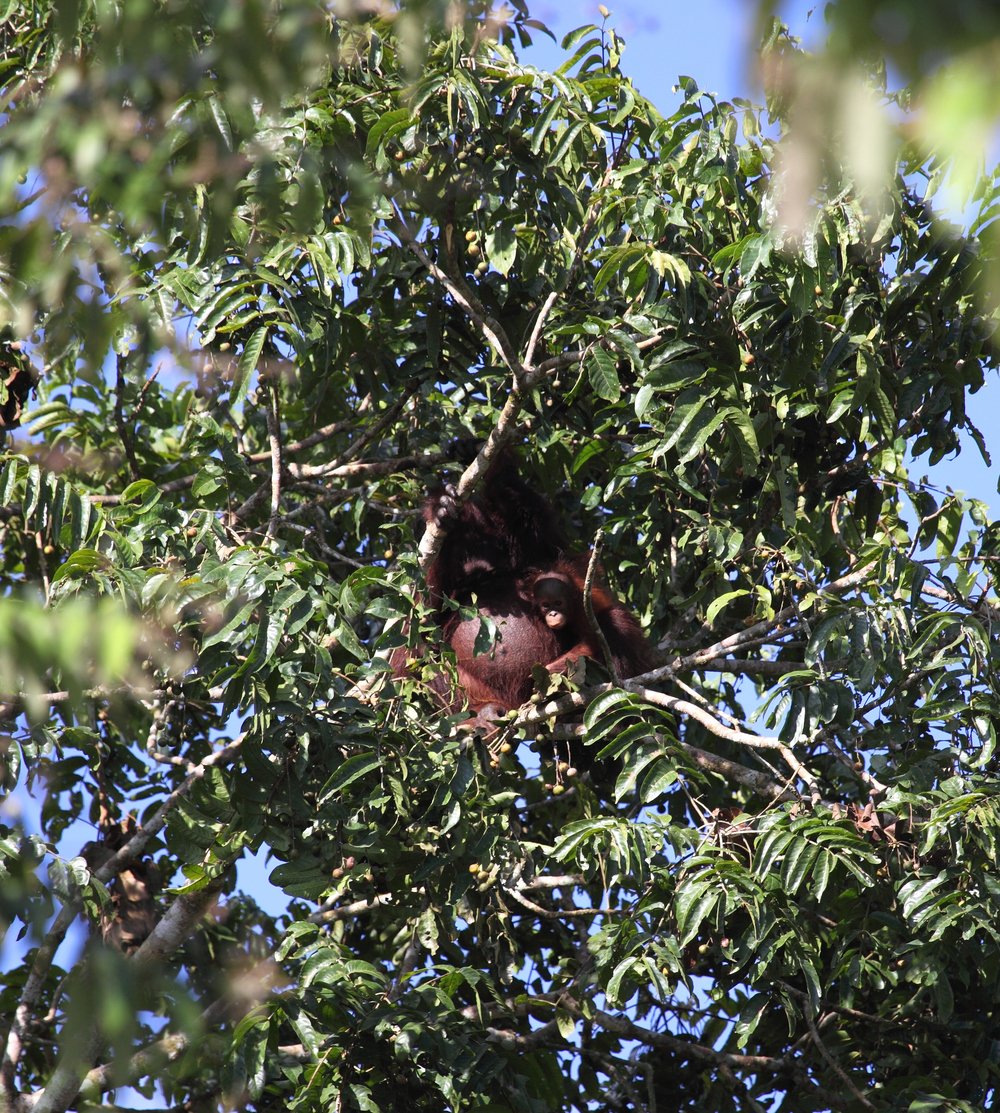
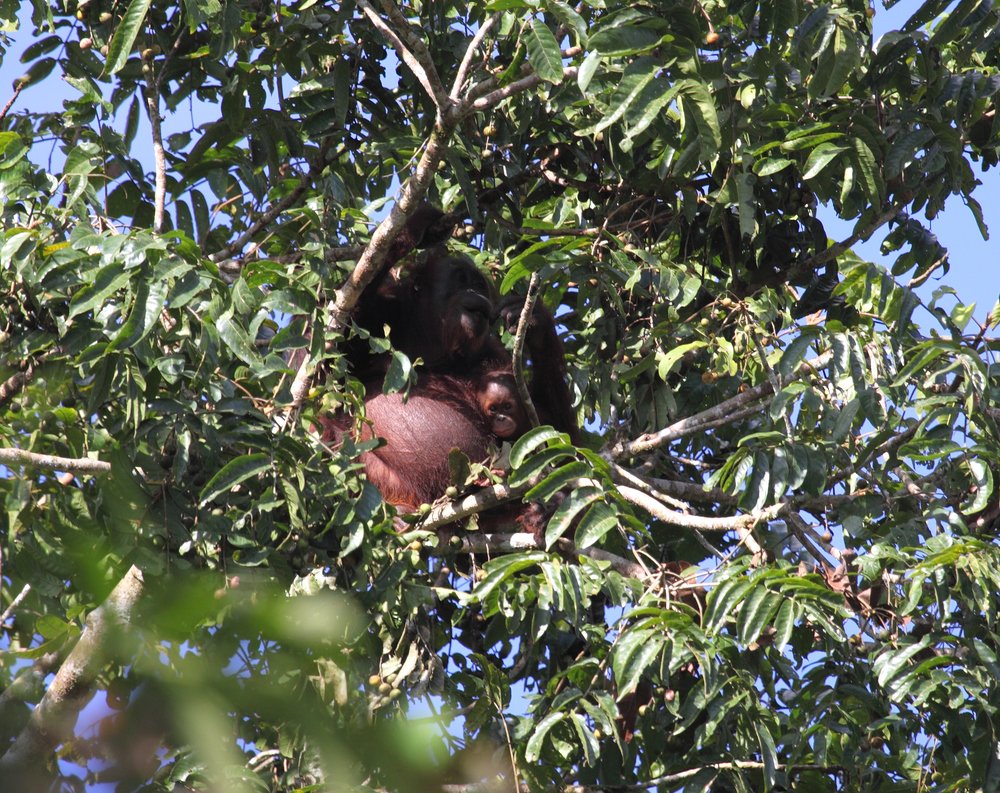
When O’Hanlon and poet James Fenton first set foot on Borneo in 1983 they were intent on travelling to the centre of the island in search of the Sumatran Rhinoceros, Dicerorhinus sumatrensis. By the time I first visited the island in May 2015, they had recently been declared extirpated from the province of Sabah and classified as Critically Endangered with as few as 80 remaining worldwide. But despite Borneo’s vanishing rhino population, not to mention orangutans and Sun Bears that are faring only slightly better, it has retained a magnetic pull for travellers seeking a glimpse of its unique fauna. Birding ecotourism in particular, has supported the development of a string of wildlife lodges and guiding enterprises across Sabah, and interest in the region’s diverse avifauna and other wildlife has never been more intense.
The geography of the place remains elusive to many. Ask people to identify it on a map and most will stab a finger vaguely between the Indonesian Archipelago and Southeast Asia. For such a large landmass, it seems to slip through the cracks of our collective imagination. It exists, almost literally, in parentheses dwarfed by the charisma of neighbouring Indonesia and Malaysia who, since the uneasy resolution of the Indonesian-Malaysian Confrontation 1963-1966, share custodianship of most of the island. The southern three quarters comprise the five provinces of The Republic of Indonesia, collectively known as Kalimantan (in fact the name Kalimantan in Indonesian refers to the entire island of Borneo). The northern quarter is split roughly in half between the two Malaysian states of Sabah in the east and Sarawak in the west, which surrounds the tiny sovereign state of Brunei, which constitutes just 1% of the island’s total land area.
Adding to our murky perception of the place, for many Australians, Borneo may also be prominent in the memory for its role in the Pacific Theatre during World War 2. The name Sandakan, located on the eastern coast of Sabah, is irretrievably infused with infamy as the site of the eponymous death marches. Lest we forget, of the 2,345 allied prisoners forced to march that route from Sandakan to Ranau, only six survived, all Australians, and only because they were the only ones who escaped. This is the first among numerous military associations with the place.
At one point during my visit, a local, realising I was Australian, enquired whether I knew about the Australian who had been killed by an elephant on the island. At this I had to dip my lid. This was a piece of Australian military trivia that I was certain was known only to myself, a few nerdier graduates of RMC Duntroon, and David Horner, author of SAS, Phantoms of the Jungle: A history of the Australian Special Air Service.
“Lance Corporal Paul Denehey”, I said immediately.
“No… Australian girl….” came the puzzled response.
Paul Denehey was charged by a bull elephant during a patrol along the Selimulan River (modern day Kalimantan) on the 2nd of June 1965 while conducting “Claret” operations during Konfrontasi. He died before he could be evacuated, giving him the dubious distinction of being the first Australian SAS fatality on active service. Unknown to me he was not the last Australian killed by an elephant on the island of Borneo. In December 2011, Jenna O’Grady Donley, a 26 year old veterinarian from Sydney, was charged and killed by an elephant on the Tabin Wildlife Reserve of Sabah, in Malaysian Borneo.
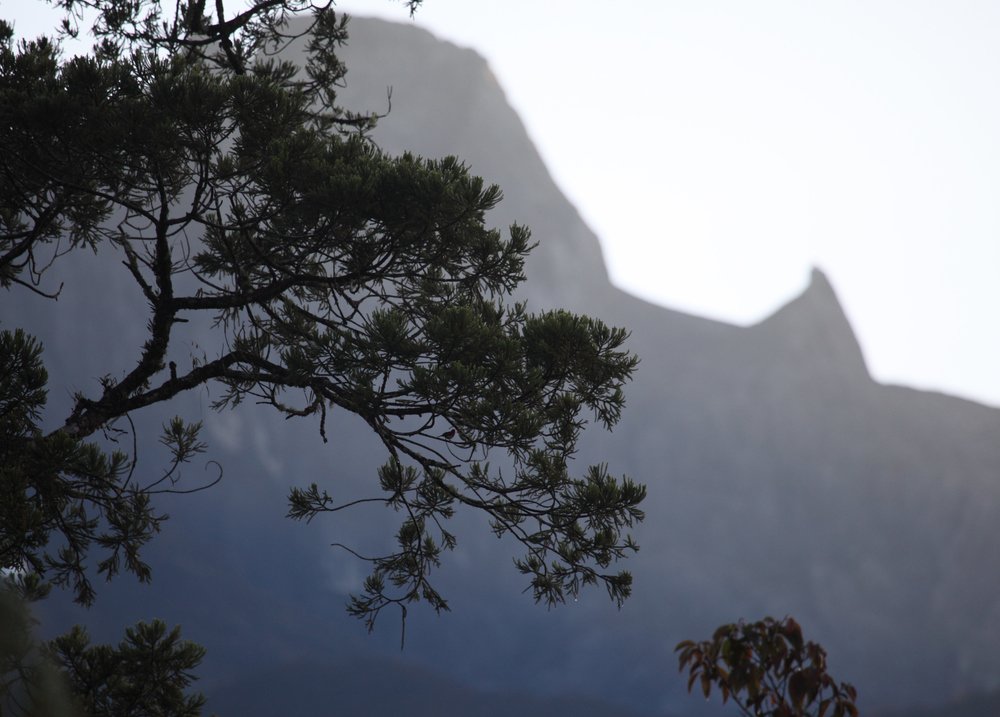
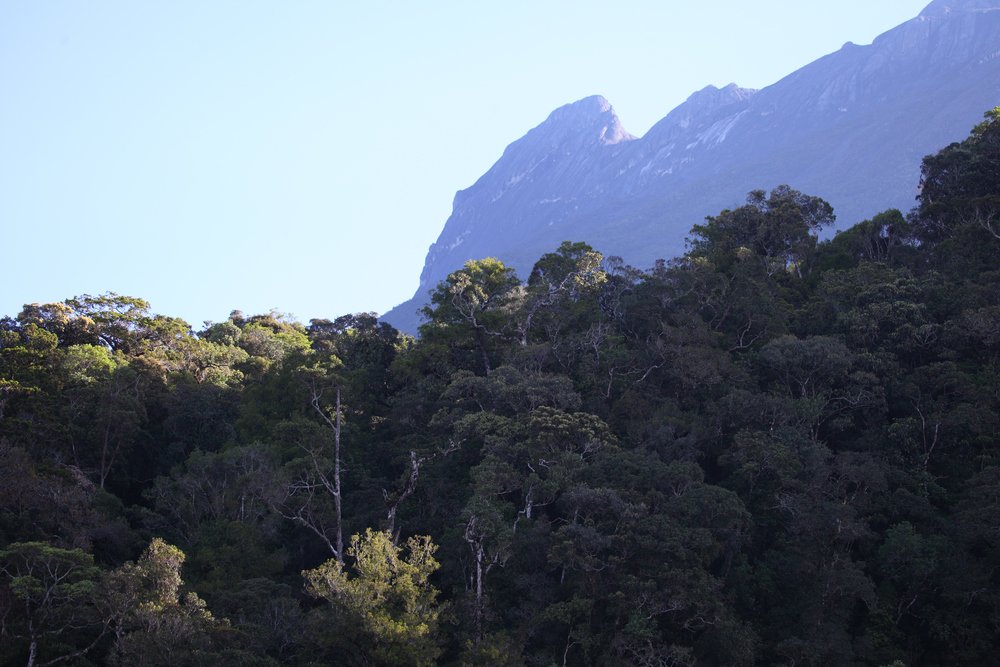
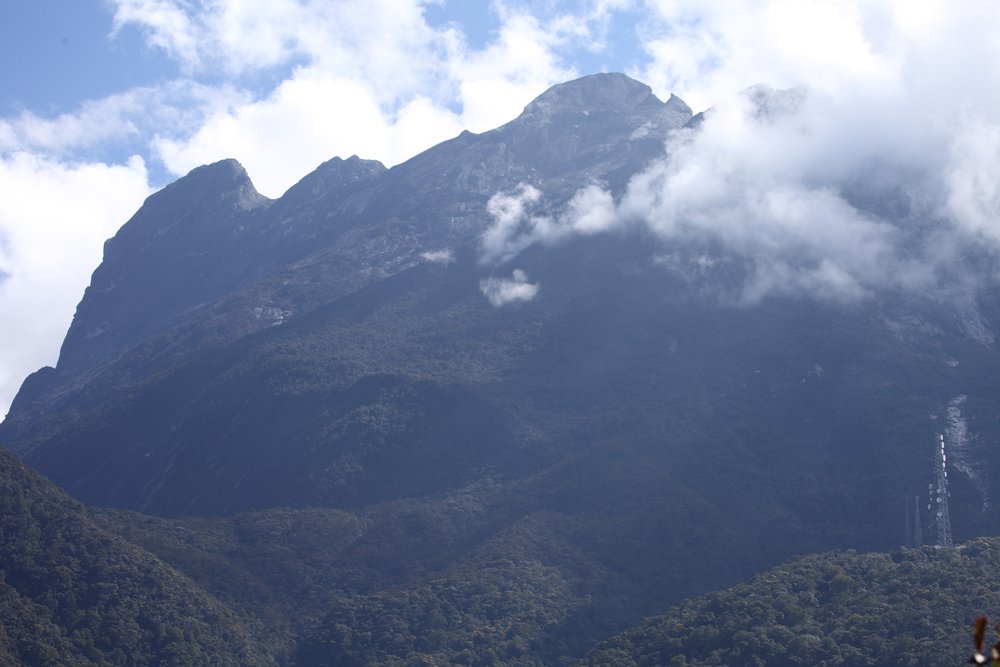
My first visit to Borneo was of only 11 days and I spent all of that in the Malaysian province of Sabah. Often referred to as The Land Below the Winds, an old maritime reference to the fact that the region lies below the typhoon belt, this state takes up the northern end of the island. Flying into the capital city Kota Kinabalu (KK), you get the feeling of a small (pop. ~450,000) but bustling Asian city perched on the edge of a vast forested interior. The Crocker Range rises a short distance inland culminating in the World Heritage-listed Kinabalu Park including Mount Kinabalu at 4,096m above sea level, the highest peak in the Malay Archipelago.
In order to experience as much of the region’s staggering biodiversity as possible, the folks at the Sabah Tourism Board had arranged a busy itinerary. The route would take me across to the east coast to explore the lowland dipterocarp forest, swamps, rivers, oxbow lakes and coastal regions before travelling overland to Kinabalu Park for some higher altitude birding among the misty montane forests on Mount Kinabalu’s slopes.
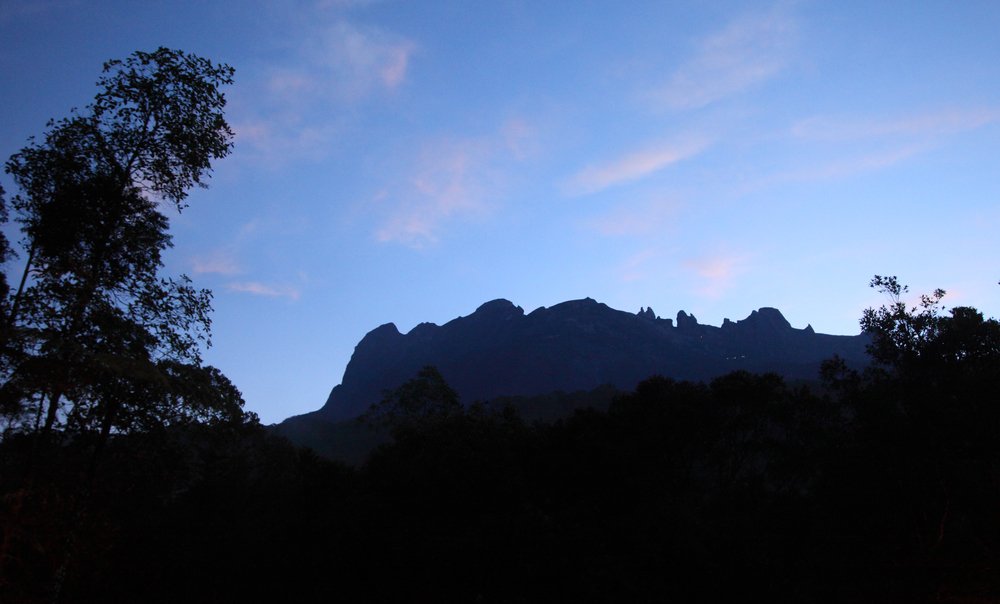
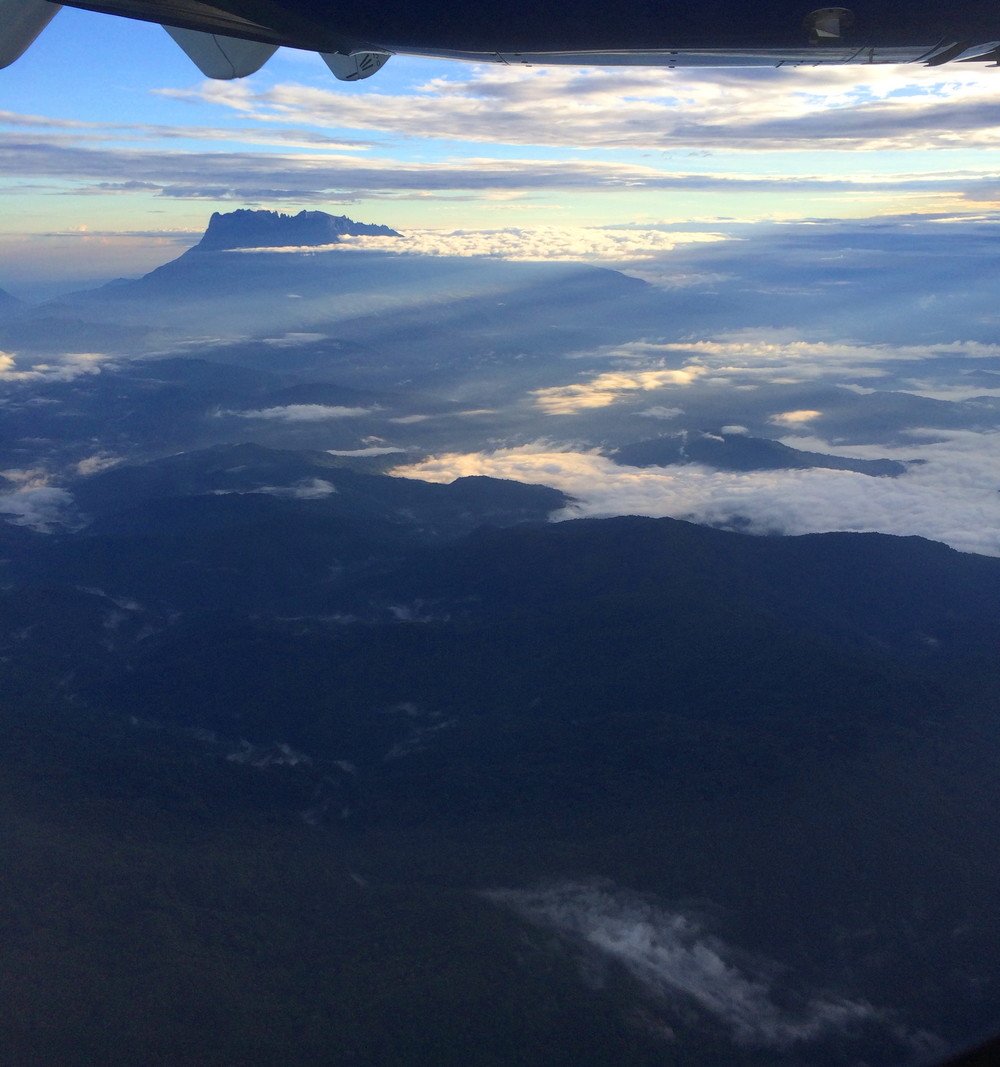
Following an overnight stop in KK, the fun began with a pre-dawn flight across the top of the island to get to Lahad Datu (pop. ~200,000), a port town shipping palm oil, cocoa and rainforest timber. Flying into the sunrise as its first rays hit the misty crags of Mount Kinabalu was as impressive a spectacle as anyone could imagine.
Touching down in Lahad Datu there were the usual airstrip birds along with a few Zebra Doves Geopelia striata, interesting for me as a split with Australia’s Peaceful Dove G. placida, a few years back – the first lifer for the trip.
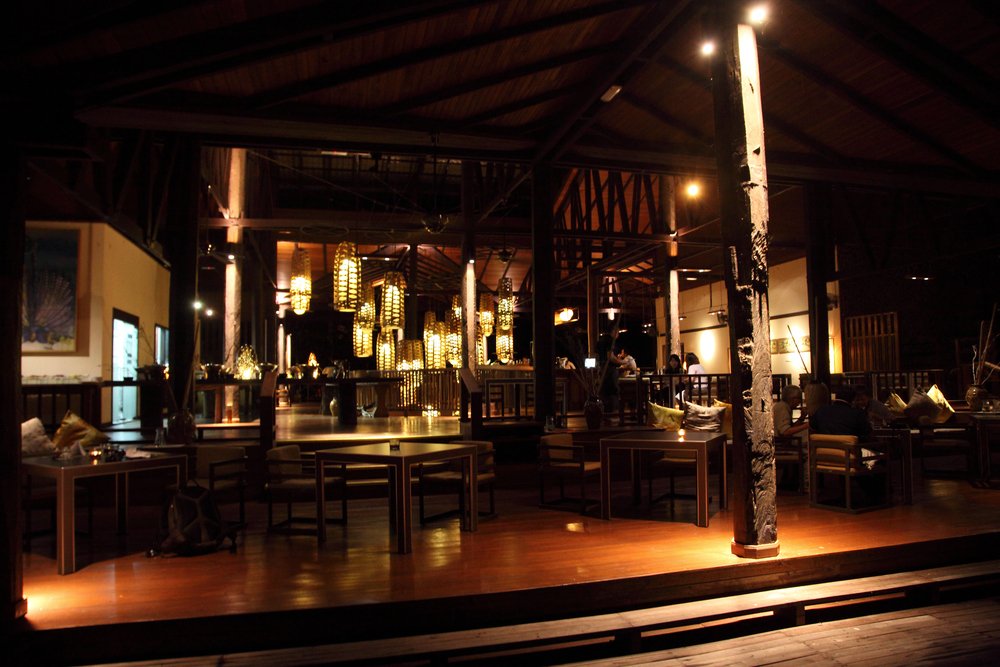
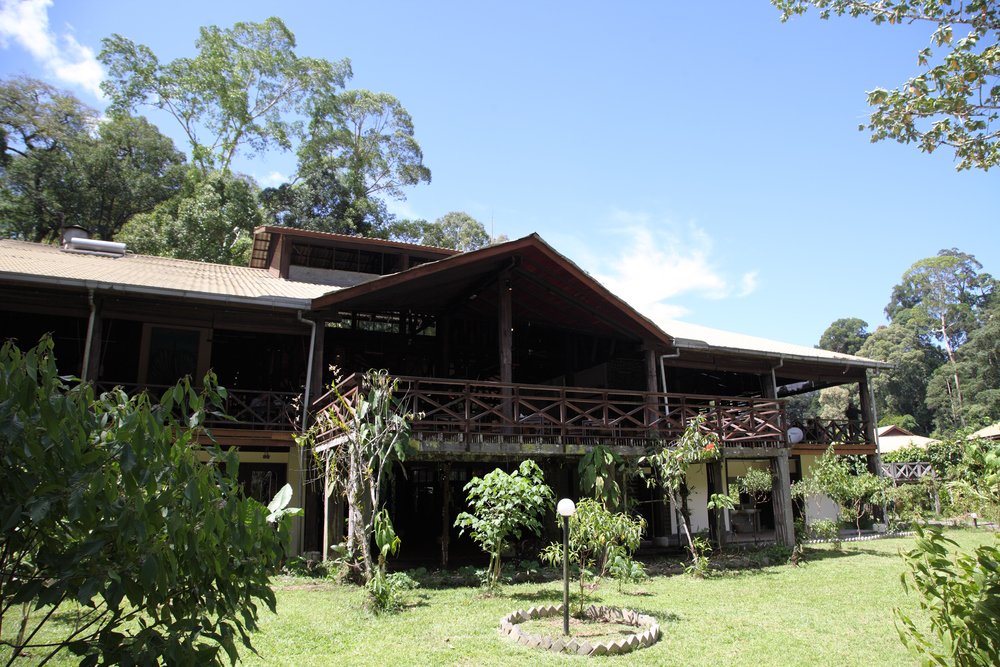
Tabin Wildlife Resort was to be my first stop just 45 kilometres northeast of Lahad Datu. Moppers had stayed here with a friend of hers en route to Birdfair 2014 and had been enthusing about it ever since. The resort is a tourist facility within the massive Tabin Wildlife Reserve, which covers 122,539 ha of lowland dipterocarp forest. It’s probably best known as the last place to have had wild Sumatran Rhinoceros in Sabah. They now have a small captive breeding program but the species is gone from the wild in Sabah. The reserve also has a small population of Bornean Elephant Elephas maximus borneensis, often referred to as Bornean Pygmy Elephant despite the subspecies being no different in size to populations of Asian Elephant on Peninsular Malaysia. Seven of Borneo’s eight primates can be found here and it has a bird list somewhere in excess of 260 species.